

What Is the Difference Between Commercial Gutters and Residential Gutters? Key Design & Performance Differences
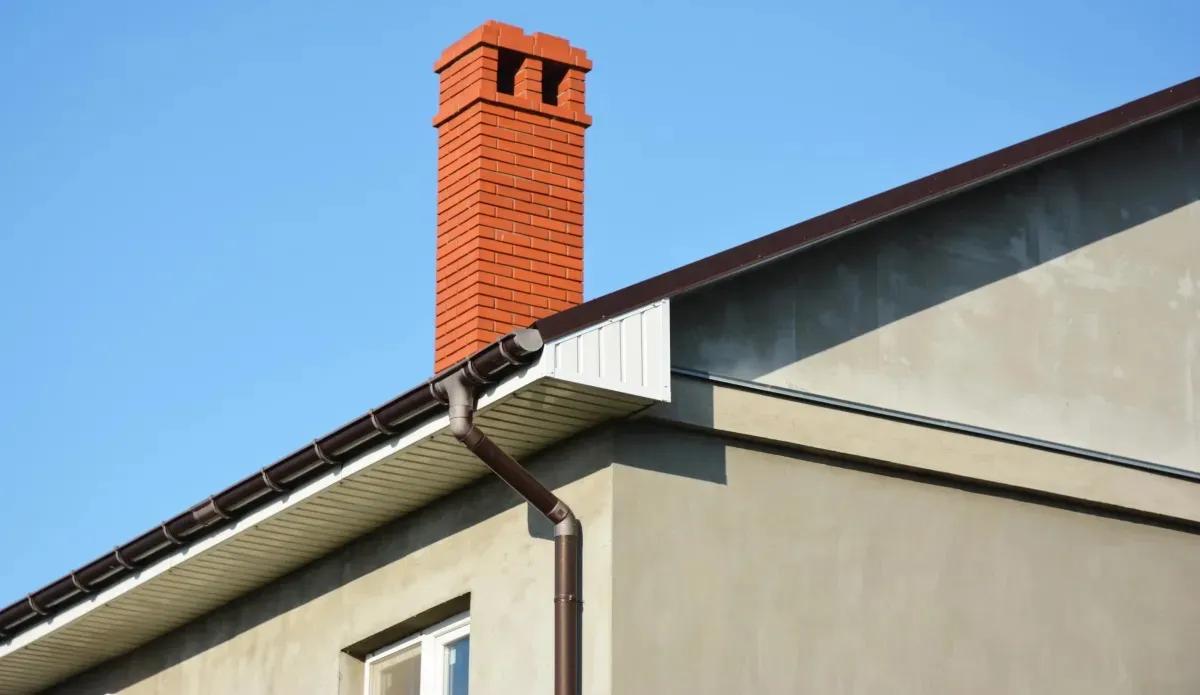
When it comes to protecting a building from water damage, gutters are one of the most critical yet often overlooked components of any structure. Whether you own a single-family home or manage a large commercial property, understanding the difference between commercial gutters and residential gutters particularly for Commercial Gutters in Dallas, TX is essential before making any investment in a new system. The two types of gutter systems are engineered for fundamentally different purposes, and selecting the wrong system for your building type can lead to costly water intrusion, structural damage, and long-term maintenance headaches. This guide breaks down everything you need to know from size and structural design to materials, drainage capacity, and professional installation requirements so you can make a fully informed decision for your property.
Understanding the Core Purpose of Gutters
Before diving into the differences, it helps to understand what gutters are designed to do at their most fundamental level. Gutters collect rainwater from a roof's surface and direct it away from the building's foundation, walls, and landscaping. Without a properly functioning gutter system, water pools near the base of a structure, infiltrates the soil, and can weaken the foundational integrity of a building over time. The National Roofing Contractors Association notes that improper water drainage is among the leading contributors to premature building deterioration. Both commercial and residential gutters serve this core purpose, but the scale, intensity, and complexity of that task vary significantly depending on whether the structure is a home or a business. Knowing which system is right for your property is the first step toward long-term structural protection.
Structural and Size Differences Between Commercial and Residential Gutter Systems
One of the most immediately apparent differences between commercial and residential gutters is their physical size and structural design. Residential gutters are typically available in 4-inch and 5-inch widths, with the 5-inch K-style gutter being the most commonly installed option across single-family homes throughout the country. These standard sizes are generally sufficient for typical roof pitches and the manageable square footage of a residential structure. Commercial buildings, however, often span thousands of square feet of roofline and feature low-slope or flat roof designs that collect far greater volumes of water during a rainfall event.
To meet these demands, commercial gutter systems are installed in significantly larger dimensions commonly 6-inch, 7-inch, or even custom box gutters that can measure 8 inches or wider. Box gutters, which are built directly into the roofline or parapet wall of a commercial building, are a hallmark of commercial gutter design because they integrate seamlessly into the structure rather than hanging beneath the roofline as standard residential gutters do. This integration provides a cleaner aesthetic for commercial properties, while also offering a substantially larger channel for water to flow through. The structural requirements for supporting these larger, heavier systems also demand more robust mounting hardware, additional hangers, and in many cases, reinforced fascia boards that are engineered to hold considerable weight when gutters fill with water, debris, or ice.
Downspout sizing follows the same logic where a residential home may require a 2x3 inch or 3x4 inch downspout, commercial systems often require 4x5 inch downspouts or round downspouts measuring 4 to 6 inches in diameter, placed at calculated intervals to ensure that water exits the system efficiently. Improper downspout sizing on a commercial property is one of the primary causes of overflow, roof ponding, and structural water damage.
Materials Commonly Used for Commercial Gutters and Why They Handle Heavier Water Flow
The materials used in commercial gutter systems reflect the heightened demands that commercial buildings place on their drainage infrastructure. Residential gutters are most commonly fabricated from aluminum or vinyl materials that are lightweight, cost-effective, and sufficient for the drainage volumes of a typical home. While aluminum gutters are an excellent choice for residential applications, they may not offer the strength and longevity required on a large commercial property exposed to high water volumes and the physical stress of heavy snowloads or debris accumulation.
Commercial gutter systems are most frequently fabricated from heavier-gauge aluminum, galvanized steel, copper, or zinc alloys. Heavy-gauge steel offers exceptional strength and resistance to physical impact, making it a popular choice for industrial and warehouse applications where durability is paramount. Copper, while one of the more premium material options, is prized for its extraordinary lifespan often exceeding 100 years when properly maintained and its natural resistance to corrosion without the need for protective coatings. The Copper Development Association recognizes copper as one of the most durable roofing and gutter materials available for both commercial and high-end residential applications.
Zinc alloy gutters are another material common on commercial structures, particularly in European architectural traditions that have made their way into American commercial design. Zinc is self-healing in that small scratches will naturally re-oxidize and seal, making it highly resistant to the corrosion and degradation that steel and aluminum systems can experience over decades of use. Additionally, commercial gutters are typically fabricated as seamless systems on-site, measured and cut to the exact specifications of the building to minimize the number of joints and seams where leaks can develop. Fewer seams translate directly to reduced maintenance calls and a longer service life a critical consideration for property managers responsible for large commercial assets.
Why Commercial Buildings Need Professional Gutter Design and Installation
The complexity of commercial gutter installation goes far beyond simply selecting the right size and material. Commercial gutter systems must be engineered with precise slope calculations, drainage load analysis, and a strategic downspout placement plan that accounts for the building's entire rooftop catchment area. A miscalculation in any one of these variables can result in system failure during a heavy rainfall event leading to overflow, roof saturation, or damage to the building's structural envelope. This is why professional design and installation by an experienced commercial gutter contractor is not optional; it is an absolute necessity.
According to the International Building Code, commercial properties are held to specific standards for roof drainage systems, including minimum drainage capacity requirements based on rainfall intensity data for the local region. Contractors working on commercial gutter systems in Dallas, TX, must account for the area's intense spring storms and the high rainfall volumes that accompany them. A professionally designed commercial system will incorporate overflow scuppers, secondary drainage paths, and gutter guards that are appropriately rated for the debris loads commonly seen in the Dallas-Fort Worth region.
Beyond the technical design elements, commercial gutter installation demands skilled tradespeople working at significant heights using scaffolding, aerial lifts, and safety equipment that goes well beyond the ladders sufficient for residential work. The liability implications of improper installation on a commercial property where water intrusion can damage inventory, equipment, and tenant property make the expertise and experience of a qualified installer all the more critical. Partnering with a contractor who has demonstrated experience in commercial gutter systems ensures that the installation meets both building code requirements and the practical performance demands of the property.
How Drainage Capacity Differs Between the Two Systems
Drainage capacity is where the difference between commercial and residential gutter systems becomes most critical. A standard residential gutter system is typically designed to handle rainfall intensities of around 1 to 2 inches per hour sufficient for most weather events a typical home will experience. The relatively small, sloped roof of a single-family home also means that the catchment area feeding into the gutter system is limited and manageable.
Commercial roofs, by contrast, are often flat or very low-slope designs that cover enormous surface areas. During a significant storm, the volume of water cascading off a 50,000-square-foot commercial roof can be extraordinary easily overwhelming a system that has not been designed with adequate capacity. Engineers and experienced gutter contractors calculate drainage requirements using rainfall intensity data from local meteorological records, the total roof area, and the slope of the roof surface. These calculations inform decisions about gutter width, downspout quantity and placement, and whether additional drainage infrastructure such as internal drains or scuppers is required.
Inadequate drainage capacity on a commercial property is not merely an inconvenience it is a liability. Overflow water can saturate roofing materials, accelerate membrane deterioration, create slip hazards on adjacent walkways, and cause significant water damage to the building's interior. Investing in a properly sized and professionally installed commercial gutter system is, in the long run, a far more economical decision than managing the ongoing repair costs that result from system undersizing.
Maintenance Considerations for Commercial vs. Residential Gutters
Maintenance requirements also differ considerably between the two system types. Residential gutters typically require cleaning twice a year once in the spring and once in the fall to remove the leaf litter, seed pods, and debris that accumulate naturally over the seasons. Homeowners can sometimes perform this maintenance themselves or hire a gutter cleaning service for a straightforward annual inspection and cleaning. The American Institute of Architects recommends regular gutter inspections as part of a broader home maintenance routine to prevent water damage.
Commercial gutter systems, given their size, complexity, and the consequences of failure, require a more rigorous and professional maintenance regimen. Property managers should schedule professional inspections and cleanings at least twice per year, and more frequently for properties surrounded by heavy tree coverage or located in regions prone to intense storm seasons. Large commercial systems may also require periodic joint re-sealing, bracket tightening, and downspout flushing to ensure that every component of the drainage chain is functioning properly. Many commercial gutter contractors offer ongoing maintenance agreements that provide scheduled service visits a proactive investment that protects the building and keeps maintenance costs predictable over time.
Conclusion
Understanding the difference between commercial gutters and residential gutters is about far more than selecting a larger version of the same product. These are fundamentally different systems, engineered for different structural demands, water volumes, and performance standards. Commercial buildings require larger, more robust gutter systems fabricated from durable materials, installed with precision engineering, and maintained by qualified professionals who understand the unique challenges of large-scale drainage management. Residential gutters, while important to the health of any home, serve a comparatively simpler purpose on a much smaller scale.
For property owners and managers in the Dallas-Fort Worth area, partnering with an experienced commercial gutter specialist is the most reliable path to a system that performs as designed through decades of Texas weather. A.M.S. Gutters has served the Dallas community since 1994, providing expert commercial and residential gutter solutions built around the unique demands of each property. To find their location and verify their local service area, you can also view their Google Maps listing. Whether you are managing a warehouse, office complex, retail center, or single-family home, matching the right gutter system to your building type is one of the most important investments you can make in the long-term health of your property.
Frequently Asked Questions
What is the main difference between commercial gutters and residential gutters?
The primary difference lies in size, materials, and drainage capacity. Commercial gutters are larger, fabricated from heavier-gauge materials like steel or copper, and engineered to manage significantly greater water volumes generated by large-footprint commercial roofs. Residential gutters are smaller systems designed to handle the more manageable drainage needs of a single-family home. The installation complexity and professional design requirements are also far greater for commercial systems than for residential ones.
Can residential gutters be installed on a commercial building?
Residential gutters are not appropriate for most commercial applications. The standard 4-inch and 5-inch residential gutter profiles lack the capacity to manage the water volumes generated by large commercial roofs, and their lighter construction is not suitable for the structural loads and weather exposure typical of commercial properties. Installing undersized residential gutters on a commercial building creates a high risk of overflow, structural water damage, and costly ongoing maintenance problems.
What materials are most commonly used for commercial gutter systems?
Commercial gutters are most often fabricated from heavy-gauge aluminum, galvanized steel, copper, and zinc alloys. Each material offers a distinct balance of durability, longevity, and weather resistance suited to commercial applications. Copper and zinc systems are particularly valued for their extraordinary service life and minimal maintenance requirements, while galvanized steel offers excellent strength for industrial and high-load applications.
Why is professional installation important for commercial gutter systems?
Commercial gutter installation involves engineering calculations for drainage capacity, slope, downspout placement, and compliance with local building codes. A professional contractor brings the expertise necessary to design a system that performs correctly under the specific demands of a commercial property. Improper installation can result in overflow, roof damage, water intrusion into the building, and significant liability exposure for the property owner or manager.
How often should commercial gutters be inspected and cleaned?
Commercial gutters should be professionally inspected and cleaned at minimum twice per year typically in the spring and fall. Properties surrounded by trees or located in regions with intense storm seasons, such as Dallas, TX, may benefit from more frequent service visits. Many commercial gutter contractors offer maintenance agreements that provide scheduled cleaning and inspection services, helping property managers keep their drainage systems in optimal condition year-round.