

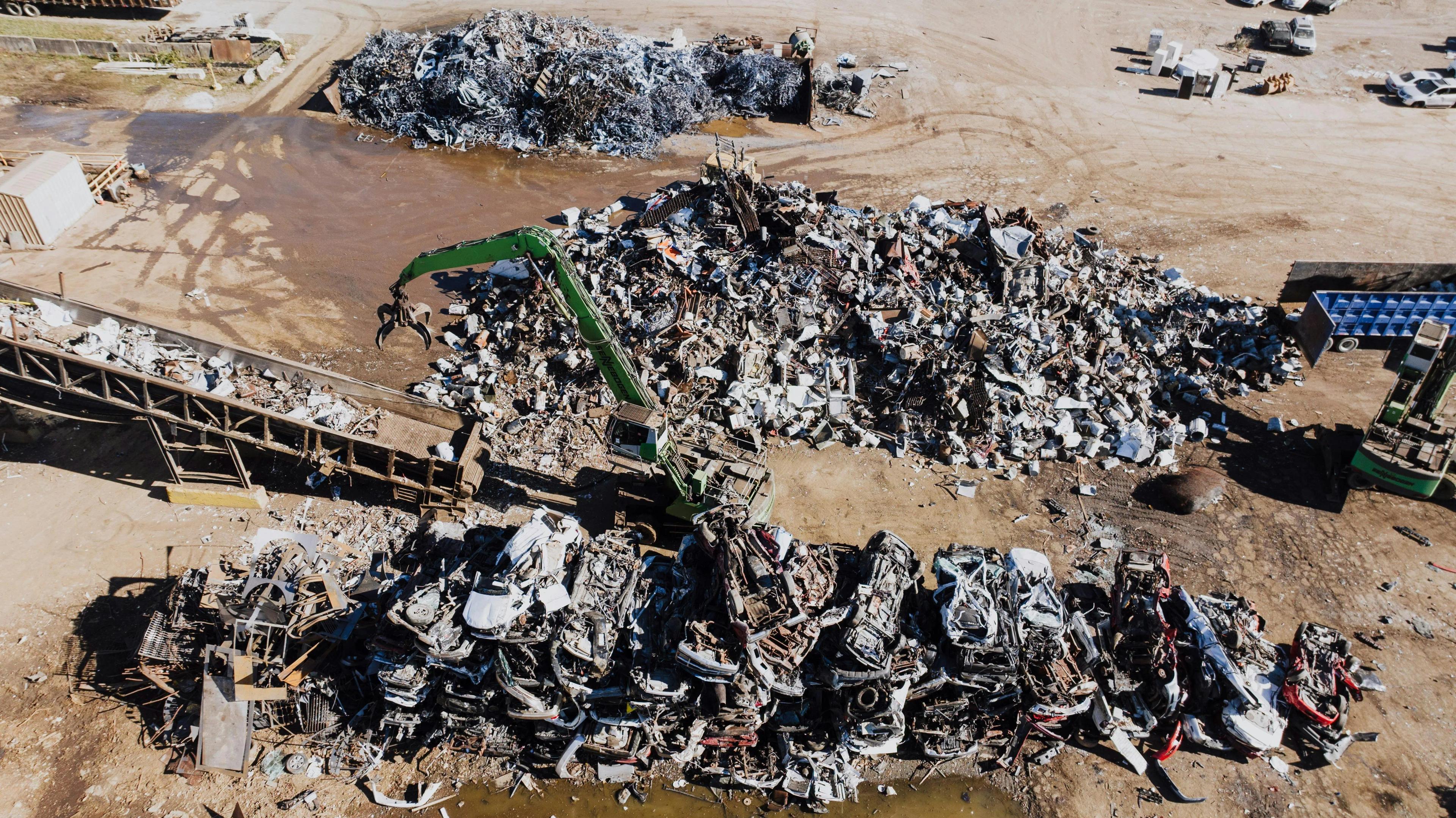
Ferrous vs. Non-Ferrous Metals Recycling
Most people toss scrap metal into one pile and call it a day. That single mistake can cost real money. Understanding ferrous vs non-ferrous metals recycling in Dayton, OH separates informed sellers from those who settle for bulk weight prices. One category brings pennies per pound. The other can pay dollars. The difference starts with a simple magnet test and ends with a much bigger check at the scale.
If you have old pipes, appliances, or leftover jobsite material sitting around, knowing what you can and cannot recycle is the first step. The second step is learning which metals belong in which category, and why that matters for your payout.
This guide breaks down both metal types, shows you how to identify them quickly, and explains what drives the price gap between ferrous and non-ferrous scrap.
What Makes a Metal Ferrous?
Ferrous metals contain iron. That iron content gives them two defining traits: magnetism and a tendency to rust. Hold a magnet to a piece of scrap. If it sticks, you are holding a ferrous metal.
Steel is the most common ferrous metal you will encounter. It shows up in appliances, vehicles, structural beams, rebar, and sheet metal. Cast iron is another example, found in older pipes, patio furniture, and engine blocks. Wrought iron appears in railings and gates. All of these contain iron as their base element.
Ferrous metals are strong. Builders use them for skyscrapers, bridges, and rail lines because of their load-bearing capacity. The American Iron and Steel Institute reports that construction accounts for roughly 28% of all steel shipments in the United States. That demand keeps ferrous scrap in constant circulation.
The downside is corrosion. Iron reacts with oxygen and moisture to form rust. This weakens the metal over time and lowers its grade at the scrap yard. Painted or coated ferrous metals resist rust longer, but the iron underneath is still vulnerable.
Common Ferrous Items Found at Home and on Jobsites
Appliances: Washers, dryers, stoves, refrigerators, and dishwashers all contain steel housings and components.
Vehicles: Car bodies, truck frames, and heavy equipment are primarily steel and cast iron.
Construction scrap: Rebar, I-beams, sheet metal, steel roofing panels, and ductwork.
Yard items: Lawnmowers, steel wheelbarrows, and cast iron fire pits.
What Makes a Metal Non-Ferrous?
Non-ferrous metals do not contain iron. They are not magnetic. They resist corrosion far better than steel or cast iron, which makes them valuable for outdoor and electrical applications.
Copper, aluminum, brass, bronze, lead, zinc, and stainless steel fall into this category. Each one has unique properties that drive demand in specific industries. Copper conducts electricity better than almost any other element. Aluminum is lightweight and strong. Brass resists bacterial growth and wears slowly, making it ideal for plumbing fittings.
The U.S. Geological Survey tracks metal recycling data at the federal level. Their reports confirm that non-ferrous metals hold a smaller share of total recycling volume but a larger share of total recycling value. The reason is straightforward: these metals are harder to mine, more energy-intensive to produce from raw ore, and carry properties that make them difficult to substitute.
Recycling aluminum, for example, uses roughly 95% less energy than producing it from bauxite ore, according to the U.S. Department of Energy. Copper recycling cuts energy use by about 85%. These savings create strong incentive for manufacturers to buy recycled non-ferrous material, which supports higher scrap prices year-round.
Common Non-Ferrous Items Found at Home and on Jobsites
Copper: Plumbing pipes, electrical wiring, copper tubing, and old radiators.
Aluminum: Soda cans, window frames, siding, gutters, pots and pans, and aluminum wheels.
Brass: Faucets, door handles, plumbing valves, keys, and decorative lamps.
Lead: Old wheel weights, certain batteries, and some older plumbing solder.
Stainless steel: Kitchen sinks, appliances, and restaurant equipment.
How to Tell Ferrous and Non-Ferrous Metals Apart
You do not need expensive equipment. Three quick tests will sort most scrap accurately.
Magnet test. This is the fastest method. Grab any magnet from your fridge or toolbox. If the metal attracts the magnet, it is ferrous. If the magnet slides off, you have a non-ferrous metal. Stainless steel is an exception. Some grades are slightly magnetic, but yards still classify it as non-ferrous due to its chromium and nickel content.
Color check. Non-ferrous metals tend to show distinctive colors. Copper is reddish-brown. Brass is yellow-gold. Aluminum is silver-white and lightweight. Ferrous metals like steel and iron are usually gray or dark in appearance, especially once surface rust develops.
Weight comparison. Pick up two similar-sized pieces of scrap. Ferrous metals feel heavier. Aluminum in particular feels almost too light for its size. Copper is heavier than aluminum but still lighter than steel.
Test | Ferrous Result | Non-Ferrous Result |
|---|---|---|
Magnet | Sticks | Does not stick |
Color | Gray, dark, often rusty | Reddish, yellow, silver, or bright |
Weight | Heavy for its size | Lighter for its size |
Rust present | Common | Rare |
Why Non-Ferrous Metals Pay More Per Pound
The price gap between these two categories is significant. Ferrous scrap like steel typically sells for around $100 to $175 per ton. That works out to a few cents per pound. Non-ferrous metals operate on a per-pound pricing model, and the numbers tell a different story.
Copper currently trades between $2.40 and $3.70 per pound at most scrap yards, depending on grade and cleanliness. Bare bright copper wire, which is stripped of all insulation and coating, brings the top price. Brass ranges from $1.25 to $2.20 per pound. Clean aluminum fetches between $0.55 and $0.82 per pound, with aluminum wheels and 6063 extrusions at the higher end.
Several factors drive this price difference.
Supply scarcity. Iron ore is abundant. The earth's crust contains far more iron than copper, zinc, or tin. Lower natural supply pushes non-ferrous prices higher.
Processing cost. Extracting non-ferrous metals from raw ore requires more energy and more complex refining. Manufacturers save money by purchasing recycled material instead.
Unique properties. Copper's electrical conductivity has no practical equal. Aluminum's strength-to-weight ratio keeps it critical in aerospace and automotive design. These properties create steady industrial demand that sustains higher prices.
Infinite recyclability. Non-ferrous metals like aluminum and copper can be recycled again and again without losing their core properties. The Aluminum Association confirms that recycled aluminum retains the same quality as virgin material. This makes recycled non-ferrous stock a direct substitute for newly mined metal.
The growing electric vehicle sector adds another layer. EV production requires large amounts of copper for wiring and aluminum for body panels, according to industry reporting from the International Energy Agency. That demand continues to support non-ferrous scrap prices.
How to Get the Best Price for Your Scrap
Sorting your metals before you visit the yard is the single best way to increase your payout. Mixed loads get priced at the lowest-value metal in the pile. A few minutes of separation at home can mean a noticeably larger check.
Separate ferrous from non-ferrous first. Use the magnet test. Put all magnetic metals in one container and everything else in another.
Sort non-ferrous metals by type. Keep copper separate from aluminum, and brass separate from everything else. The cleaner and more consistent each pile, the better the price.
Strip insulation from copper wire. Insulated copper wire pays less than bare bright copper. If you have enough volume, stripping the insulation can double your per-pound return.
Remove attachments. Steel bolts on an aluminum frame lower the grade. Plastic fittings on copper pipe do the same. Clean material grades higher and pays more.
Understand your local market. Scrap prices shift with global commodity markets. Checking current pricing before you sell helps you choose the right time to bring in your load. The Dayton Xenia Recycling scrapyard in Xenia, OH updates pricing regularly based on current market conditions.
The Environmental Case for Metal Recycling
Recycling metals, both ferrous and non-ferrous, conserves natural resources and reduces energy consumption. The U.S. Geological Survey reports that recycling one ton of steel conserves 1.1 tons of iron ore, 0.6 tons of coking coal, and 0.05 tons of limestone. Steel recycling alone saves enough energy each year to power 18 million homes, based on USGS estimates for automobile steel recovery.
Non-ferrous recycling carries even bigger per-unit energy savings. Recycling iron and steel saves about 72% of the energy required for virgin production. Aluminum recycling saves roughly 95%. Every pound of scrap metal that stays out of a landfill offsets mining, refining, and transportation emissions.
Conclusion
The difference between ferrous and non-ferrous metals comes down to iron content, magnetic properties, corrosion resistance, and price. Ferrous metals like steel and cast iron bring value through sheer volume. Non-ferrous metals like copper, brass, and aluminum bring value through higher per-pound pricing.
Knowing which pile your scrap belongs in is the first step toward earning what it is actually worth. A magnet, a quick color check, and basic sorting can turn a random heap of metal into organized, higher-paying loads. Whether you are cleaning out a garage, wrapping up a renovation, or managing ongoing jobsite waste, taking a few extra minutes to sort pays off every time.
Frequently Asked Questions
What is the easiest way to tell ferrous metal from non-ferrous metal?
Use a magnet. Ferrous metals contain iron and attract magnets. Non-ferrous metals do not contain iron and will not stick to a magnet. This test works on almost every common scrap metal you will find at home or on a jobsite.
Why is copper worth so much more than steel?
Copper is far less abundant than iron in the earth's crust. It also has electrical conductivity that no other affordable metal can match. Strong demand from electrical, construction, and EV manufacturing sectors keeps copper prices high relative to steel.
Can I recycle stainless steel as non-ferrous metal?
Yes. Most scrap yards classify stainless steel as non-ferrous because of its chromium and nickel content, even though some grades are weakly magnetic. Stainless steel pays more per pound than regular carbon steel.
Does cleaning my scrap metal before recycling increase the price?
It can. Removing plastic, rubber, insulation, and other non-metal attachments raises the grade of your material. Higher-grade material receives a better per-pound price. Stripping insulation from copper wire, for example, can significantly increase your payout.
What household items contain the most valuable scrap metal?
Copper plumbing pipes, copper electrical wiring, brass faucets and valves, and aluminum wheels tend to carry the highest per-pound value among typical household scrap. Old appliances like washers and dryers also contain recyclable steel, though at lower per-pound rates.