

How Can Cross Docking Reduce Storage Costs and Speed Up Your Supply Chain Operations
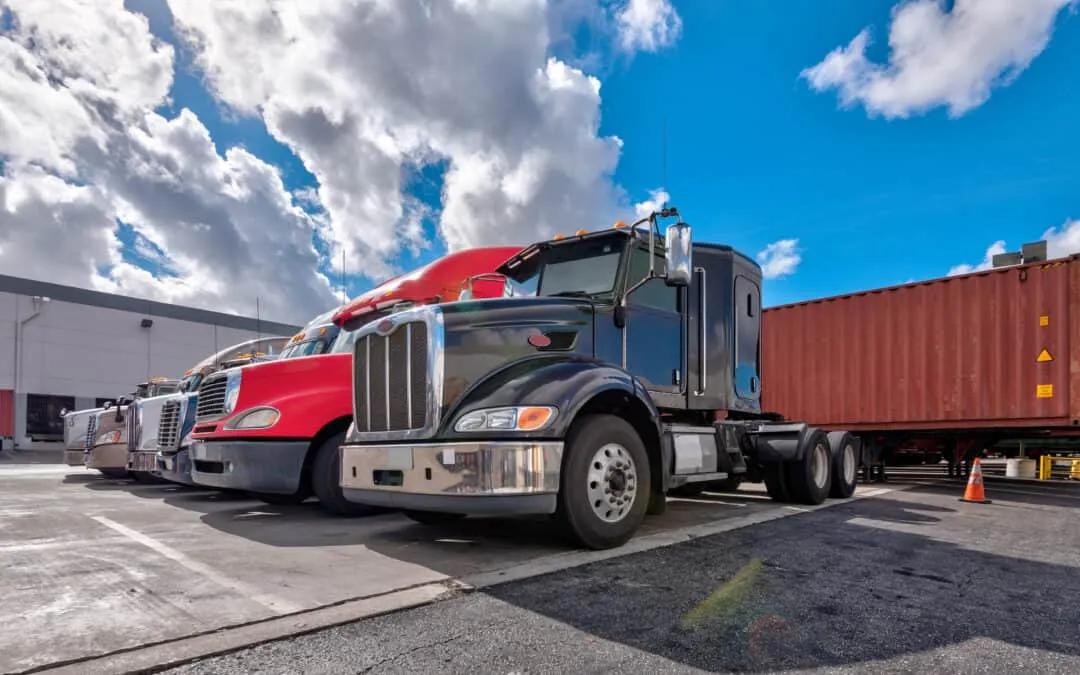
Supply chains are under more pressure than ever before. Business owners and logistics managers are constantly searching for smarter ways to move products faster, cut unnecessary overhead, and deliver exceptional service to their customers. One strategy that continues to prove its worth in modern logistics is cross docking services in Cincinnati, a streamlined approach that eliminates the need for long-term warehousing by transferring goods directly from inbound to outbound transportation. When implemented correctly, cross docking can dramatically reduce storage costs, minimize handling time, and compress the entire order fulfillment cycle. Understanding how this works and when to apply it can give your business a significant competitive advantage in today's demanding marketplace.
What Is Cross Docking and How Does It Work in Logistics
Cross docking is a logistics practice where products arriving at a distribution facility from a supplier or manufacturer are immediately sorted and transferred to outbound trucks or carriers, with little to no time spent in storage. The goods flow through the facility rather than sitting in a warehouse waiting to be picked, packed, or stored. This process fundamentally changes how supply chains operate by treating the distribution center as a transfer point rather than a storage hub.
The typical cross docking process begins with inbound shipments arriving at one side of a terminal or facility. Workers then unload the cargo, sort it based on destination or final customer, and load it directly onto outbound vehicles on the opposite side of the dock. This entire process can be completed within hours, sometimes even faster for pre-sorted shipments. According to the Council of Supply Chain Management Professionals, supply chain efficiency improvements like cross docking can meaningfully reduce total landed costs for businesses across a wide range of industries. The key to making it work is precise coordination between inbound carriers, facility operations, and outbound transportation.
Types of Cross Docking Used in Supply Chain Management
Not all cross docking operations look the same. There are several distinct types, each suited to different supply chain needs and product characteristics. Understanding which type aligns with your business model is an important step in determining whether cross docking is the right fit for your operations.
Pre-distribution cross docking involves goods being sorted and labeled by the supplier before they even arrive at the facility. This allows for even faster transfer since the receiving team simply redirects shipments to the correct outbound lanes without additional sorting work. Post-distribution cross docking, by contrast, holds goods briefly at the facility while demand data determines where they should be sent next, making it more suitable for businesses with fluctuating or unpredictable distribution needs.
Consolidation cross docking brings together smaller shipments from multiple suppliers into one larger outbound load, which can significantly reduce per-unit transportation costs. This approach is particularly valuable for retailers or distributors sourcing products from several vendors who need their goods delivered to a single location or regional hub. Deconsolidation, on the other hand, breaks down large inbound shipments into smaller loads for delivery to multiple end destinations, which is common in retail distribution and e-commerce fulfillment. Each of these types offers distinct advantages depending on your product mix, supplier relationships, and customer delivery expectations.
Cost Savings With Cross Docking and Its Impact on Delivery Speed
One of the most compelling reasons businesses adopt cross docking is the direct impact it has on operational costs. Warehousing is expensive. The combination of facility lease or ownership costs, utilities, labor, insurance, and inventory management systems adds up quickly, especially for businesses moving high volumes of product. By dramatically reducing the time goods spend in a storage facility, cross docking slashes these overhead expenses in a meaningful way.
Labor costs are also significantly reduced with cross docking. Traditional warehousing requires workers to receive inventory, stock shelves or racking, then pick, pack, and stage orders before they leave the facility. Cross docking cuts out most of those intermediate steps, meaning fewer man-hours are required to move the same volume of product. According to Inbound Logistics, companies that adopt cross docking as part of a broader lean logistics strategy often see measurable reductions in total handling costs per unit, improving both their margins and their service levels simultaneously.
When Cross Docking Is Most Effective for Your Business
Cross docking is not a universal solution, and it is important to recognize the scenarios where it delivers the greatest return. Businesses dealing in perishable goods such as food and beverages, fresh produce, or pharmaceuticals benefit enormously because their products must reach end destinations quickly to maintain quality and comply with regulatory standards. The faster these goods move through the supply chain, the less spoilage occurs and the more consistent the customer experience becomes.
Cross docking is most effective when shipment volumes are large enough to justify the infrastructure and coordination involved, when products have stable demand patterns, and when supplier reliability is high. If inbound shipments frequently arrive late, in incorrect quantities, or improperly labeled, the entire cross docking process can break down quickly. Ray Hamilton Company has spent well over a century helping businesses in the region evaluate whether cross docking is the right strategic fit and how to structure their operations for maximum efficiency when it is.
Challenges in Cross Docking and Setup Requirements
While the benefits are substantial, cross docking comes with real operational challenges that should not be overlooked. The most fundamental requirement is precision timing. Inbound and outbound shipments must be carefully synchronized so that goods arriving at the facility can be transferred immediately without waiting for trucks that have not yet arrived or holding finished loads for delayed outbound carriers.
Infrastructure demands are also significant. A proper cross docking facility needs adequate dock doors to handle simultaneous inbound and outbound activity, efficient floor layouts that allow for smooth product flow, and robust technology systems that provide real-time visibility into what is arriving, where it needs to go, and when outbound vehicles are scheduled to depart.
Supplier and carrier relationships must also be strong and reliable. Cross docking depends on everyone in the supply chain executing their role on time and according to agreed standards. If a supplier ships incorrectly labeled or improperly palletized goods, the sorting and transfer process slows down considerably.
Best Practices for Implementing Cross Docking Successfully
For businesses ready to move forward with cross docking, a thoughtful implementation plan is essential. Start with a thorough assessment of your current supply chain flows, identifying which product categories and supplier relationships are well-suited to the cross docking model. Not every SKU or supplier needs to go through this process, and selectively applying cross docking where it makes the most sense will yield better results than attempting a blanket rollout across your entire operation.
Invest in the right technology before launching. A robust warehouse management system with real-time tracking capabilities, integration with carrier and supplier systems, and the ability to dynamically assign dock doors and outbound lanes will dramatically improve your cross docking performance. Businesses that try to manage cross docking operations manually or with outdated systems quickly find that the complexity exceeds what they can handle without proper tools.
Conclusion
Cross docking offers a compelling path forward for businesses that want to reduce warehousing costs, accelerate product movement, and build a more agile and responsive supply chain. By transferring goods directly from inbound to outbound transportation with minimal or no storage time, companies can strip unnecessary complexity and expense from their logistics operations while simultaneously improving the speed and accuracy of their deliveries. The key to success lies in careful planning, the right infrastructure, strong supplier and carrier relationships, and a commitment to ongoing performance management. Whether you are new to the concept or looking to refine an existing program, cross docking represents one of the most powerful tools available to logistics-minded business leaders today.
Frequently Asked Questions
What is the main difference between cross docking and traditional warehousing?
Traditional warehousing involves receiving inventory, storing it for an extended period, and then fulfilling orders when they are placed. Cross docking eliminates the storage phase almost entirely by transferring goods directly from inbound trucks to outbound carriers within hours of arrival. This fundamental difference in how goods flow through a facility results in lower storage costs, faster delivery times, and reduced handling compared to conventional warehouse models.
What types of businesses benefit most from cross docking services?
Businesses dealing in perishable goods, high-volume retail distribution, fast-moving consumer products, and time-sensitive shipments tend to benefit most from cross docking. Companies that have predictable, consistent order flows and reliable supplier relationships are particularly well-positioned to take advantage of the speed and cost efficiencies that cross docking provides. E-commerce operations with tight delivery expectations also find cross docking to be a strong fit for their fulfillment model.
How does cross docking reduce storage costs specifically?
Cross docking reduces storage costs by minimizing or eliminating the need to hold inventory in a warehouse. When goods flow directly from inbound to outbound transportation, businesses avoid paying for warehouse space, racking, utilities, and the labor required to receive, store, and later retrieve those products. Over time, these savings can be substantial, especially for high-volume operations where the cumulative cost of traditional warehousing represents a significant portion of total logistics spend.
What are the biggest challenges businesses face when implementing cross docking?
The most common challenges include the need for precise timing and coordination between inbound and outbound shipments, the requirement for adequate facility infrastructure with sufficient dock capacity and efficient floor layouts, and the dependence on reliable supplier and carrier performance. Technology gaps are also a frequent obstacle, as effective cross docking requires real-time visibility and strong systems integration to function smoothly. Businesses that invest in addressing these challenges before launching their cross docking program tend to achieve much better outcomes.