

What Is a Scrap Metal Broker? Know When Your Business Needs One for Better Returns
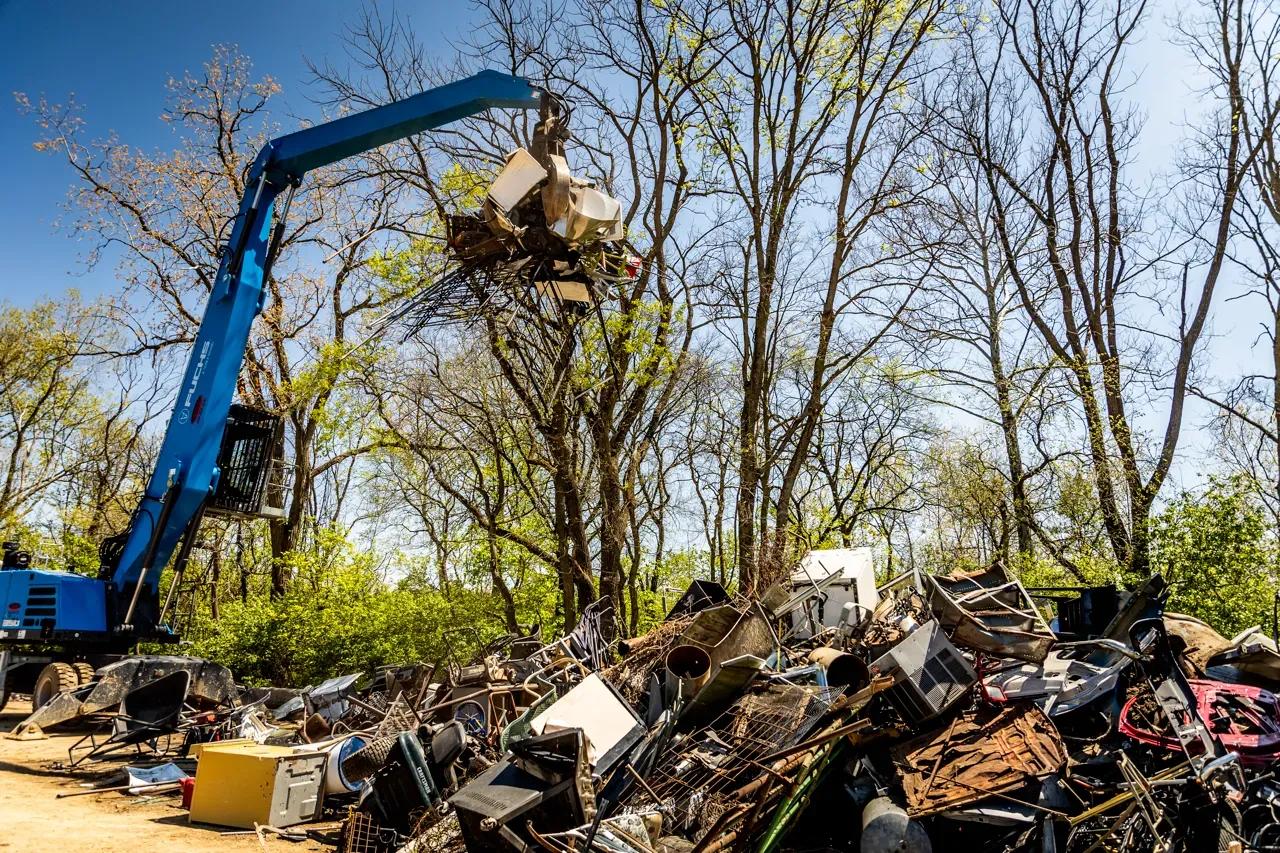
Scrap Metal Broker
If your business sells scrap metal, you have probably wondered whether you are getting the best price. Many companies haul their material to the nearest yard, accept whatever rate is offered, and move on. That approach works at small volumes. But as tonnage grows, leaving pricing decisions to a single buyer can cost you thousands per load.
So, what is a scrap metal broker, and why should your operation care? A scrap metal broker is an intermediary who connects scrap sellers with steel mills, foundries, and end consumers. Brokers do not physically process metal. Instead, they use market intelligence, mill relationships, and logistics coordination to place your material where it commands the highest price. Companies like Millbridge Metals offer mill brokerage in Cincinnati, OH that gives sellers access to a nationwide buyer network, transparent settlement reports, and dedicated project management.
This guide breaks down the broker's role in the scrap supply chain, explains when partnering with one makes financial sense, and shows how brokers protect sellers from price volatility.
How the Scrap Metal Supply Chain Works
Before choosing a sales channel, it helps to understand the three main players in the scrap metal economy: scrap yards, recyclers, and brokers. Each serves a different function, and confusing them leads to missed revenue.
Scrap Yard
A scrap yard buys metal from individuals, contractors, and small businesses. It weighs incoming material, sorts it into ferrous and non-ferrous categories, and pays the seller on the spot. Yards profit on the spread between their purchase price and what a processor or mill will pay. According to the Recycled Materials Association (ReMA), formerly known as ISRI, the U.S. scrap recycling industry supports over 531,000 jobs and contributes roughly $110 billion in annual economic activity. Yards are the front door to that ecosystem. They are convenient for small loads, but their pricing reflects a single buyer's margin, not the full market.
Recycler (Processor)
A recycler takes raw scrap a step further. Processors operate shredders, balers, shears, and sorting lines that turn mixed scrap into mill-ready grades. They invest heavily in equipment and labor to prepare material to ISRI specification standards. Recyclers sell processed material to domestic mills, foundries, and export markets. Their pricing is better than a yard's for large volumes, but they still represent a single point of sale.
Scrap Metal Broker
A broker does not own equipment or process material. Instead, a broker maintains relationships with dozens of mills, foundries, exporters, and specialty consumers. When your business generates scrap, the broker evaluates grade, volume, and market conditions, then places your material with the buyer offering the strongest return. Brokers earn a margin on the transaction, but the competitive tension they create among buyers often more than offsets that cost.
In short, yards collect, recyclers process, and brokers optimize placement. The three roles overlap at times, but understanding where each sits in the supply chain helps you decide which partner delivers the most value for your specific situation.
When Does Partnering With a Broker Make Financial Sense?
Not every business needs a broker. If you generate a few hundred pounds of scrap per month, a local yard is the practical choice. But once your volume or frequency crosses certain thresholds, broker economics start to shift in your favor.
Volume Thresholds
Most brokers focus on full truckloads, typically 40,000 to 45,000 pounds of ferrous material per load. If your operation generates enough scrap to fill one or more truckloads per month, a broker can begin negotiating mill-direct pricing. That pricing often exceeds what a yard or single processor will offer because it removes the middleman markup at the processing stage.
According to data from the World Steel Association, global steel scrap usage exceeded 630 million metric tons in recent years. Mills need consistent feedstock, and a broker who aggregates volume across multiple sellers becomes a preferred supplier. That status translates into priority scheduling, better rates, and faster payment.
Frequency and Consistency
Brokers also add value when your scrap generation is predictable. Manufacturers running production lines, fabrication shops producing cutoffs and trims, and demolition companies working multiple job sites all create steady streams of material. A broker builds that consistency into contracts with mills, locking in favorable terms that a one-off yard visit cannot match.
Material Complexity
Mixed loads with multiple grades require careful sorting and accurate identification. Misgrading a load of #1 heavy melt as #2 heavy melt can cost $20 to $50 per gross ton. Brokers with technical expertise ensure your material is classified correctly before it ships, protecting you from costly downgrades at the scale.
How Brokers Protect Sellers From Price Volatility
Scrap metal prices are notoriously volatile. Ferrous scrap can swing $50 to $100 per gross ton in a single month based on mill buy programs, import competition, and global trade conditions. The CME Group lists busheling ferrous scrap futures specifically to help market participants manage that risk. Brokers use several strategies to insulate sellers from these swings.
Mill Relationships and Competitive Bidding
A broker with relationships across 10, 20, or more mills can solicit competing bids for your material. When one region's mills cut buy programs, another region's mills may be ramping up. Brokers shift placement to capture the strongest pricing window. A single-yard seller does not have that flexibility.
Market Timing
Experienced brokers track daily index movements, mill buy cycles, and seasonal demand patterns. They advise when to hold material and when to ship. Selling into a rising market instead of a falling one can add $30 to $60 per gross ton on ferrous grades. Over hundreds or thousands of tons per year, that timing advantage compounds into significant revenue.
Hedging and Forward Contracts
Some brokers use financial hedging tools, including futures contracts on exchanges like the CME or the London Metal Exchange (LME) , to lock in prices for future deliveries. This strategy works best for non-ferrous metals like copper and aluminum, where exchange-traded contracts are liquid. For ferrous scrap, forward purchase agreements with mills serve a similar purpose. The goal is the same: reduce uncertainty so your business can budget and forecast with confidence.
Logistics Coordination
Brokers manage the movement of material from your facility to the end buyer. They coordinate container drops, flatbed pickups, and semi loads to minimize turnaround time and transportation costs. Efficient logistics preserve material quality. Scrap that sits exposed to weather can lose grade value through contamination and oxidation. Fast, well-planned moves protect both quality and price.
What to Look for in a Scrap Metal Broker
Choosing the right broker matters as much as deciding to use one. Here are the factors that separate strong partners from weak ones.
Transparency in settlement. A good broker provides detailed weight tickets, grade breakdowns, and pricing documentation for every load. You should never have to guess how your payout was calculated.
Nationwide mill network. Brokers with relationships in multiple regions can place material where demand is strongest, not just where geography is most convenient.
Dedicated account management. Your broker should assign a project manager who knows your operation, your material mix, and your payment preferences.
Flexible logistics. Whether you need rolloff containers, flatbed service, or semi trailers, the broker should coordinate hauling that fits your production schedule.
Track record with similar operations. Ask for references from companies in your industry, whether that is manufacturing, demolition, fabrication, or liquidation.
Businesses throughout Cincinnati, Hamilton County, and the greater Ohio Valley can reach Millbridge Metals on Google Maps to learn more about local scrap management and mill brokerage services.
Conclusion
A scrap metal broker is not a luxury reserved for Fortune 500 manufacturers. Any business generating consistent truckload volumes of ferrous or non-ferrous scrap can benefit from a broker's mill network, market timing, and logistics expertise. The key is knowing when your volume justifies the move from a single-yard relationship to a multi-mill strategy.
Brokers create competition for your material. That competition drives better pricing, reduces exposure to volatile markets, and turns scrap from an afterthought into a managed revenue stream. If your business ships one or more truckloads per month and you are not working with a broker, you are likely leaving money on the table.
Mills across the country need reliable feedstock every day. A qualified broker makes sure your material reaches the buyers who value it most, at the right time, and at the strongest possible price.
Frequently Asked Questions
What is the difference between a scrap metal broker and a scrap yard?
A scrap yard buys metal directly from sellers, processes it on-site, and resells it to larger buyers. A broker does not process metal. Instead, a broker uses mill relationships and market data to place your material with the highest-paying end consumer. Yards are best for small, infrequent loads. Brokers add the most value at truckload volumes and above.
How much scrap do I need before a broker will work with me?
Most brokers focus on full truckloads, which is roughly 40,000 to 45,000 pounds of ferrous scrap per shipment. If your operation generates at least one full load per month, a broker can likely improve your per-ton returns. Some brokers also work with clients who accumulate material over time to build full loads.
Do scrap metal brokers charge a fee or commission?
Brokers earn a margin on each transaction, typically built into the per-ton price rather than billed as a separate fee. The competitive bidding process brokers use among multiple mills often results in a net price to the seller that exceeds what a single yard or processor would offer, even after the broker's margin.
How do brokers protect my business from falling scrap prices?
Brokers use several tools to manage price risk. These include competitive bidding across multiple mills, strategic timing of sales based on market cycles, and in some cases financial hedging through futures contracts. They also advise on when to hold material versus when to ship, helping you avoid selling into a down market.
Can a broker handle both ferrous and non-ferrous scrap?
Yes. Most full-service brokers handle all grades of ferrous metals, such as heavy melt, plate and structural, and busheling, as well as non-ferrous metals like copper, aluminum, stainless steel, and brass. Brokers with broad expertise can evaluate your entire scrap stream and place each grade with the right buyer.
What industries benefit most from working with a scrap metal broker?
Manufacturing plants, fabrication shops, demolition companies, liquidation firms, and construction contractors benefit most. Any business that generates regular metal scrap volumes and wants to maximize returns without managing sales internally is a strong candidate.