

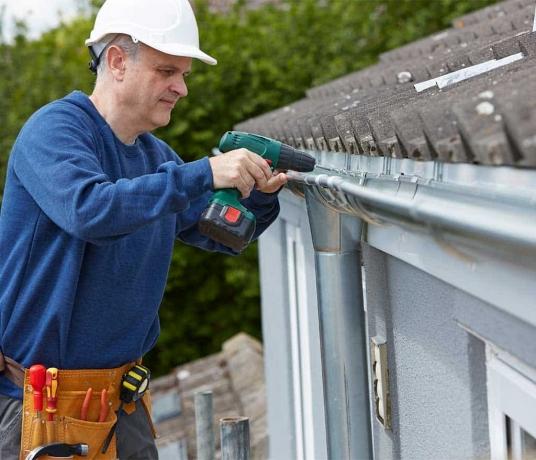
How Much Do Gutters Cost in Texas? Complete 2025 Pricing Guide
Planning a gutter installation or replacement for your Texas home? Understanding the costs involved can help you budget effectively and make smart decisions. Gutter prices in Texas vary based on several factors, including material type, home size, and local labor rates.
In this comprehensive guide, we break down everything you need to know about gutter costs in the Lone Star State. Whether you're in Houston, Dallas, Austin, or San Antonio, this article will help you understand what to expect when investing in new gutters.
Average Gutter Installation Costs in Texas
Texas homeowners typically pay between $18.43 and $21.87 per linear foot for gutter installation. For a standard 2,000-square-foot home requiring about 200 linear feet of gutters, the total cost ranges from $1,000 to $4,500, depending on material choice and project complexity.
These prices are competitive with national averages, which range from $12 to $33 per linear foot. However, specific costs can vary significantly based on your location within Texas and the unique requirements of your home.
Texas City-Specific Pricing
Different cities across Texas show varying price ranges for gutter installation. Understanding local market rates helps you set realistic expectations for your project.
|
City
|
Average Cost Range
|
Notes
|
|
Houston
|
$9.00 per linear foot
|
Full replacement costs vary by material
|
|
Dallas
|
$1,700 - $3,100
|
For typical 200 linear feet installation
|
|
Fort Worth
|
$1,500 - $4,500
|
Depends on size, material, and complexity
|
|
San Antonio
|
$1,000 - $2,500
|
Varies by material, labor, and home size
|
|
Austin
|
$15 - $25 per linear foot
|
Higher end for premium materials like copper
|
Urban areas like Austin and Dallas tend to have higher labor costs compared to rural locations. This difference reflects the higher cost of living and increased demand for professional gutter installation services in metropolitan regions.
Key Factors That Affect Gutter Costs in Texas
Several key factors influence how much you'll pay for gutter installation in Texas. Understanding these variables helps you make informed decisions and potentially save money on your project.
Material Type
The material you choose for your gutters significantly impacts the total cost. Each material offers different benefits in terms of durability, aesthetics, and price point.
Vinyl gutters are the most budget-friendly option, costing between $3 and $5 per linear foot. They're lightweight and easy to install. However, vinyl may not hold up well in extreme Texas heat and can crack or warp over time.
Aluminum gutters represent the middle ground, offering excellent value for money. They typically cost between $8 and $12 per linear foot. Aluminum is lightweight, rust-resistant, and durable enough to withstand Texas weather conditions. Many professional installers recommend aluminum seamless gutters for Texas homes.
Steel gutters provide superior strength and durability, costing between $9 and $15 per linear foot. They're ideal for areas prone to severe weather or high winds. However, steel requires proper maintenance to prevent rust, especially in humid regions like Houston.
Copper gutters are premium options that cost between $25 and $40 per linear foot. While expensive, copper offers unmatched longevity and aesthetic appeal. Copper develops a beautiful patina over time and can last 50 years or more, making it an excellent investment for historic or high-end homes.
Home Size and Roofline Length
Larger homes naturally require more gutter material, which increases the overall cost. A simple rule of thumb is to divide your home's square footage by 10 to estimate the linear feet of gutters needed.
For example, a 2,000-square-foot home typically needs about 200 linear feet of gutters. A 3,000-square-foot home would require approximately 300 linear feet, proportionally increasing the total cost.
Complex rooflines with multiple peaks, valleys, and corners also require more materials and labor. These architectural features increase installation time and the number of components needed.
House Height and Accessibility
Two-story homes or houses with difficult roof access require additional equipment and safety measures. This complexity adds to labor costs, as installers need scaffolding, extended ladders, or specialized equipment to reach higher areas safely.
Homes with steep roofs or limited access points around the property also increase installation difficulty. These factors can add 20% to 40% to the base installation cost.
Gutter Style and Type
Texas homeowners can choose between several gutter styles, each with different price points and performance characteristics.
K-style gutters are the most popular choice in Texas. They have a decorative profile that resembles crown molding and can handle significant water volume. K-style gutters typically cost less than half-round options and work well with most home styles.
Half-round gutters offer a classic, curved profile that's ideal for historic or traditional homes. They're slightly more expensive than K-style gutters but provide excellent water flow and are easier to clean.
Seamless gutters are custom-fabricated on-site to fit your home's exact measurements. They have fewer joints than sectional gutters, which reduces leak potential. Seamless gutters typically cost 10% to 20% more than sectional gutters but offer superior performance and longevity.
Additional Components
Beyond the gutters themselves, several additional components affect the total project cost. Downspouts direct water from gutters to the ground and away from your foundation, costing between $9 and $83 per unit.
Gutter guards prevent debris from clogging your gutters, reducing maintenance needs. They add $7 to $15 per linear foot to your project cost but can save money on cleaning services over time.
Other components include brackets ($6-$60), elbows ($3-$8), end caps ($2-$10), and hangers ($3-$18). While individually inexpensive, these parts add up quickly on larger projects.
Gutter Material Costs Breakdown
Understanding the cost breakdown by material helps you choose the best option for your budget and needs. The following table shows estimated costs for a typical 200-linear-foot gutter system in Texas.
|
Material
|
Material Cost
|
Labor Cost
|
Total Cost
|
|
Vinyl
|
$766
|
$666
|
$1,432
|
|
Aluminum
|
$1,665
|
$666
|
$2,331
|
|
Galvanized Steel
|
$1,495
|
$655
|
$2,385
|
|
Steel
|
$1,843
|
$666
|
$2,500
|
|
Copper
|
$5,594
|
$666
|
$6,260
|
These figures come from industry data and represent average costs. Your actual costs may vary based on local market conditions, specific material grades, and installation complexity.
Why Texas Weather Matters for Gutter Selection
Texas weather presents unique challenges for gutter systems. Understanding these factors helps you choose materials and features that will perform well in your specific climate.
Heavy Rainfall and Flash Flooding
Many Texas regions experience intense rainfall and flash flooding, especially during spring and fall. Houston, for example, receives an average of 50 inches of rain annually, with some storms dumping several inches in just hours.
Gutters must handle high water volumes without overflowing. This requirement makes proper sizing critical. Many Texas homes benefit from 6-inch gutters instead of standard 5-inch options, especially in areas prone to heavy rainfall.
Extreme Heat and UV Exposure
Texas summers bring intense heat and prolonged sun exposure. Temperatures regularly exceed 100°F in many areas, which can damage certain gutter materials.
Vinyl gutters are particularly vulnerable to heat damage. They can warp, crack, or become brittle under sustained high temperatures. Aluminum and steel gutters handle Texas heat much better, maintaining their shape and integrity through hot summers.
High Winds and Severe Storms
Texas experiences severe thunderstorms, occasional tornadoes, and hurricane impacts along the coast. These weather events bring high winds that can damage or tear away poorly installed gutters.
Seamless gutters with proper fastening systems perform better in high winds than sectional gutters. Heavy-gauge aluminum or steel gutters also resist wind damage better than lightweight vinyl options.
Humidity and Rust Concerns
Coastal areas and humid regions like Houston face increased rust and corrosion risks. This environmental factor makes material selection crucial for long-term performance.
Aluminum gutters naturally resist rust, making them ideal for humid Texas climates. Copper also resists corrosion and develops a protective patina. Steel gutters need protective coatings and regular maintenance to prevent rust in humid conditions.
Best Gutter Materials for Texas Homes
Based on Texas climate conditions and performance requirements, certain materials stand out as better choices for Lone Star State homes.
Aluminum: The Texas Favorite
Aluminum gutters are the most popular choice for Texas homeowners, and for good reason. They offer an excellent balance of affordability, durability, and performance.
Aluminum naturally resists rust, which is crucial in humid areas. It handles Texas heat without warping or becoming brittle. Aluminum gutters are lightweight, making installation easier and reducing stress on your fascia boards.
Most professional gutter companies, including AMS Gutters, recommend aluminum seamless gutters for Texas homes. They typically last 20 to 30 years with proper maintenance.
Copper: Premium Performance
For homeowners seeking the best possible performance and aesthetics, copper gutters are hard to beat. While expensive, copper offers unmatched longevity and beauty.
Copper resists corrosion naturally and can last 50 years or more. It develops a distinctive green patina over time, which many homeowners find attractive. Copper gutters are particularly appropriate for historic homes or high-end properties where appearance matters.
The main drawback is cost. Copper gutters can cost three to four times more than aluminum options. However, when you factor in their extended lifespan, the long-term cost per year may be comparable.
Steel: For Extreme Conditions
Steel gutters provide maximum strength and durability. They're the best choice for homes in areas prone to severe weather, high winds, or hail damage.
Galvanized steel gutters resist rust better than standard steel options. However, all steel gutters eventually require maintenance to prevent corrosion, especially in humid climates.
DIY vs. Professional Gutter Installation
Some homeowners consider installing gutters themselves to save money. While DIY installation is possible, it comes with significant challenges and risks.
DIY Installation Considerations
DIY gutter installation can save approximately $800 to $1,200 in labor costs for a typical project. However, you'll need to purchase or rent specialized tools and equipment.
Required tools include a ladder, tin snips, a drill, a level, measuring tape, and safety equipment. If you don't own these tools, rental and purchase costs can quickly add up.
Seamless gutters require special on-site fabrication equipment, making them impractical for DIY installation. You'll be limited to sectional gutters, which have more seams and higher leak potential.
The biggest DIY challenges include ensuring proper slope, secure mounting, and leak-free connections. Improper installation can lead to water damage, foundation problems, and premature gutter failure.
Benefits of Professional Installation
Professional gutter installation offers several advantages that often justify the additional cost. Experienced installers ensure proper slope, secure attachment, and correct placement of downspouts for optimal drainage.
Professionals can fabricate and install seamless gutters, which perform better and last longer than sectional alternatives. They have the right tools, equipment, and expertise to complete the job efficiently and safely.
Most professional installations come with warranties covering both materials and workmanship. This protection provides peace of mind and recourse if problems develop.
For most Texas homeowners, professional installation is the better choice. The quality, safety, and warranty benefits outweigh the labor cost savings of DIY installation.
How to Save Money on Gutter Installation in Texas
While gutters are a significant investment, several strategies can help you reduce costs without sacrificing quality.
Compare Multiple Quotes
Always get quotes from at least three reputable gutter installation companies. Prices can vary significantly between contractors, even for identical materials and services.
When comparing quotes, ensure you're evaluating equivalent products and services. The cheapest quote isn't always the best value if it uses inferior materials or lacks proper warranties.
Choose Cost-Effective Materials
Aluminum gutters offer the best balance of cost, performance, and longevity for most Texas homes. They cost less than premium materials like copper but perform well in Texas climates.
Time Your Project Strategically
Gutter installation companies often have slower periods during winter months. Some contractors offer discounts during these off-peak times to keep their crews busy.
However, avoid waiting until you desperately need new gutters. Emergency installations during peak season typically cost more and may require you to accept whatever contractor is available.
Invest in Gutter Guards
While gutter guards add upfront cost, they reduce long-term maintenance expenses. Professional gutter cleaning costs $100 to $250 per service, typically needed twice yearly.
Gutter guards can reduce cleaning frequency to once every few years or eliminate it entirely. Over a gutter system's 20-year lifespan, this savings can exceed the initial guard installation cost.
Maintain Your Gutters Properly
Proper maintenance extends gutter lifespan and prevents costly repairs. Clean your gutters at least twice per year, in spring and fall, to remove debris and prevent clogs.
Inspect gutters after severe storms for damage. Address small issues like loose hangers or minor leaks immediately before they become major problems requiring extensive repairs.
Regular maintenance can help your gutters last their full expected lifespan, maximizing your investment value.
Signs You Need New Gutters
Knowing when to replace gutters helps you plan and budget for the project. Several signs indicate your gutters need replacement rather than simple repairs.
Visible cracks or holes in multiple areas indicate systemic problems. If you're constantly patching leaks, replacement is more cost-effective than ongoing repairs.
Sagging or pulling away from the house indicates failed hangers or rotted fascia boards. While you can sometimes repair these issues, widespread sagging usually means the entire system needs replacement.
Peeling paint or rust suggests water isn't flowing properly. Rust on steel gutters indicates the protective coating has failed and corrosion has begun.
Water damage or mildew on siding below gutters, foundation cracks, or mildew growth near your home's base all indicate gutter problems. If gutters aren't directing water away from your home, they're not doing their job.
Age is also a factor. Even well-maintained gutters don't last forever. Vinyl gutters typically last 10-15 years, aluminum 20-30 years, and copper 50+ years. If your gutters are approaching their expected lifespan, start planning for replacement.
Frequently Asked Questions
How much do gutters cost for a 1,500-square-foot house in Texas?
A 1,500-square-foot house typically needs about 150 linear feet of gutters. At Texas average prices of $18.43 to $21.87 per linear foot, expect to pay between $2,765 and $3,281 for aluminum gutters, including installation.
Are seamless gutters worth the extra cost?
Yes, seamless gutters are generally worth the additional 10-20% cost. They have fewer leak points, require less maintenance, and last longer than sectional gutters. The long-term benefits typically outweigh the higher initial investment.
How long do gutters last in Texas?
Gutter lifespan depends on material and maintenance. Vinyl gutters last 10-15 years in Texas heat. Aluminum gutters typically last 20-30 years. Steel gutters last 20-25 years with proper maintenance. Copper gutters can last 50 years or more.
Do I need gutter guards in Texas?
Gutter guards are beneficial in Texas, especially if you have trees near your home. They reduce cleaning frequency and prevent clogs during heavy rainfall. While not essential, guards provide good long-term value through reduced maintenance costs.
What's the best gutter material for Houston's climate?
Aluminum is the best choice for Houston's humid climate. It resists rust naturally and handles moisture well. Copper is also excellent but more expensive. Avoid vinyl, which can degrade in Houston's heat and humidity.
Conclusion: Making Smart Gutter Investment Decisions
Gutters are a critical component of your home's protection system. They direct water away from your foundation, prevent soil erosion, and protect your siding and landscaping from water damage.
For Texas homeowners, expect to pay between $1,000 and $4,500 for a complete gutter installation, depending on home size, material choice, and project complexity. Aluminum seamless gutters offer the best value for most Texas homes, balancing cost, performance, and longevity.
When planning your gutter project, focus on quality materials and professional installation rather than simply choosing the lowest price. Properly installed gutters from a reputable company like AMS Gutters will protect your home for decades, making them a worthwhile investment.
Consider Texas-specific factors like intense heat, heavy rainfall, and occasional severe weather when selecting materials. Choose rust-resistant options like aluminum or copper for humid areas. Ensure proper sizing to handle intense rainfall events common in Texas.
Get multiple quotes from licensed, insured contractors. Check references and reviews before making your decision. Ask about warranties covering both materials and workmanship.
With proper planning and smart material choices, your new gutter system will protect your Texas home effectively for many years to come.