

How Much Does a 1000 Square Foot Roof Cost in Blue Ash, Ohio? (2025 Guide)
Replacing your roof is one of the most significant and essential investments you will make as a homeowner. It stands as the primary shield for your property, protecting your family, your belongings, and the structural integrity of your house from the elements. When the time comes for a replacement, the first question on most homeowners' minds is about the cost. If you live in the beautiful suburban city of Blue Ash, Ohio, and are budgeting for a new 1000-square-foot roof, you've come to the right place for a detailed breakdown.
On average, homeowners in the Blue Ash and greater Cincinnati area can expect to pay between $6,000 and $11,000 for a new 1000-square-foot roof. This price range serves as a solid starting point, but it's important to recognize that the final cost can vary significantly. A straightforward replacement on a simple roof using standard materials might fall at the lower end of this spectrum. Conversely, a project on a complex, steep roof with premium materials and extensive prep work could easily exceed this range. The key is understanding the variables that influence the final price tag.
This comprehensive guide will walk you through every factor that contributes to the cost of a new roof in Blue Ash. We will delve into the pricing of different materials, the impact of local labor rates, and how Blue Ash's distinct four-season climate plays a crucial role in your roofing decisions. We'll explore why these costs fluctuate, offer practical tips on how you can save money without compromising on quality, and outline what to look for in a qualified, professional roofing contractor. For a precise and customized quote, it is always best to consult with a trusted local expert like Sword Roof & Siding, a company with deep knowledge of the specific roofing requirements for Blue Ash properties.
Key Factors That Influence Roofing Costs
When a roofing contractor prepares an estimate, they are assessing much more than just the size of your roof. A host of interconnected factors come into play, each contributing to the final project cost. Understanding these elements will empower you to read a quote knowledgeably and see exactly where your investment is going. According to the roofing industry leader Owens Corning, several key factors determine the cost of a new roof [1].
Roof Size and Complexity: While it may seem obvious, a larger roof requires more materials and more labor, thus increasing the cost. However, it's crucial to distinguish between your home's square footage and your roof's square footage. The roof's actual surface area, which includes all slopes, overhangs, garages, and covered porches, is the number that matters. For instance, a sprawling 1,000-square-foot, single-story ranch home will have a significantly larger and more expensive roof than a 1,000-square-foot, two-story colonial home, where the living space is stacked. The complexity of your roof's design also plays a major role. A simple, low-pitched gable roof is relatively straightforward to work on. But if your roof features multiple levels, steep pitches, dormers, chimneys, or numerous valleys, the job becomes far more intricate. These architectural features require more time for precise cutting of materials, specialized labor for flashing and sealing, and extra materials to ensure a completely watertight system, all of which drive up the cost.
Roofing Materials: The materials you select are one of the most significant variables in your roofing budget, often accounting for 40% to 50% of the total project cost. The market offers a wide array of options, from budget-friendly asphalt shingles to luxurious and long-lasting slate tiles. Each material comes with its own price point, expected lifespan, aesthetic appeal, and maintenance requirements. We will explore these options in greater detail in the next section.
Labor and Contractor Rates: Professional labor is the other major component of your roofing bill, typically making up the remaining 50% to 60% of the total cost. Labor rates are not uniform; they vary depending on your geographic location, the contractor's level of experience and certification, and the complexity of the job. In metropolitan areas like Blue Ash and the greater Cincinnati region, labor costs tend to be higher than in more rural parts of Ohio, reflecting the higher cost of living and doing business. A professional roofing crew brings the expertise, tools, and safety protocols necessary to handle the job correctly and efficiently. Their skill is a critical investment in a long-lasting, problem-free roof.
Condition of the Existing Roof: What lies beneath your old shingles can hold expensive surprises. During the tear-off of the old roof, the contractor will inspect the underlying wood decking (typically plywood or OSB). If they discover that the decking is soft, rotted from moisture, or otherwise damaged, it will need to be replaced. This adds to the material and labor costs. A thorough initial inspection by a reputable contractor, such as Sword Roof & Siding, can often identify potential issues before the work begins, allowing for a more accurate quote and preventing unexpected charges.
Permits and Disposal Fees: Most municipalities, including Blue Ash, require a building permit for a major project like a roof replacement. This ensures the work is performed to current local building codes, which is a critical safety measure for the homeowner. The cost of the permit is usually handled by the contractor and included in their quote. Additionally, the old roofing materials must be removed and properly disposed of, and there are fees associated with that process. This might involve renting a dumpster for the duration of the project and paying for disposal at a certified landfill.
Roofing Material Options and Costs
The material you choose for your roof is a major decision that affects not only the immediate cost but also the long-term performance, appearance, and maintenance needs of your home. In Blue Ash, where the weather cycles through hot, humid summers and cold, snowy winters, selecting a material that can withstand these extremes is crucial. Here's a detailed look at the most common roofing materials and what you can expect to pay for them in the Ohio market.
|
Material
|
Average Cost per Sq. Ft. (Ohio)
|
Lifespan
|
Pros
|
Cons
|
|
Asphalt Shingles
|
$3.50 - $7.50
|
15-30 years
|
Affordable, easy to install, wide variety of colors
|
Shorter lifespan, can be damaged by extreme weather
|
|
Metal Roofing
|
$7.00 - $15.00
|
40-70 years
|
Durable, long-lasting, energy-efficient, resistant to fire and rot
|
Higher upfront cost, can be noisy during rain
|
|
Wood Shingles/Shakes
|
$6.00 - $10.00
|
20-40 years
|
Natural, rustic aesthetic, good insulation
|
Requires regular maintenance, susceptible to rot and insects
|
|
Slate
|
$15.00 - $30.00
|
75-200 years
|
Extremely durable, fireproof, elegant appearance
|
Very expensive, heavy, requires specialized installation
|
|
Clay/Concrete Tiles
|
$10.00 - $20.00
|
50-100 years
|
Durable, fireproof, resistant to rot and insects
|
Heavy, can be brittle, higher cost
|
Asphalt Shingles are the most popular roofing material in the United States, and for good reason. They offer an excellent balance of affordability, durability, and style. For a 1000-square-foot roof in Blue Ash, an asphalt shingle roof is often the most budget-friendly option. There are two main types: traditional 3-tab shingles, which are the most basic and affordable, and architectural (or dimensional) shingles. Architectural shingles are thicker, composed of multiple laminated layers, and create a more varied, textured look. Given Ohio's weather, with its potential for high winds and hail, architectural shingles are often a worthwhile investment for their enhanced durability and longer warranties.
Metal Roofing has seen a surge in popularity in recent years, thanks to its exceptional durability and longevity. While the upfront cost is significantly higher than asphalt, a metal roof can last two to three times as long, making it a very cost-effective choice over the life of your home. Metal roofs are highly resistant to fire, rot, and insects. They are also energy-efficient, reflecting solar heat to potentially lower your cooling costs in the summer. They come in various styles, including standing-seam panels and metal shingles that mimic the look of other materials. For a reliable metal roofing installation, you can consult with experts like Sword Roof & Siding.
Wood Shingles and Shakes offer a beautiful, natural aesthetic for homeowners seeking a rustic or historic look. They provide excellent insulation and can be very durable if properly maintained. However, they require more upkeep than other materials. They need to be periodically cleaned and treated to resist rot, mold, and insects. In a climate like Blue Ash's, with its significant humidity and precipitation, this maintenance is especially critical to ensure the roof reaches its full lifespan.
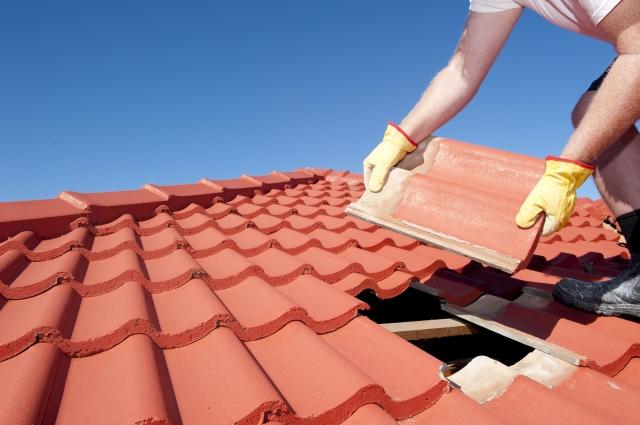
Slate and Tile Roofing represent the premium end of the market, offering unparalleled durability and a timeless, elegant appearance. A slate roof can last for a century or more, making it a true lifetime investment for a home. Clay and concrete tiles are also incredibly long-lasting and resistant to the elements. However, these materials are very heavy and require a reinforced roof structure to support their weight. They are also the most expensive options, and their installation is a specialized craft that requires a highly experienced contractor.
The Cost of a 1000-Square-Foot Roof in Blue Ash, Ohio
Now that we've covered the general factors, let's get more specific about what a 1000-square-foot roof might cost in Blue Ash. As a prominent suburb of Cincinnati, Blue Ash is part of a metropolitan area with its own unique market conditions. According to data for the Cincinnati area, a new roof can range from approximately $10,363 to $16,459 for an average-sized home [2]. For a smaller, 1000-square-foot home, the costs will likely fall on the lower end of that spectrum, but it provides a good local benchmark.
Here's a more detailed breakdown of what you might expect to pay for a 1000-square-foot roof in Blue Ash, based on the type of material:
Asphalt Shingles: For a standard architectural shingle roof, you could be looking at a cost between $5,500 and $9,500. This is the most common choice for homeowners in the area, offering a great blend of performance and value.
Metal Roofing: A durable metal roof will likely cost between $9,000 and $16,000. While the initial investment is higher, the long-term savings on repairs and replacement can be significant.
Premium Materials: If you opt for high-end materials like wood shakes, slate, or tile, the cost could range from $13,000 to over $20,000, depending on the specific product and the complexity of the installation.
It's important to remember that these are estimates. The final price will depend on the factors we've discussed, such as the complexity of your roof, the condition of the decking, and the contractor you choose. To get a precise and reliable quote, it is always recommended to get an estimate from a professional roofing company. A local company like Sword Roof & Siding can provide a detailed inspection and a quote that is tailored to your home's specific needs.
How Blue Ash's Climate Affects Your Roof
Blue Ash, Ohio, experiences a full range of seasons, from hot and humid summers to cold and snowy winters. This humid continental climate presents unique challenges for roofing systems, and understanding these challenges is key to choosing a roof that will last. The weather can significantly impact the lifespan and performance of your roof.
Summer Heat and Humidity: Summers in Blue Ash can be hot, with temperatures often reaching into the mid-80s. This intense sun and heat can take a toll on roofing materials. Asphalt shingles, in particular, can soften and become more susceptible to damage. The sun's UV rays can also cause materials to degrade and lose their color over time. Proper attic ventilation is crucial in the summer to prevent heat buildup, which can damage the roof structure and shingles from the inside out. A well-ventilated roof can also help lower your cooling costs.
Winter Snow and Ice: Winters in Blue Ash are cold and snowy. Heavy snow loads can put a significant strain on your roof's structure. As the snow melts and refreezes, it can lead to the formation of ice dams at the edge of the roof. Ice dams prevent water from draining properly, and the trapped water can seep under the shingles, causing leaks and water damage to your home's interior. A properly installed ice and water shield, a waterproof membrane applied to the most vulnerable areas of the roof, is essential for homes in this climate.
Rain and Storms: Blue Ash receives a significant amount of rainfall throughout the year. Severe thunderstorms with strong winds are also common, especially in the spring and fall. Wind-driven rain can find its way into any small cracks or gaps in the roofing system. High winds can lift and tear shingles, leaving your roof exposed to the elements. This is why choosing a roofing material with a high wind rating is so important in this region. For more information on how weather affects roofing, you can consult resources from the Federal Emergency Management Agency (FEMA).
When you work with a local roofing expert like Sword Roof & Siding, they will recommend materials and installation techniques that are specifically designed to withstand the challenges of the Blue Ash climate. Their local knowledge is invaluable in ensuring your new roof provides reliable protection for years to come.
How to Save Money on Your New Roof
A new roof is a major expense, but there are ways to manage the cost without sacrificing quality. With some careful planning and smart choices, you can get a durable, long-lasting roof that fits your budget. Here are some tips for saving money on your roof replacement project.
Get Multiple Quotes: This is one of the most important steps in the process. Don't just go with the first contractor you talk to. It's a good idea to get at least three different quotes from reputable, local roofing companies. This will give you a clear idea of the fair market price for the work you need done. When you compare quotes, make sure you're comparing apples to apples. The quotes should be for the same materials, the same scope of work, and the same warranty. A lowball bid might be tempting, but it could be a red flag for subpar materials or inexperienced labor.
Time Your Project Strategically: Roofing is a seasonal business. The busiest times for roofers are typically late spring, summer, and early fall. If you can schedule your roof replacement during the off-season, such as late fall or winter, you may be able to get a better price. Contractors are often looking for work during these slower months and may be willing to offer a discount. However, keep in mind that winter weather can sometimes cause delays.
Consider the Long-Term Value: It can be tempting to choose the cheapest materials to save money upfront, but this can often cost you more in the long run. A cheaper shingle may have a shorter lifespan and be more susceptible to damage, meaning you'll have to pay for repairs or another replacement sooner. Investing in a more durable material, like architectural shingles or a metal roof, can provide better long-term value. These materials may cost more initially, but they last longer and require less maintenance, saving you money over the life of the roof.
Don't Do a Roof-Over: A roof-over, or overlay, is when a new layer of shingles is installed directly over the old one. While this is cheaper than a full tear-off and replacement, it's generally not a good idea. A roof-over adds extra weight to your roof structure and can trap heat, shortening the life of the new shingles. It also prevents the roofer from inspecting the underlying decking for damage. Most importantly, many manufacturers will not warranty a roof that has been installed over an existing layer of shingles. A full replacement from a trusted company like Sword Roof & Siding is always the better investment.
Ask About Financing: Many roofing companies offer financing options that allow you to pay for your new roof in manageable monthly installments. This can make the cost of a high-quality roof much more affordable. Be sure to ask your contractor about the financing plans they offer.
How to Choose the Right Roofing Contractor
Choosing the right contractor is just as important as choosing the right materials. A well-installed roof will provide years of protection, while a poorly installed one can lead to endless problems and costly repairs. Here are some tips for finding a qualified and trustworthy roofing contractor in the Blue Ash area.
Look for Local, Established Companies: A local contractor will be familiar with the building codes and weather conditions in Blue Ash. They will also have a local reputation to uphold and will be more accessible if you have any issues with your roof down the road. Look for a company that has been in business for several years and has a physical office in the area. A company like Sword Roof & Siding is a great example of a local expert with a proven track record.
Check for Licensing and Insurance: Never hire a contractor who is not properly licensed and insured. A license shows that they have met the state and local requirements to work as a roofer. Insurance is even more critical. The contractor should have both liability insurance, which protects your property from damage, and workers' compensation insurance, which covers their employees if they are injured on the job. If you hire an uninsured contractor, you could be held liable for any accidents that occur on your property. You can verify a contractor's credentials through resources like the Better Business Bureau (BBB).
Ask for References and Read Reviews: A reputable contractor will be happy to provide you with a list of references from past customers. Take the time to call these references and ask about their experience with the contractor. You can also read online reviews on sites like Google, Yelp, and Angi. Look for a contractor with a consistent record of positive feedback and high customer satisfaction.
Get a Detailed, Written Contract: Once you've chosen a contractor, make sure you get a detailed, written contract before any work begins. The contract should clearly outline the scope of the project, including the materials to be used, the start and end dates, the total cost, and the payment schedule. It should also include details about the warranty for both materials and labor. A thorough contract protects both you and the contractor and ensures that everyone is on the same page.
Don't Be Swayed by High-Pressure Tactics: Be wary of any contractor who uses high-pressure sales tactics or demands a large upfront payment. A professional contractor will give you a detailed estimate and allow you to take your time to make a decision. A small down payment is standard, but a large deposit can be a red flag. Most of the payment should be due upon completion of the project to your satisfaction.
Conclusion
Replacing a 1000-square-foot roof in Blue Ash, Ohio, is a significant project, but with the right information, you can make a confident and informed decision. By understanding the factors that influence cost, choosing the right materials for your home and climate, and selecting a qualified local contractor, you can ensure you get a high-quality roof that will protect your home for years to come.
For a detailed and accurate estimate, we recommend contacting a trusted local professional like Sword Roof & Siding. Their expertise in the Blue Ash market will help you navigate the process and find the best solution for your home and budget.
References
[1] Owens Corning. (n.d.). Roof Replacement Costs Explained. Retrieved from https://www.owenscorning.com/en-us/roofing/blog/roof-replacement-cost
[2] Roof Revivers. (2025, March 17). New Roof Prices in Ohio. Retrieved from https://roofrevivers.com/blog/new-roof-prices-ohio