

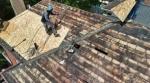
How Much Does a New Roof Cost in KY? A Complete 2025 Guide
A new roof is a major investment for any homeowner. In Kentucky, where weather can be unpredictable, a sturdy and reliable roof is not just a matter of aesthetics but a crucial component of your home's protection.
If you're a homeowner in the Bluegrass State, you've likely wondered, "How much does a new roof cost in KY?"
This guide will walk you through the various factors that influence the cost of a new roof in Kentucky, from materials and labor to the size and complexity of your roof. We'll also provide some tips on how to get the best value for your money and ensure you're making a wise investment in your home's future.
Average Cost of a New Roof in Kentucky
Determining a precise, one-size-fits-all answer to the cost of a new roof in Kentucky is challenging because every home is unique. However, based on recent data and local market trends, we can provide a general price range to help you budget accordingly.
On average, Kentucky homeowners can expect to pay between $7,000 and $17,000 for a complete roof replacement. Some sources indicate a statewide average of around $14,008 for a typical 2,200-square-foot roof, while others suggest a more modest average of $6,350. For a standard-sized home with an asphalt shingle roof, the cost typically falls between $7,000 and $12,000. In larger cities like Louisville, the price range can be wider, from $3,100 to $18,600, depending on the home's size and the materials used.
These figures are just estimates, and your actual cost could be higher or lower. The final price tag will depend on a variety of factors, which we will explore in the next section.
Key Factors Influencing Roof Cost
Understanding the factors that go into the final cost of a new roof will help you make an informed decision. Here are the primary elements that will determine the price of your roof replacement in Kentucky:
Roofing Materials
The type of roofing material you choose is one of the most significant cost drivers. Different materials vary widely in price, durability, and appearance. Here is a comparison of some of the most common roofing materials used in Kentucky:
|
Material
|
Average Cost per Square Foot
|
Average Cost for a 2,000 sq. ft. Roof
|
Lifespan (Years)
|
|
Asphalt Shingles
|
$4.46
|
$8,927
|
30-35
|
|
Metal (Steel)
|
$8.76
|
$17,522
|
30-50
|
|
Wood Shingles (Cedar)
|
$10.88
|
$21,769
|
30-35
|
|
Clay Tile
|
$14.71
|
$29,417
|
50-75
|
|
Slate Shingles
|
$14.78
|
$29,564
|
50-75
|
Source: This Old House and Owens Corning
As you can see, asphalt shingles are the most affordable option, which is why they are the most popular choice for homeowners. However, materials like metal, tile, and slate, while more expensive upfront, offer longer lifespans and may require less maintenance over time.
Roof Size and Complexity
The size of your roof is another major factor in determining the cost. A larger roof will naturally require more materials and more labor to install. Roofs are typically measured in "squares," which are 100-square-foot areas. The more squares your roof has, the higher the cost will be.
The complexity of your roof's design also plays a role. A simple, single-level gable roof will be less expensive to replace than a multi-level roof with numerous hips, valleys, dormers, and skylights. These features require more detailed work and flashing, which increases both material and labor costs.
Labor Costs
Labor typically accounts for about 60% of the total cost of a new roof. In Kentucky, the average labor cost for roofing can range from $2.00 to $3.50 per square foot or $200 to $350 per square. The hourly rate for a roofer is around $75 per hour.
Labor costs can vary depending on the experience and reputation of the roofing contractor, the complexity of the job, and the local market rates. A highly experienced and reputable company like Madewell Roofing may have higher labor rates, but they also bring a higher level of skill and a commitment to quality workmanship, which can save you money in the long run by avoiding costly repairs.
Other Cost Factors
Beyond materials and labor, several other factors can influence the final cost of your new roof.
The condition of the existing roof plays a significant role in determining the overall cost. If your old roof has multiple layers that need to be torn off, or if there is significant water damage to the underlying decking, this will add to the cost. Damaged decking must be replaced before new shingles can be installed, which increases both material and labor expenses.
Permits and inspections are another important consideration. Most municipalities in Kentucky require building permits for roof replacements. These fees, along with any required inspections, will be added to your total cost. Your contractor should handle the permit process for you, but it's important to factor this into your budget.
The cost of debris disposal is another expense to consider. Removing and disposing of your old roofing materials can add several hundred dollars to the project, depending on the size of your roof and the amount of debris generated.
Geographic location within Kentucky can also affect pricing. Roofing costs can vary slightly depending on where you live in the state. Urban areas like Louisville and Lexington may have higher labor costs than rural areas due to increased demand and higher cost of living.
Finally, the time of year you choose to replace your roof can also affect the price. The peak season for roofing is typically in the late spring and summer when weather conditions are ideal. You may be able to get a better price if you schedule your replacement during the off-season, such as late fall or early spring, when contractors are less busy.
Choosing the Right Roofing Contractor in Kentucky
Selecting the right roofing contractor is just as important as choosing the right materials for your new roof. A qualified and experienced contractor will ensure that your roof is installed correctly and will last for years to come.
First and foremost, check for licensing and insurance. Make sure that any contractor you consider is properly licensed and insured in the state of Kentucky. This will protect you in case of any accidents or damage to your property during the roofing process. A legitimate contractor will be happy to provide proof of their credentials.
Next, ask for references from past clients. A reputable contractor should be able to provide you with a list of references. Take the time to call these references and ask about their experience with the contractor. Were they satisfied with the quality of work? Was the project completed on time and within budget?
It's also important to get multiple quotes. Don't just go with the first contractor you talk to. Get at least three different quotes from different contractors to compare prices and services. This will give you a better sense of the market rate and help you identify any contractors who may be overcharging or undercharging.
Read online reviews from other homeowners. Check online review sites like Google, Yelp, and the Better Business Bureau to see what other homeowners have to say about the contractors you are considering. Pay attention to both positive and negative reviews to get a balanced perspective.
Finally, look for a contractor with a strong local reputation. A contractor with a long history of serving your community is more likely to be reliable and stand behind their work. Companies like Madewell Roofing have built a strong reputation in Kentucky for their commitment to quality and customer service.
By taking the time to do your research and choose a qualified contractor, you can have peace of mind knowing that your new roof is in good hands.
A Closer Look at Roofing Materials for Your Kentucky Home
Choosing the right roofing material is a balance of cost, durability, and aesthetics. Here's a more in-depth look at the most common options for Kentucky homeowners:
Asphalt Shingles
Asphalt shingles are the most popular roofing material in the United States. They are affordable, easy to install, and come in a wide variety of colors and styles.
3-Tab shingles are the most basic and affordable option, with a flat appearance and a lifespan of 15-20 years. Architectural shingles, also known as dimensional shingles, are a step up with a textured look that can mimic wood shake or slate. They are thicker and more durable, lasting 30 years or more. Premium shingles are high-end options designed to replicate natural slate or cedar shake, offering superior durability and aesthetics at a higher price.
For Kentucky's climate, which includes hot summers and cold winters, architectural shingles are often a good choice, offering a balance of durability and value.
Metal Roofing
Metal roofing has become increasingly popular due to its durability, longevity, and energy efficiency. While it has a higher upfront cost than asphalt shingles, a metal roof can last for 50 years or more with minimal maintenance. Metal roofs are fire-resistant and can reduce energy bills by reflecting solar heat.
Steel is the most common type, available in various finishes and colors. Galvanized or galvalume coatings protect it from rust. Aluminum is lightweight and corrosion-resistant but more expensive than steel. Copper is a premium option that can last over 100 years and develops a distinctive patina over time.
Wood Shingles and Shakes
Wood shingles and shakes offer natural, rustic beauty. Cedar is the most common type, naturally resistant to rot and insects. While beautiful, wood roofs require more maintenance to prevent moss and algae growth and are less fire-resistant. The lifespan is typically 25-35 years.
Tile and Slate Roofing
Tile and slate are among the most durable roofing materials, lasting 100 years or more with proper maintenance. They are fireproof and resistant to rot and insects.
Clay tiles are classic materials available in various colors and styles, including Spanish or Mediterranean looks. Concrete tiles are a more affordable alternative that can mimic clay, slate, or wood shake. Slate is a natural stone that is extremely beautiful and durable but also expensive and very heavy, requiring structural assessment before installation.
For Kentucky homeowners seeking a long-term roofing solution, tile and slate are excellent options if the budget allows.
The Roof Replacement Process: What to Expect
Replacing a roof is a major construction project, but a professional contractor will make the process smooth and efficient.
The process begins with an initial inspection and estimate. A roofing professional will assess your roof's condition, take measurements, and provide a detailed estimate. Next, you'll choose your materials, including shingle type, color, and style.
Before work begins, the crew will prepare and protect your property by covering landscaping and moving furniture. The tear-off phase involves removing old shingles and inspecting the decking for damage. Any damaged sections are replaced.
During installation, the crew lays down new underlayment, installs shingles, and seals edges and flashing. A quality contractor like Madewell Roofing pays close attention to detail to ensure a watertight roof.
Finally, the crew performs cleanup and final inspection, removing all debris and ensuring quality standards are met. The entire process typically takes a few days to a week, depending on roof size and complexity.
How to Save Money on Your Kentucky Roof Replacement
While a new roof is a significant investment, there are several ways you can save money without sacrificing quality.
Getting at least three quotes from different contractors is essential. This allows you to compare prices and services to ensure you're getting a fair deal. Be wary of quotes that are significantly lower than others, as this could indicate the use of inferior materials or shortcuts.
Scheduling your roof replacement during the off-season can potentially save you money. Contractors are often less busy in late fall or early spring, and they may be willing to offer discounts to fill their schedules.
If you're working with a limited budget, asphalt shingles or metal roofing can provide excellent value and longevity at a more affordable cost compared to premium materials like slate and copper.
Regular maintenance can extend the life of your roof and help you avoid costly repairs or premature replacement. This includes cleaning your gutters, removing debris, and inspecting for damage after storms.
If your roof was damaged by a storm or other covered event, your homeowner's insurance may cover some or all of the replacement cost. Working with a reputable contractor like Madewell Roofing can also help with the insurance claims process.
Frequently Asked Questions About Roof Costs in Kentucky
How long does a typical roof last in Kentucky?
The lifespan of a roof in Kentucky depends on the material used. Asphalt shingles typically last 20-30 years, while metal roofs can last 40-50 years or more. Tile and slate roofs can last 50-100 years with proper maintenance.
Do I need a permit to replace my roof in Kentucky?
Yes, most municipalities in Kentucky require a building permit for roof replacement. Your roofing contractor should handle the permit application process for you, but it's important to confirm this before work begins.
Can I install a new roof over my old one?
While it is possible to install a new roof over an old one in some cases, it's generally not recommended. Removing the old roof allows the contractor to inspect the underlying decking for damage and ensures a proper installation. Most building codes also limit the number of roof layers allowed.
How do I know if I need a new roof or just repairs?
Signs that you may need a new roof include widespread shingle damage, multiple leaks, sagging areas, and a roof that is nearing the end of its expected lifespan. A professional roofing inspection can help you determine whether repairs or replacement is the best option.
What is the best roofing material for Kentucky's climate?
For Kentucky's climate, which includes hot summers, cold winters, and occasional severe weather, asphalt architectural shingles and metal roofing are both excellent choices. They offer good durability, weather resistance, and value for the investment.
Conclusion
Replacing your roof is a significant but necessary investment in protecting your home and maintaining its value. In Kentucky, the cost of a new roof can vary widely depending on a number of factors, including the materials you choose, the size and complexity of your roof, and the contractor you hire. By understanding these factors and doing your research, you can make an informed decision that fits your budget and provides you with a durable, long-lasting roof.
Remember to get multiple quotes from reputable, licensed, and insured contractors. Don't be afraid to ask questions and make sure you are comfortable with the contractor's experience and communication style. A quality roof is a long-term investment, and choosing the right contractor is key to ensuring that your investment is a sound one. For a trusted, local expert, consider reaching out to Madewell Roofing for a consultation and estimate.
References
[1] Bluegrass Roofing & Consulting. (2025, October 24). Average Cost to Replace a Roof in Kentucky. Retrieved from https://www.bluegrassroofingandconsulting.com/what-is-the-average-cost-to-replace-a-roof-kentucky/
[2] Instant Roofer. (2025, October 25). Kentucky Roof Replacement Costs Powered by AI. Retrieved from https://www.instantroofer.com/kentucky-roof-replacement-cost/
[3] RoofClaim. (n.d.). How Much Does a New Roof Cost. Retrieved from https://roofclaim.com/how-much-does-new-roof-cost/
[4] United Contracting KY. (2024, September 30). How Much Does a New Roof Cost in Kentucky?. Retrieved from https://unitedcontractingky.com/blog/new-roof-cost-in-kentucky
[5] Best Choice Roofing. (n.d.). How Much Does a Roof Replacement Cost in Louisville?. Retrieved from https://bestchoiceroofing.com/louisville/roof-replacement-cost-louisville/
[6] This Old House. (2025, August 28). New Roof Cost Guide (2025). Retrieved from https://www.thisoldhouse.com/roofing/new-roof-cost
[7] Owens Corning. (n.d.). Roof Replacement Costs Explained. Retrieved from https://www.owenscorning.com/en-us/roofing/blog/roof-replacement-cost
[8] HomeGuide. (2024, April 18). 2025 Roofing Labor Cost Per Square. Retrieved from https://homeguide.com/costs/roofing-labor-cost