

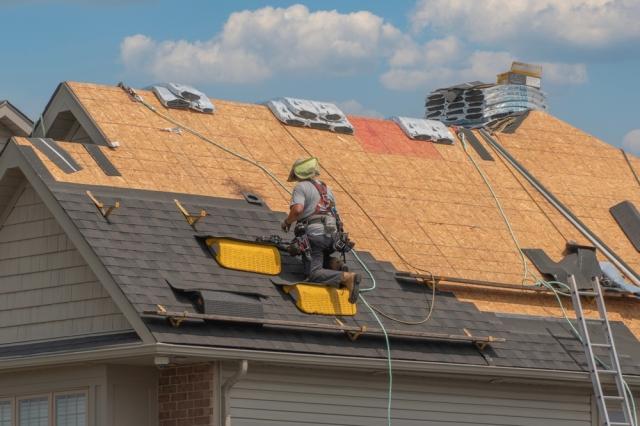
How Much Does It Usually Cost to Replace a Roof?
A new roof is a significant investment for any homeowner. It protects your home from the elements, contributes to its curb appeal, and can even improve energy efficiency. But what does it actually cost to replace a roof? The answer isn't a simple one, as the price can vary widely depending on a number of factors. This article will break down the costs associated with roof replacement, helping you to understand the investment and make an informed decision for your home.
Whether you're dealing with an aging roof, storm damage, or are simply looking to upgrade, understanding the potential costs is the first step. For homeowners in the Columbus area, working with a reputable contractor like Coldstream Exteriors can ensure you get a quality roof at a fair price. This guide will provide you with the knowledge you need to navigate the roof replacement process with confidence.
Average Cost of a New Roof
Nationally, the average cost to replace a roof on a 2,000-square-foot home is around $25,840 [1]. However, this is just a ballpark figure. Most homeowners will spend somewhere between $9,858 and $41,822 for a new roof [1]. Some sources state a lower average of around $11,000, with a typical range of $7,000 to $14,500 [2].
These figures can seem daunting, but it's important to remember that a new roof is a long-term investment. The final price tag will depend on a variety of factors, which we will explore in the next section. Understanding these factors will help you to get a more accurate estimate for your specific project.
Key Factors Influencing Roof Replacement Cost
Several key factors determine the final cost of a roof replacement. Understanding these variables will help you to better estimate the cost for your own home and make informed decisions when choosing materials and contractors.
Roof Size and Pitch
The size of your roof is the most significant factor in determining the cost. A larger roof requires more materials and more labor, which naturally increases the price. The pitch, or steepness, of your roof also plays a role. A steeper roof is more difficult and dangerous to work on, so labor costs will be higher [3].
A Deeper Look at Roofing Materials
The material you choose for your roof is one of the biggest decisions you'll make in this process. It affects not only the cost but also the appearance, durability, and long-term maintenance of your roof. Let's explore some of the most popular roofing materials in more detail.
Asphalt Shingles
Asphalt shingles are the most popular roofing material in the United States. They are affordable, easy to install, and come in a wide variety of colors and styles. The three main types are 3-tab shingles (basic and affordable with a 15-20 year lifespan), architectural shingles (thicker and more textured with a 25-30 year lifespan), and premium shingles (designed to replicate natural materials with a 40+ year lifespan).
While asphalt shingles are a great option for many homeowners, they are not as durable as other materials like metal or slate, and they can be susceptible to damage from high winds and hail.
Metal Roofing
Metal roofing has become increasingly popular due to its durability, longevity, and energy efficiency. Metal roofs can be made from steel, aluminum, copper, or zinc, and come in various colors and styles.
The biggest advantage is lifespan. A well-maintained metal roof can last 50 years or more—two to three times longer than asphalt shingles. Metal roofs are highly resistant to fire, wind, and hail. They are also energy-efficient, reflecting solar heat to reduce cooling costs.
The main downside is the upfront cost. Metal roofing is significantly more expensive than asphalt shingles. However, the long lifespan and low maintenance can make it more cost-effective over time.
Wood Shakes and Shingles
For a natural, rustic look, wood shakes and shingles are an excellent choice. They are typically made from cedar, redwood, or pine. Wood shakes are hand-split with a rugged appearance, while wood shingles are machine-cut with a uniform look.
A wood roof can last for 30-40 years with proper maintenance. However, they require regular cleaning to prevent moss and algae growth, and periodic treatment with fire retardant and preservative. Wood roofs are more susceptible to fire and may not be allowed in all areas.
Tile Roofing
Tile roofs are popular in warmer climates due to their heat and fire resistance. Made from clay or concrete, they come in various styles from traditional Spanish tiles to flat tiles. Tile roofs are extremely durable and can last 50-100 years or more. They are low-maintenance and resistant to rot and insects. The main drawback is their weight, which may require roof structure reinforcement. Tile roofs are also one of the more expensive options.
Slate Roofing
Slate is a natural stone used for centuries as a roofing material. It is one of the most durable options available, with a lifespan of 100 years or more. Slate roofs are fireproof, waterproof, and resistant to rot and insects. They have a beautiful, natural appearance that enhances curb appeal. However, slate is one of the most expensive materials, very heavy (requiring reinforced roof structure), and brittle. Repairs should be left to professionals.
Here is a summary of the average costs for different materials on a 2,000-square-foot roof [1]:
|
Material
|
Average Cost (2,000 sq ft)
|
Cost per Square Foot
|
Lifespan (Years)
|
|
Asphalt Shingles
|
$8,927
|
$4.46
|
30-35
|
|
Steel
|
$17,522
|
$8.76
|
30-50
|
|
Cedar Wood Shingle
|
$21,769
|
$10.88
|
30-35
|
|
Glazed Red Mission Tile
|
$29,417
|
$14.71
|
50-75
|
|
Slate Shingles
|
$29,564
|
$14.78
|
50-75
|
Labor Costs
Labor typically accounts for about 60% of the total roof replacement cost [1]. This includes the cost of tearing off the old roof, preparing the surface, installing the new materials, and cleaning up the site. Labor costs can vary depending on your geographic location, the complexity of your roof, and the experience of the contractor.
Geographic Location
The cost of living in your area will affect both material and labor costs. Roofing contractors in urban areas with a higher cost of living will generally charge more than those in rural areas. Additionally, local building codes and permit fees can add to the overall cost [3].
Condition of the Existing Roof
If your existing roof has significant damage, such as rotted decking or structural issues, the cost of replacement will be higher. These issues will need to be repaired before the new roof can be installed, which will add to the labor and material costs [3].
Other Cost Considerations
Beyond the main factors, there are several other costs that can arise during a roof replacement project. It's important to be aware of these potential expenses so you can budget accordingly.
Debris Disposal
The cost of removing and disposing of the old roofing materials is often included in the contractor's estimate, but it's always a good idea to confirm. This can add a few hundred dollars to the total cost. Some contractors charge separately for disposal, especially if your old roof has multiple layers of shingles.
Permits and Inspections
Most municipalities require a permit for a roof replacement. The cost of the permit and any required inspections will vary depending on your location. Your contractor should handle obtaining the necessary permits, but the cost will typically be passed on to you as part of the total project cost.
Gutters and Downspouts
If your gutters and downspouts are old or damaged, it's a good idea to replace them at the same time as your roof. This will add to the overall cost, but it's more cost-effective to do it all at once. New gutters can help protect your new roof and foundation from water damage.
Skylights and Chimneys
If you have skylights or a chimney, the flashing around them will need to be replaced. This requires extra labor and materials, which will increase the cost. Proper flashing is essential to prevent leaks around these vulnerable areas.
Unexpected Repairs
Sometimes, unexpected issues are discovered once the old roof is removed. This could include rotted decking, water damage, or pest infestations. It's wise to have a contingency fund of 10-15% of the total project cost to cover any unforeseen repairs. A good contractor will inspect the roof deck and alert you to any issues before proceeding with the installation.
How to Save Money on a Roof Replacement
While a new roof is a major expense, there are several ways to save money on the project without sacrificing quality. Here are some tips to help you keep costs down:
Get Multiple Quotes
Don't just go with the first contractor you find. Get at least three to four quotes from different reputable roofing companies. This will give you a better idea of the fair market price in your area and allow you to compare services and warranties. When comparing quotes, make sure they are for the same scope of work and materials.
Choose Your Materials Wisely
As we've seen, the cost of roofing materials can vary significantly. While it may be tempting to go with the cheapest option, it's important to consider the lifespan and durability of the material. A slightly more expensive material with a longer lifespan may be more cost-effective in the long run. For example, metal roofs have a higher upfront cost but can last twice as long as asphalt shingles.
Schedule Your Replacement During the Off-Season
Roofing contractors are busiest during the summer and fall. If you can, schedule your roof replacement for the off-season, which is typically late winter or early spring. You may be able to get a better price as contractors are looking for work during these slower months [4].
Do Some of the Work Yourself
If you're handy and have the time, you can save money by doing some of the work yourself. For example, you could tear off the old shingles yourself. However, be aware that this is a difficult and dangerous job. Make sure you have the proper safety equipment and know what you're doing before you start. It's often best to leave the work to the professionals.
Check Your Insurance
If your roof was damaged by a storm or other covered event, your homeowner's insurance may cover a portion of the replacement cost. Review your policy and contact your insurance agent to see if you're eligible to file a claim.
Signs You Need a New Roof
Knowing when to replace your roof is just as important as knowing the cost. A timely replacement can save you from costly repairs down the road. Here are some common signs that your roof may be nearing the end of its life:
Age of Your Roof
The most obvious sign is the age of your roof. Most asphalt shingle roofs have a lifespan of 20-30 years. If your roof is approaching this age, it's a good idea to start planning for a replacement, even if there are no visible signs of damage [5].
Damaged Shingles
Take a look at your shingles. Are they curled, cracked, or missing? These are all signs that your shingles are worn out and no longer providing adequate protection. You may also notice granules from your shingles in your gutters, which is another sign of deterioration [5].
Leaks and Water Damage
If you notice water stains on your ceilings or walls, it's a clear sign of a leak. Even a small leak can lead to major problems like mold, mildew, and structural damage. It's important to address leaks immediately to prevent further damage.
Sagging Roof Deck
A sagging roof deck is a serious problem that requires immediate attention. It could be a sign of structural damage, such as rotted decking or a problem with the trusses. If you notice any sagging, contact a professional roofer right away.
Moss and Algae Growth
While a small amount of moss or algae isn't necessarily a cause for concern, large patches can indicate that your roof is retaining moisture. This can lead to rot and other problems over time. It's a good idea to have your roof cleaned periodically to prevent moss and algae growth.
Choosing a Reputable Roofing Contractor
Choosing the right roofing contractor is just as important as choosing the right materials. A reputable contractor will ensure that your new roof is installed correctly and will provide a warranty for their work. Here are some tips for choosing a roofing contractor:
Get Recommendations
Ask friends, family, and neighbors for recommendations. You can also check online review sites like Angie's List and HomeAdvisor. Once you have a few names, check their websites and online portfolios to see examples of their work.
Check for Licensing and Insurance
Make sure that any contractor you consider is licensed and insured. This will protect you in case of an accident or damage to your property. You can usually check a contractor's license on your state's licensing board website.
Ask for a Written Estimate
Don't accept a verbal estimate. Get a written estimate from each contractor that details the scope of work, the materials to be used, and the total cost. The estimate should also include a payment schedule and a timeline for the project.
Read the Contract Carefully
Before you sign a contract, read it carefully to make sure you understand all of the terms and conditions. The contract should include a detailed description of the work to be done, the materials to be used, the total cost, and the warranty information. If you have any questions, don't hesitate to ask the contractor.
Don't Pay Everything Upfront
A reputable contractor will not ask you to pay for the entire job upfront. A typical payment schedule is one-third at the start of the project, one-third in the middle, and one-third upon completion. This will give you some leverage if the contractor does not complete the work to your satisfaction.
By following these tips, you can find a reputable roofing contractor who will do a quality job at a fair price. For those in the Columbus area, Coldstream Exteriors is a trusted and experienced choice for all your roofing needs.
Conclusion
Replacing your roof is a significant investment that can protect your home for decades. Costs vary widely, from around $7,000 to over $40,000, depending on roof size, materials, and location. By understanding these factors and doing your research, you can make an informed decision that fits your budget.
Remember to get multiple quotes from reputable contractors, choose materials wisely, and plan for unexpected costs. A new roof is an investment in the safety, comfort, and value of your home. Whether you choose affordable asphalt shingles or premium slate, work with a trusted professional to ensure proper installation.
For homeowners in Columbus looking for quality roofing services, Coldstream Exteriors offers expert installation and customer service you can count on. With the right contractor and materials, your new roof will provide peace of mind and protection for years to come.
References
[1] This Old House. (2025). New Roof Cost Guide (2025). Retrieved from https://www.thisoldhouse.com/roofing/new-roof-cost
[2] Modernize. (2025). How Much Does a Roof Replacement Cost in 2025?. Retrieved from https://modernize.com/roof/cost-calculator
[3] Owens Corning. (n.d.). Roof Replacement Costs Explained. Retrieved from https://www.owenscorning.com/en-us/roofing/blog/roof-replacement-cost
[4] NerdWallet. (2025). Roof Replacement Cost in 2025. Retrieved from https://www.nerdwallet.com/article/mortgages/roof-replacement-cost
[5] Owens Corning. (n.d.). 7 Signs Your Roof May Need To Be Replaced. Retrieved from https://www.owenscorning.com/en-us/roofing/blog/do-i-need-a-new-roof