

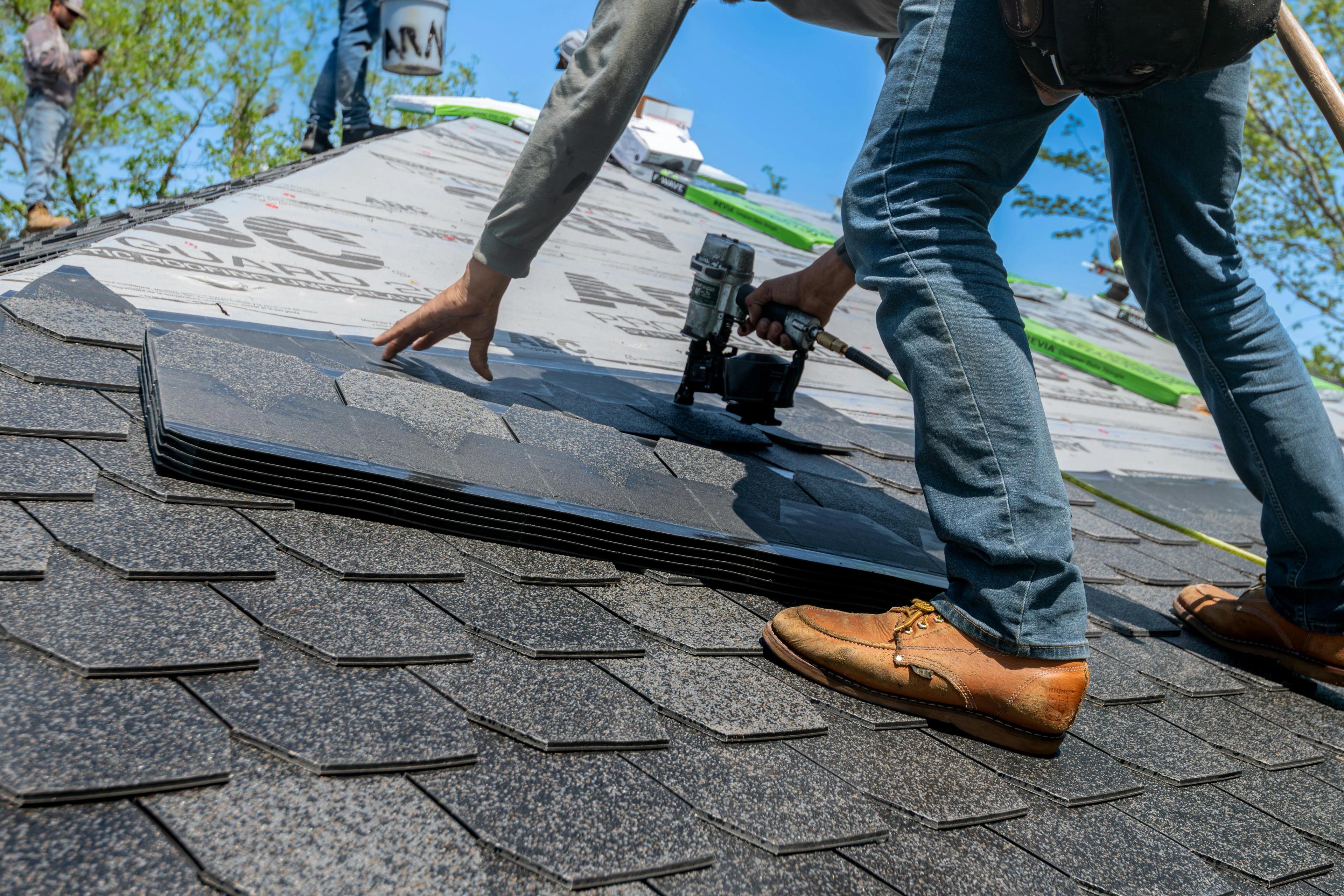
Roofing Insurance
A severe storm just rolled through your Cincinnati neighborhood. Shingles are scattered across the yard, gutters look bent, and you can see daylight through the attic. What happens next can determine whether you pay thousands out of pocket or your insurance covers the full cost. Many Ohio homeowners leave money on the table, or worse, get their claims denied entirely, because they miss a documentation step or a filing deadline. This guide shares practical roof insurance claim tips for Ohio homeowners, Cincinnati area especially, so you can protect your home and your wallet. If your roof already shows signs of storm damage, a licensed contractor like the team offering roof repair in Blue Ash, OH can inspect it before you file.
Ohio sits in one of the most active severe weather corridors in the Midwest. The Greater Cincinnati area, including ZIP codes 45236, 45241, 45242, and 45246, sees hail and high wind events every spring and summer. Knowing how to handle the insurance process from start to finish gives you a clear advantage.
Review Your Homeowners Insurance Policy First
Before you call your insurance company, pull out your policy and read the details. Every policy handles storm damage a little differently, and the fine print matters more than most homeowners realize.
Look for these key items:
Covered perils: Most standard HO-3 policies in Ohio cover wind, hail, fire, and falling objects under dwelling coverage. Confirm your policy lists these perils.
Deductible type: Many Ohio insurers now use a separate wind/hail deductible instead of a flat dollar amount. According to the Insurance Information Institute, these percentage-based deductibles typically range from 1% to 5% of your home's insured value. On a $250,000 home, a 2% wind/hail deductible means $5,000 out of pocket.
Valuation method: Replacement Cost Value (RCV) policies pay the full cost to replace your roof with similar materials. Actual Cash Value (ACV) policies subtract depreciation based on roof age. This single distinction can mean a difference of thousands of dollars.
Check the "Duties After Loss" section for your reporting deadline. Ohio law requires policyholders to notify their insurer within a "reasonable time," but many Ohio policies set their own shorter deadlines. Some wind and hail clauses require notice within six months of the damage event, according to ClaimSpot's Ohio insurance guide. Miss that window and the insurer may deny your claim outright.
Document Every Detail Before Cleanup
Thorough documentation is the single most important factor in a successful roof insurance claim. Start collecting evidence as soon as the storm passes and before you clean up any debris.
Photograph the Damage
Take timestamped photos from every angle. Capture wide shots of the full roof and close-ups of individual damage. Photograph missing shingles, dented flashing, bent gutters, and interior water stains. If hail hit your AC unit or deck furniture, photograph those too. Adjusters look at overall property damage to confirm the storm event.
Record the Storm Event
Visit the NOAA Storm Events Database and search your county and date. Print the report. This official record confirms severe weather in your area and strengthens your case.
Save All Receipts
If you tarp a leaking section or make emergency repairs, keep every receipt. Ohio policies require you to prevent further damage, and most insurers reimburse reasonable temporary repair costs. Do not make permanent repairs before the adjuster inspects.
File Your Claim Promptly
Contact your insurance company as soon as your documentation is in order. Most Ohio insurers allow you to file by phone, online portal, or mobile app. Provide your policy number, the date of the storm, and a brief description of the damage. The insurer will assign a claim number and schedule an adjuster visit.
Ohio gives homeowners up to 365 days from the date of loss in many cases, but filing early is always better. Delays give insurers reason to question whether the damage came from the storm or from normal wear and tear.
Have a Licensed Roofing Contractor Present During the Adjuster Visit
This step alone can change the outcome of your claim. The insurance adjuster works for the insurance company. They follow a process, but they are not there to advocate for you. A licensed roofing contractor who understands storm damage can walk the roof alongside the adjuster and point out details that might otherwise be missed.
A contractor can identify subtle signs like granule loss on asphalt shingles, bruised shingles that feel soft underfoot, or compromised flashing around vents and chimneys. These details matter for the life of your roof but do not always catch the eye during a quick adjuster walkthrough.
If your adjuster's estimate feels low, you have options. Request a re-inspection or submit a supplement with your contractor's detailed estimate. Include line-item pricing, material specifications, and photographs showing additional damage. Insurance companies frequently approve supplemental payments when documentation supports it.
Ohio law also requires that repairs match the existing structure in quality, condition, and appearance. If your insurer wants to replace only a section of shingles but the existing product has been discontinued, you may have grounds to request a full slope or full roof replacement so the repair looks consistent.
Common Claim Pitfalls Ohio Homeowners Face
Even with solid documentation, certain issues trip up Cincinnati-area homeowners more than others.
Separate Wind and Hail Deductibles
As the Ohio Insurance Institute has noted, separate wind/hail deductibles are now standard across much of the Midwest, including Ohio. Many homeowners do not realize they have a percentage-based deductible until they file a claim and see a much larger out-of-pocket cost than expected. Review your declarations page now so you are not surprised later.
Depreciation on Older Roofs
If your roof is over 15 years old, expect the insurer to apply depreciation to the payout, especially on ACV policies. Ohio insurers have increased scrutiny on older roofs in recent years, using depreciation to reduce payments and sometimes declining to renew coverage on roofs past a certain age. If you carry an RCV policy, the insurer may withhold recoverable depreciation until you complete the repairs and submit final invoices.
Denied Claims for "Maintenance Neglect"
Insurance covers sudden, accidental damage. It does not cover problems that develop slowly from lack of upkeep. Adjusters look for signs of pre-existing wear, such as moss growth, cracked caulking, or long-standing leaks. If they determine the damage existed before the storm, they can deny the claim or reduce the payout.
The best defense is annual roof maintenance and a documented inspection history. If a licensed contractor inspected your roof within the past year and noted it was in good condition, that report becomes powerful evidence against a neglect argument.
Cosmetic Damage Exclusions
Some Ohio policies now exclude "cosmetic" hail damage. If hail dented your shingles but did not crack them or affect water resistance, the insurer may deny the claim. Read your policy and ask your agent about this clause before storm season.
What to Do If Your Claim Is Denied or Underpaid
A denial is not always the final word. Ohio homeowners have several options.
Request a re-inspection with a different adjuster and have your contractor present.
File a supplement with additional photos, a contractor estimate, and the NOAA storm report.
Invoke the appraisal clause in your policy if a dispute over the amount exists. Each side hires an appraiser, and a neutral umpire resolves the difference.
File a complaint with the Ohio Department of Insurance at 1-800-686-1526. The department investigates and can hold insurers accountable for unfair practices.
Consult a property damage attorney who works on contingency if you believe the denial is in bad faith.
According to United Policyholders, Ohio Administrative Code 3901-1-54 lists unfair claim practices insurers must avoid, including unreasonable delays and failure to explain denials in writing. Knowing your rights gives you real leverage.
Conclusion
Filing a roof insurance claim in Ohio after storm damage does not have to be overwhelming. The process comes down to preparation, timing, and documentation. Review your policy before storm season. Photograph everything immediately after damage. File promptly and have a licensed contractor present for the adjuster's visit. If the payout falls short, use supplements, appraisals, and state resources to push for fair compensation.
Cincinnati-area homeowners in Blue Ash, Sharonville, West Chester, and Montgomery deal with hail and wind damage regularly. The homeowners who recover the most are the ones who understand the process from day one. If you need a professional damage assessment, reach out to experienced roofing contractors in Cincinnati, OH who understand both the repair work and the insurance process.
Frequently Asked Questions
How long do I have to file a roof insurance claim in Ohio?
Ohio law requires "reasonable" notice, but most policies set specific deadlines. Many wind and hail clauses require filing within six months to one year from the date of the storm. Check your policy's "Duties After Loss" section for the exact deadline. Filing within the first 30 days is safest.
Will my insurance premiums go up if I file a storm damage claim?
Weather-related claims generally do not trigger rate increases on an individual policy. However, if a large storm affects many homes in your area, your insurer may raise rates across the region. Multiple claims within five years on the same property can also lead to higher premiums or non-renewal.
What is the difference between RCV and ACV for roof claims?
Replacement Cost Value (RCV) pays the full cost to replace your roof with materials of similar kind and quality. Actual Cash Value (ACV) subtracts depreciation based on the roof's age and condition. An RCV policy on a 12-year-old roof might pay $15,000, while an ACV policy on the same roof might only pay $8,000 after depreciation.
Should I file the claim myself or hire a public adjuster?
You can file the claim yourself. Most homeowners do. However, if the damage is extensive, the insurer's estimate feels very low, or your claim gets denied, a public adjuster can negotiate on your behalf. Public adjusters in Ohio are licensed by the state and typically charge 10% to 15% of the claim settlement.
Can my insurance company deny my claim for an older roof?
Yes, age alone is not a reason to deny a covered claim, but insurers can apply heavy depreciation to older roofs and may exclude certain types of damage. If your roof is over 15 to 20 years old, expect more scrutiny. Some carriers will not write or renew policies on roofs past a certain age. Annual maintenance records and a recent inspection report help support your claim regardless of roof age.