

Pros and Cons of Gutter Guards: What Cincinnati Homeowners Should Know Before Buying
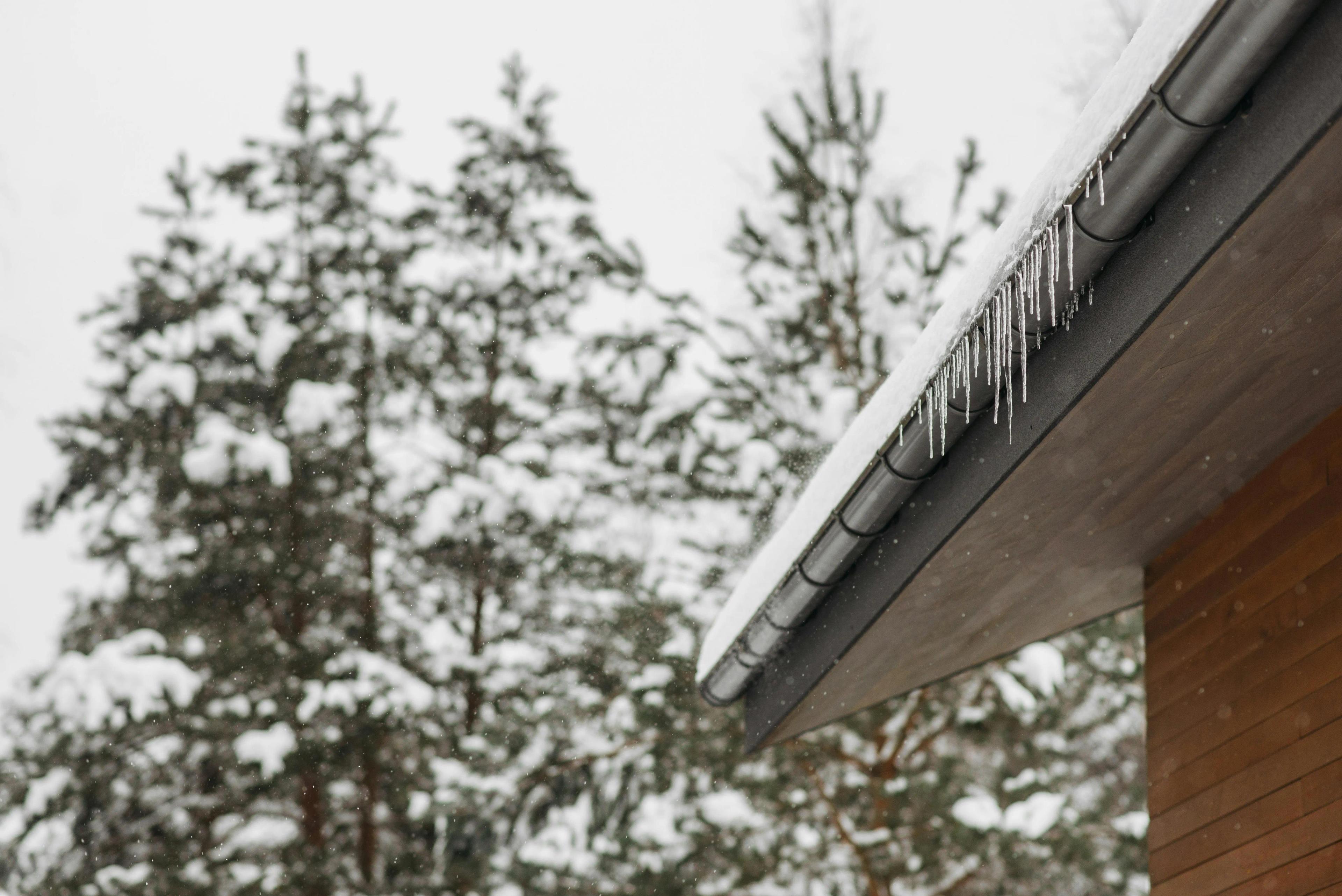
Pros and Cons of Gutter Guards
Cincinnati sits under one of the densest urban tree canopies in the Midwest. City data shows canopy coverage reached nearly 39% in recent years, thanks to decades of planting through programs like Cincinnati Parks' Fall ReLeaf. That means oak, maple, sweetgum, and sycamore trees shade thousands of homes across Hyde Park, Mount Lookout, Anderson Township, and beyond. It also means gutters fill fast, sometimes within weeks of a cleaning.
If you have been researching the pros and cons of gutter guards in Cincinnati, OH, you are asking the right question at the right time. Guards promise less maintenance, fewer clogs, and better water management. Some deliver on that promise. Others fall short. This guide breaks down what actually works, what does not, and how to make a smart decision for your home. If you want to explore product options and professional installation, Coldstream Exteriors offers gutter guard services in Cincinnati backed by over 25 years of local experience.
Why Cincinnati Homes Need Gutter Protection More Than Most
Cincinnati's Ohio River Valley climate creates a four-season assault on your gutter system. Spring brings sticky pollen from hickory and pine trees. Summer thunderstorms dump inches of rain in minutes. Fall drops heavy loads of maple, oak, and sweetgum leaves from October through November. Winter freeze-thaw cycles turn trapped moisture into ice dams.
The city averages over 44 inches of annual rainfall. Neighborhoods like Clifton, Mount Adams, and Indian Hill sit under mature canopies that shed constantly. Homes in ZIP codes 45208, 45227, 45230, and 45243 face frequent gutter clogs because of surrounding tree density. Without functioning gutters, water pools around foundations, seeps into basements, and rots roof decking.
The Four Main Types of Gutter Guards and How They Perform in Ohio
Not all gutter guards work the same way, and performance varies based on climate and debris type. Here is a practical breakdown of the four most common systems.
Micro-Mesh Guards
Micro-mesh guards use a fine stainless steel screen, typically 50 to 100 microns, mounted on an aluminum frame. They block nearly all debris, including pine needles, shingle grit, and seed pods.
Best for: Homes under heavy tree cover with mixed debris types
Lifespan: 20 to 25 years with proper installation
Cost: $15 to $30 per linear foot installed
Ohio performance: Handles maple leaves, oak acorns, and spring pollen well. The fine mesh prevents the sticky pollen buildup common in Greater Cincinnati springs.
Reverse-Curve (Surface Tension) Guards
These solid aluminum panels use surface tension to guide water into the gutter while debris slides off the edge. They require professional installation and often involve lifting roof shingles.
Best for: Homes with large leaf debris and moderate rainfall
Lifespan: 20+ years
Cost: $3.50 to $6 per linear foot for materials, plus installation
Ohio performance: Works well with large leaves but can struggle during Cincinnati's heavy summer downpours. Water may overshoot the curve during intense rain events. Small debris like maple seeds and pine needles can still enter.
Foam Inserts
Foam guards are porous blocks that sit inside the gutter trough. Water passes through the foam while debris sits on top.
Best for: Budget-conscious homeowners looking for a quick DIY fix
Lifespan: 1 to 3 years
Cost: $1.50 to $4 per linear foot
Ohio performance: Degrades quickly in Cincinnati's humid summers. Foam absorbs moisture, which encourages mold and moss growth. Seeds from sweetgum and maple trees can root directly in the foam, creating new clogs.
Brush Guards
Brush guards are cylindrical bristle inserts that sit in the gutter channel. Large debris rests on top of the bristles while water flows around them.
Best for: Homes with minimal tree cover needing basic protection
Lifespan: 3 to 5 years
Cost: $2 to $4 per linear foot
Ohio performance: Collects small debris within the bristles over time, particularly pine needles, shingle granules, and fine pollen. Requires removal and cleaning at least once per season. Not ideal for Cincinnati neighborhoods with heavy canopy cover.
The Real Advantages of Gutter Guards
Gutter guards provide real benefits when you choose the right system for your home and local conditions.
Reduced cleaning frequency. Most homeowners go from cleaning gutters every three months to once a year or less. A 2025 survey found that 42% of gutter guard owners saved four to eight hours of routine cleaning annually.
Foundation and basement protection. Properly flowing gutters direct water away from your home's base. This matters in Cincinnati, where most homes have basements and clay-heavy soil holds moisture against foundations.
Less risk of ice dams. Clearing debris before winter reduces trapped moisture that freezes during Cincinnati's December-through-February freeze-thaw cycles.
Pest prevention. Open gutters filled with wet leaves attract birds, squirrels, mosquitoes, and carpenter ants. Guards remove the nesting environment.
Extended gutter lifespan. Standing water and debris accelerate rust and corrosion. Guards reduce both.
The Honest Drawbacks You Should Consider
No gutter guard system is perfect. Understanding the downsides helps you set realistic expectations.
Upfront cost can be significant. Professional micro-mesh installation on a 200-linear-foot home typically costs $3,000 to $6,000.
Guards are not maintenance-free. You still need occasional inspections and surface cleaning. Shingle grit and pollen can accumulate on top of any guard system.
Some types fail quickly. Foam and brush guards degrade within a few years in humid climates like Cincinnati's. Replacing cheap guards every two to three years eliminates the cost savings.
Poor installation causes problems. Guards installed with incorrect pitch or loose fasteners can trap water, void roof warranties, or pull gutters from the fascia.
Heavy debris can still accumulate on top. Wet maple leaves and oak debris can mat down on mesh surfaces and block water flow during heavy rain.
Do Gutter Guards Pay for Themselves Over Time?
This is the question most homeowners want answered. The math depends on your specific situation.
Professional gutter cleaning in the Cincinnati area costs between $120 and $235 per visit. Most homes need two to four cleanings per year, putting annual costs at $240 to $940. Over ten years, that totals $2,400 to $9,400 in cleaning costs alone.
A quality micro-mesh system runs $3,000 to $6,000 and lasts 20 to 25 years. If your home is surrounded by mature trees and you clean gutters three or more times per year, guards pay for themselves within five to eight years. Factor in avoided water damage to your foundation or basement, and the return improves further.
For homes with minimal tree cover and low cleaning needs, annual professional cleaning may be more cost-effective than a full guard system.
Why Professional Gutter Installation Matters More Than the Guard Itself
The best gutter guard in the world fails if the underlying gutter system has problems. Seamless gutters with proper pitch, secure hangers, and correctly sized downspouts create the foundation for any guard system to work.
Common issues that undermine guard performance include sagging sections that pool water, undersized downspouts that cannot handle Cincinnati's heavy rainfall, and worn fascia boards that pull away from the roofline. Before adding guards, have a professional evaluate your existing gutter system. An experienced gutter guard installer in Cincinnati will assess your roof's pitch, measure drainage requirements, and recommend the right combination of gutter size and guard type for your home.
How to Choose the Right Gutter Guard for Your Cincinnati Home
Selecting the right system means matching your home's conditions with the guard's strengths.
Heavy tree cover with mixed debris (leaves, needles, seeds): Micro-mesh is the strongest option for Greater Cincinnati homes.
Large-leaf trees only (oak, maple, sycamore): Reverse-curve or quality screen guards work well at a lower price point.
Minimal tree cover: Basic screen guards or regular cleaning may be sufficient.
Multi-story or steep roofline: Always use professional installation to avoid safety risks and installation errors.
Get multiple quotes from local contractors. Ask about warranty coverage, material quality, and whether the installation includes a gutter system inspection.
Conclusion
The pros and cons of gutter guards come down to product choice, installation quality, and your home's specific needs. For Cincinnati homeowners dealing with heavy leaf fall from mature hardwoods, a quality micro-mesh guard installed by a licensed professional is a solid long-term investment.
Budget options like foam and brush inserts deteriorate fast in Cincinnati's humid climate and create more problems than they solve. And even the best guard cannot compensate for a failing gutter system underneath it. Start with an honest evaluation of your gutters, your tree cover, and your budget. The right system, installed correctly, saves thousands of dollars and hours of maintenance over its lifetime.
Frequently Asked Questions About Gutter Guards
Are gutter guards a waste of money?
Not if you choose the right type. Micro-mesh and quality screen guards reduce cleaning frequency and protect against water damage. Budget options like foam inserts often fail within two years. Homes surrounded by mature trees in areas like Anderson Township (45230) or Indian Hill (45243) benefit most from professional-grade guards.
What type of gutter guard works best with pine needles?
Micro-mesh guards with fine stainless steel screening (50 to 100 microns) are the only reliable option for blocking pine needles. Standard screens, reverse-curve guards, and brush inserts all allow needles to pass through.
How often do you still need to clean gutters with guards installed?
Most homeowners with quality guards clean gutters once a year or less. You should still do a visual inspection each spring and fall to check for surface buildup, especially after heavy storms.
Can gutter guards cause ice dams in Ohio winters?
Properly installed guards help prevent ice dams by keeping gutters clear of debris that traps moisture. Poorly installed guards with incorrect pitch can make ice problems worse. Correct installation with proper drainage slope is critical for Cincinnati's freeze-thaw pattern.
Should I install gutter guards myself or hire a professional?
For basic snap-on screens on a single-story home, DIY is possible. For micro-mesh systems, reverse-curve guards, or multi-story homes, professional installation is strongly recommended. Incorrect installation can void warranties or create drainage problems.