

Tub-to-Shower Conversion: Cost, ROI, and What Cincinnati Homeowners Should Know
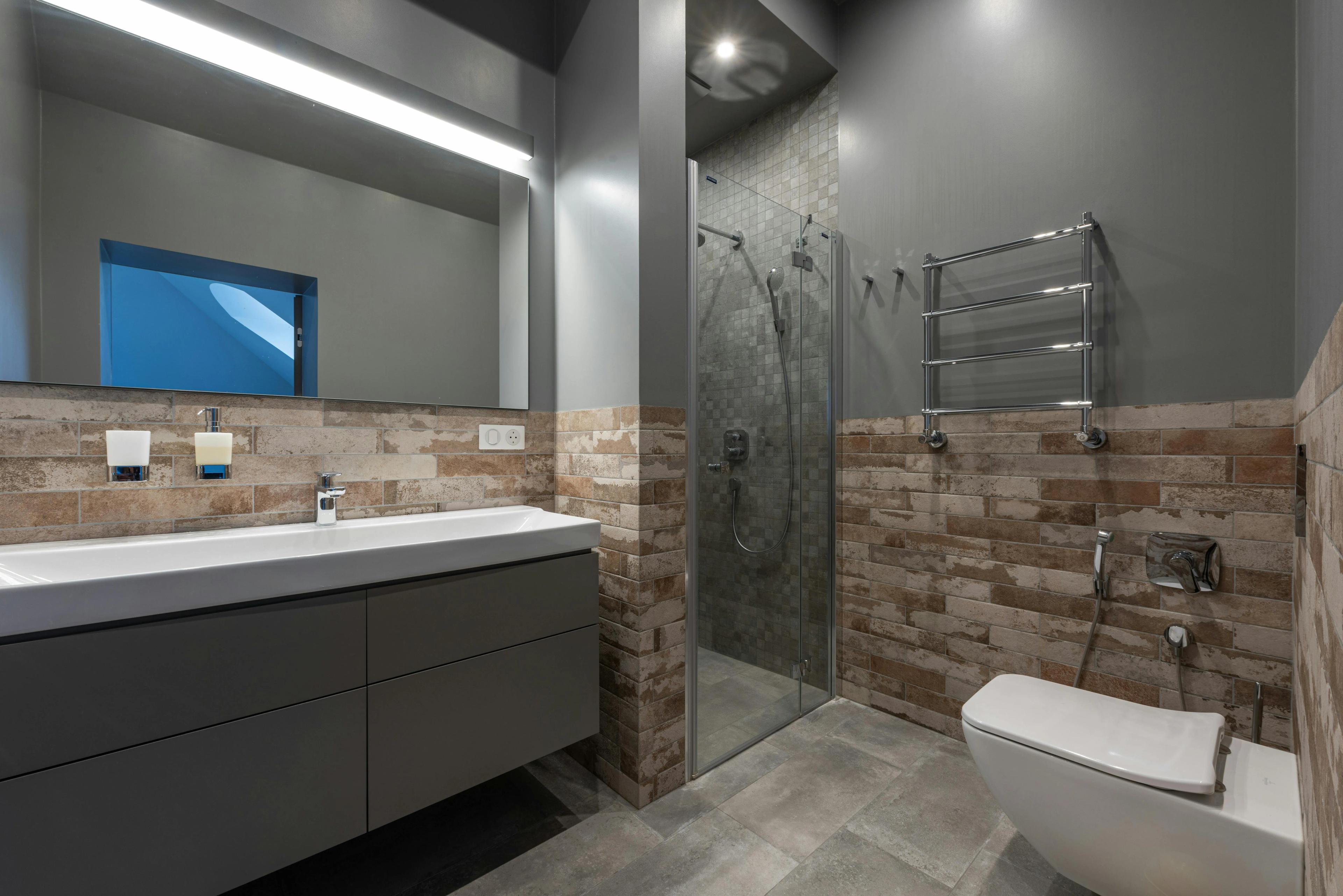
Tub-to-Shower Conversion
Walk-in showers top the list of bathroom upgrade requests across Greater Cincinnati. Homeowners in neighborhoods like Hyde Park, Anderson Township, and Mason want more space, better access, and a modern look. But many hesitate. The biggest concern? Whether removing a tub will hurt their home's resale value. A bathroom renovation in Cincinnati can answer that question with the right planning. This guide breaks down what a tub to walk in shower conversion in Cincinnati, OH actually costs, when it helps your home's value, and when keeping a tub makes more sense.
Whether you own a split-level in Fairfield (45014) or a colonial in West Chester (45069), understanding the numbers helps you make a confident decision.
What Does a Tub-to-Shower Conversion Cost in Cincinnati?
The price of converting a bathtub into a walk-in shower depends on scope, materials, and labor. According to data from Angi and This Old House, here is what homeowners can expect nationally.
Prefab shower stall kit with installation: $1,500 to $8,000
Custom tile walk-in shower: $3,500 to $15,000
Curbless or barrier-free shower: $6,000 to $10,000+
Most homeowners land around $3,000 for a standard conversion. In the Cincinnati metro area, labor rates and permit costs can shift these figures slightly. Ohio requires permits for projects that involve plumbing changes, and those permits typically cost $200 to $800 depending on your municipality.
What Drives the Cost Up or Down?
Several factors control your final price. Shower type matters most. A prefab acrylic surround costs far less than hand-laid porcelain tile. Material choices like natural stone or large-format tile add to both material and labor costs.
Plumbing changes also affect the budget. If your new shower drain sits in the same spot as the old tub drain, costs stay lower. Moving a drain or rerouting supply lines adds $500 to $2,000 in plumbing work alone. Cincinnati homes built before 1970, common in neighborhoods like Norwood (45212) and Cheviot (45211), may need pipe upgrades once walls open up.
Other cost factors include glass door style (framed vs. frameless), built-in features like benches or niches, and tile pattern complexity. Labor typically accounts for 40% to 60% of the total project cost.
Tub-to-Shower Conversion vs. Full Bathroom Remodel
A tub-to-shower conversion and a full bathroom remodel serve different goals. Understanding the difference helps you pick the right project for your budget.
A conversion focuses on one fixture. You remove the tub, adjust plumbing, waterproof the area, and install a new shower. The rest of the bathroom stays the same. This keeps costs between $1,500 and $15,000 depending on finish level.
A full bathroom remodel replaces everything. New vanity, new toilet, updated flooring, fresh lighting, and often layout changes. According to the 2025 Cost vs. Value Report, a midrange bathroom remodel in the Midwest averages about $25,000 to $26,000. Cincinnati-area homeowners report spending $6,600 to $16,400 on average for mid-level projects.
If your only goal is replacing an unused tub with a more functional shower, a conversion delivers the change you want at a fraction of the full-remodel price. If your entire bathroom needs updating, a complete renovation makes more financial sense per dollar spent.
When Removing a Tub Helps Resale Value
Not every tub removal hurts your home's appeal. In several common scenarios, a walk-in shower adds value and speeds up a sale.
Homes with Multiple Bathrooms
If your Cincinnati home has two or more full bathrooms, converting one tub to a shower rarely causes problems. Buyers expect at least one tub somewhere in the house. Keeping a tub in a hall or secondary bathroom satisfies that expectation while giving the primary bathroom a spacious, updated shower.
Aging-in-Place Upgrades
Cincinnati's population includes a growing number of homeowners over 55. Communities in areas like Blue Ash (45242), Loveland (45140), and Montgomery (45242) see strong demand for accessible bathroom features. A curbless walk-in shower with grab bars and a built-in bench appeals directly to this buyer group. The National Association of Realtors' 2025 Remodeling Impact Report gave bathroom renovations a Joy Score of 9.8 out of 10, one of the highest ratings of any remodeling project.
Small Bathroom Footprints
Many Cincinnati homes, especially older builds in neighborhoods like Oakley (45209) and Pleasant Ridge (45213), have compact bathrooms. A bulky tub in a 5x7-foot bathroom eats valuable floor space. Replacing it with a sleek walk-in shower makes the room feel larger and function better.
When Keeping the Tub Makes More Sense
There is one clear scenario where removing a tub can work against you. If your home has only one bathroom and only one tub, think carefully before converting it.
Families with young children often view a bathtub as a must-have. According to HomeLight research, removing the only tub in a home can narrow your buyer pool, especially in family-oriented neighborhoods. If your home sits in a school district that attracts young families, like those in Mason (45040) or Indian Hill (45243), keeping at least one tub protects your resale flexibility.
The general rule from real estate professionals is simple. Keep at least one tub in the house. Beyond that, converting additional tubs to showers typically adds value and buyer appeal.
Design Options That Maximize a Small Bathroom
A tub-to-shower conversion is a chance to rethink your bathroom layout. These design choices make the most of limited square footage.
Curbless Entry
A curbless (zero-threshold) shower removes the step-over barrier entirely. This creates a seamless floor line from bathroom to shower. It works well for accessibility and makes small bathrooms feel more open. Curbless showers require precise floor sloping for proper drainage, so professional installation is important.
Linear Drains
Traditional center drains limit tile layout options. A linear drain sits along one wall, allowing the entire floor to slope in a single direction. This simplifies waterproofing and opens up design possibilities with large-format tiles that would crack over a multi-slope center drain.
Frameless Glass Enclosures
A frameless glass panel or door lets light pass through without visual interruption. In a small bathroom, this makes the space feel nearly twice its actual size. Frameless glass costs more than framed options but delivers a clean, modern look that photographs well for future listings.
Built-in Niches and Corner Shelving
Recessed niches carved into the shower wall provide storage without stealing floor space. They eliminate the need for hanging caddies or freestanding shelves. Most contractors recommend at least one niche at chest height and one at knee height for practical daily use.
Understanding ROI on Bathroom Upgrades
Return on investment matters, but it is not the only way to measure value. According to the 2025 NAR/NARI Remodeling Impact Report, bathroom renovations recover roughly 74% to 80% of their cost at resale for midrange projects. The JLC Cost vs. Value Report puts the national recoup rate for a midrange bathroom remodel at about 74%.
A tub-to-shower conversion typically costs less than a full remodel. That lower entry point means you risk less money while still gaining the daily comfort and visual update you want. And for homes targeting buyers over 55 or located in areas with strong demand for accessible features, the ROI can exceed standard averages.
The real return often goes beyond dollars. Homeowners report higher satisfaction, better daily function, and reduced cleaning time after converting to a walk-in shower. The NAR's Joy Score of 9.8 for bathroom renovations supports this.
If you are planning a bathroom remodeling project in Cincinnati, working with a local contractor who understands Ohio building codes and regional buyer preferences ensures your investment pays off on both fronts.
Conclusion
A tub to walk-in shower conversion gives Cincinnati homeowners a practical, cost-effective way to modernize a bathroom. The project typically costs $1,500 to $15,000 depending on materials and scope. Resale impact depends on one key factor: whether you keep at least one tub in the home. If you do, converting additional tubs to showers almost always adds value, especially in homes targeting buyers over 55 or located in areas where accessibility features are in demand.
Design choices like curbless entries, linear drains, and frameless glass enclosures help small bathrooms feel larger and function better. And the ROI data supports the investment. Midrange bathroom projects recover 74% to 80% of costs at resale, with homeowner satisfaction scores near perfect.
Cincinnati neighborhoods from Anderson Township (45230) to Liberty Township (45044) all benefit from this upgrade. The key is matching your conversion scope to your home's bathroom count, your neighborhood's buyer profile, and your personal comfort goals.
Frequently Asked Questions
How long does a tub-to-shower conversion take?
Most standard conversions take one to three days. Custom tile work or plumbing relocations can extend the timeline to five to seven days. Prefab acrylic surrounds install faster than hand-laid tile, often completing in a single day.
Does removing a bathtub lower home value?
It depends on how many bathrooms your home has. Removing the only tub in a house can narrow your buyer pool, especially among families with young children. If your home has two or more bathrooms, converting one tub to a shower typically adds value through improved function and modern appeal.
Do I need a permit for a tub-to-shower conversion in Cincinnati?
Yes, most municipalities in Hamilton County require a permit for projects involving plumbing changes. Permit costs in the Cincinnati area range from $200 to $800. Your contractor should handle the permit application and any required inspections.
What is the best shower material for a conversion?
Acrylic and fiberglass offer the lowest cost and simplest maintenance. Porcelain and ceramic tile provide more design flexibility at a mid-range price point. Natural stone, like marble or travertine, delivers a premium look but costs significantly more and requires regular sealing.
Can I convert a tub to a walk-in shower in a small bathroom?
Yes, and it often improves the room. A standard tub takes up roughly 13 to 15 square feet. Replacing it with a walk-in shower using a curbless design and frameless glass opens up the space visually. Built-in niches and a linear drain keep the design clean and functional without adding bulk.
Is a curbless shower a good choice for older homeowners?
A curbless shower is one of the best accessibility upgrades available. It eliminates the step-over threshold, reducing fall risk. Paired with grab bars, a built-in bench, and a handheld showerhead, it supports safe, independent bathing for years. This setup also appeals to a broad range of buyers at resale.