

Vinyl Siding vs. Fiber Cement Siding in Cincinnati, OH: Cost, Durability, and Curb Appeal Compared
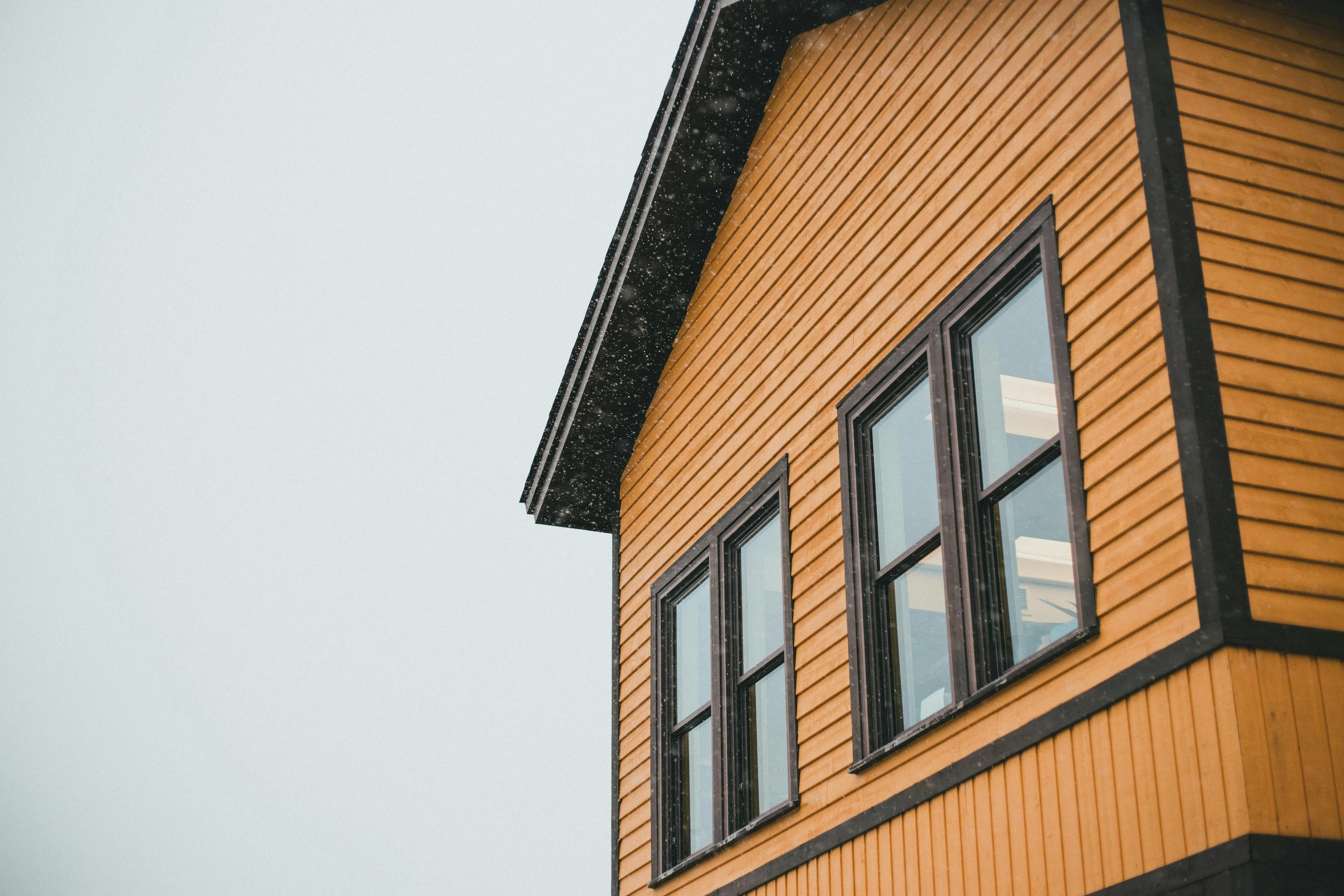
Siding in Cincinnati, OH
If you are planning a siding upgrade in Greater Cincinnati, you have likely narrowed your search to two of the most popular exterior cladding options on the market. Choosing siding services that match your home, your budget, and the Ohio Valley climate is a decision that affects your property for decades. This guide breaks down vinyl siding vs. fiber cement siding in Cincinnati, covering upfront cost, long-term value, weather performance, maintenance, and warranty differences so you can make an informed choice.
Cincinnati homeowners across ZIP codes 45202, 45219, 45236, and 45238 deal with a climate that punishes exterior materials. Summer humidity reaches 70 percent. Winter lows dip below 10 degrees Fahrenheit. Hailstorms and sudden temperature swings are common spring through fall. Your siding must handle all of it.
What Sets These Two Siding Materials Apart
Vinyl siding is made from polyvinyl chloride (PVC) resin. It is lightweight, flexible, and produced in a wide range of colors and profiles. Standard residential vinyl ranges from 0.040 to 0.046 inches thick, while premium grades exceed 0.050 inches.
Fiber cement siding blends Portland cement, sand, cellulose fibers, and water into dense, rigid panels typically 5/16 to 5/8 inches thick. James Hardie, the dominant manufacturer, holds roughly 90 percent of the North American fiber cement market. Their products are engineered for specific climate zones, which matters for Ohio Valley homes.
Both materials mimic natural wood. Fiber cement allows deeper embossing and grain texture because of its thickness, while vinyl panels are thinner and less realistic.
Upfront Cost and Long-Term Value in the Cincinnati Market
Cost is often the deciding factor for homeowners. Below is how the two materials compare for a typical 2,000-square-foot siding project in the Greater Cincinnati area.
Vinyl siding material and installation: $3 to $8 per square foot. A full project typically runs $12,000 to $18,000, depending on grade and home complexity.
Fiber cement siding material and installation: $5 to $14 per square foot. A full project typically runs $18,000 to $28,000, with James Hardie products at the higher end.
Vinyl clearly wins on upfront affordability. However, cost per year of service tells a different story. Fiber cement can last 50 years or longer with proper care. Standard vinyl typically lasts 20 to 40 years before fading and brittleness force replacement.
According to Remodeling Magazine's Cost vs. Value Report, fiber cement siding replacement recoups around 84 percent of project cost at resale. Vinyl siding recoups roughly 75 to 85 percent. Both rank among the top exterior upgrades for return on investment, but fiber cement tends to perform better in markets where buyers value premium curb appeal.
For Cincinnati homeowners in neighborhoods like Hyde Park, Mount Lookout, and Anderson Township, where home values trend higher, the resale advantage of fiber cement is worth considering. In more budget-conscious areas like Westwood or Price Hill, vinyl delivers solid protection at a lower entry point.
How Each Siding Type Handles Cincinnati Weather
The Ohio Valley puts exterior cladding through a rigorous test every year. Cincinnati's humid subtropical climate (classified Cfa under the Köppen system) produces hot, muggy summers with highs in the mid-80s and cold winters with lows in the 20s. The roughly 60-degree temperature swing between seasons creates expansion and contraction cycles that stress siding materials.
Humidity and Moisture Resistance
Cincinnati averages about 45 inches of rainfall per year, with relative humidity between 60 and 74 percent. Fiber cement resists moisture well when sealed and caulked properly. It will not rot, warp, or support mold growth. Vinyl is inherently waterproof because PVC does not absorb water. However, poor installation can trap moisture behind panels and damage sheathing.
Hail and Impact Damage
Southwest Ohio produces hailstorms from spring through fall. Fiber cement is denser and more impact-resistant than vinyl. Standard vinyl panels can crack or puncture under moderate hail. For homes in ZIP codes 45040 (Mason) and 45069 (West Chester), where open terrain increases hail exposure, fiber cement offers a clear durability advantage.
Temperature Swings and Thermal Movement
Vinyl expands and contracts with temperature changes. In extreme cold, it becomes brittle. In extreme heat, dark-colored panels can warp. Fiber cement is far more dimensionally stable across temperature ranges. This matters in a city where a 50-degree temperature shift can happen within 24 hours during spring or fall.
Fire Resistance
Fiber cement carries a Class 1(A) fire spread rating, the highest available. It is non-combustible and will not release toxic fumes. Vinyl melts under high heat and is flammable. Some insurance carriers offer reduced premiums for homes clad in fiber cement.
Maintenance Requirements Over the Life of Each Material
Maintenance expectations vary significantly between these two options. Here is what to plan for after installation.
Vinyl Siding Maintenance
Cleaning: Rinse with a garden hose and mild detergent once or twice a year to remove dirt, pollen, and mildew.
Repainting: Not required. Color is baked into the material during manufacturing.
Repairs: Individual damaged panels can be popped out and replaced. Repair costs run $2 to $4 per square foot.
Fading: Colors will gradually fade over 15 to 20 years, especially on south-facing walls. Darker colors fade faster.
Fiber Cement Siding Maintenance
Cleaning: Annual wash with a garden hose or pressure washer on a low setting.
Repainting: Required every 10 to 20 years, depending on sun exposure. James Hardie's ColorPlus factory-finished products hold color longer than field-painted boards.
Caulking: Joints and seams need inspection and re-caulking every few years to prevent water intrusion behind the panels.
Repairs: Damaged boards cost $4 to $7 per square foot to replace. Fiber cement is heavier, so repairs usually require a professional.
Vinyl is the lower-maintenance choice overall. If you want a siding material that you can largely ignore after installation, vinyl fits that role. Fiber cement rewards attentive homeowners who keep up with periodic repainting and caulk inspections by lasting significantly longer.
Warranty Coverage Differences
Warranty terms reveal how much each manufacturer trusts the longevity of their product.
Vinyl Siding Warranties
Most manufacturers offer 25- to 40-year warranties. Many are prorated, meaning coverage decreases over time. A warranty might depreciate by roughly 2 percent per year. Coverage exclusions for fading, warping, and wind damage are common.
Fiber Cement Siding Warranties
James Hardie provides a 30-year non-prorated, transferable limited warranty on its siding substrate. The ColorPlus factory finish carries an additional 15-year warranty covering peeling, cracking, and chipping. The non-prorated structure means coverage does not diminish over time, and it transfers to one subsequent homeowner, adding resale value.
For Cincinnati homeowners planning to stay long-term, Hardie's warranty is a meaningful differentiator. For those who may sell within 10 to 15 years, the transferable coverage is a selling point vinyl cannot match.
Curb Appeal and Design Flexibility
Vinyl comes in the widest selection of colors, profiles, and decorative styles, including clapboard, Dutch lap, board and batten, and cedar shake replicas. However, painting vinyl voids most warranties, so homeowners are locked into their original color.
Fiber cement can be repainted any color at any time. James Hardie's ColorPlus Technology line includes over 700 factory-applied finishes. The deeper textures and embossing create dimension that more closely resembles real wood grain. In Cincinnati's established neighborhoods with traditional architecture, fiber cement's depth and character stand out. In newer subdivisions across Liberty Township and Fairfield (ZIP codes 45044 and 45014), vinyl remains dominant because builders favor its lower installed cost.
Energy Efficiency Comparison
Standard vinyl has an R-value of about 0.6, while fiber cement comes in at roughly 0.5. Neither provides significant insulation alone. However, insulated vinyl siding with foam backing raises the R-value to 1.8 or higher, reducing thermal bridging and cutting heating and cooling costs by 10 to 20 percent. Fiber cement does not have a comparable insulated product, though rigid foam can be added underneath during installation. For Cincinnati homes that need both heating and air conditioning, insulated vinyl offers a practical energy edge.
Choosing the Right Siding for Your Cincinnati Home
Choose vinyl if upfront budget is your primary concern, you prefer minimal maintenance, or you want insulated siding to improve energy efficiency.
Choose fiber cement if you value long-term durability, premium curb appeal, fire resistance, and a non-prorated warranty.
Both materials outperform wood in maintenance and lifespan. Both resist rot and insect damage. And both can transform your home when installed by a qualified siding contractor in Cincinnati, OH.
Conclusion
Vinyl siding and fiber cement each bring clear strengths to a Cincinnati siding project. Vinyl delivers affordability, easy maintenance, and solid weather protection. Fiber cement offers superior durability, fire resistance, and a refined appearance that boosts resale value. Cincinnati's humid summers, cold winters, and spring hailstorms demand a material that handles wide temperature swings and moisture. Both meet that challenge when installed correctly.
Start with an honest assessment of your budget, your home's style, and how long you plan to stay. Whether you lean toward vinyl or fiber cement, investing in professional installation and quality-grade products will protect your home for decades.
Frequently Asked Questions
Is fiber cement siding worth the extra cost over vinyl in Cincinnati?
For homeowners planning to stay 15 years or longer, fiber cement often delivers better lifetime value. Its 50-plus-year lifespan, non-prorated warranty, and higher resale return offset the greater upfront expense. If budget is tight and you plan to move within a decade, vinyl is a practical choice.
How does Cincinnati's humidity affect vinyl and fiber cement siding?
Cincinnati's humidity (60 to 74 percent year-round) has minimal impact on vinyl because PVC does not absorb water. Fiber cement also performs well, as long as caulk joints stay maintained and the paint finish remains intact. Neglected fiber cement can absorb moisture at exposed edges.
Can vinyl siding handle Ohio hailstorms?
Standard-thickness vinyl can crack or dent under moderate hail. Premium vinyl (0.050 inches and above) offers better resistance but still falls short of fiber cement in impact testing. Homeowners in hail-prone areas may want thicker vinyl grades or fiber cement.
How often does fiber cement siding need to be repainted?
Field-painted fiber cement typically needs repainting every 10 to 15 years. James Hardie's ColorPlus products carry a 15-year finish warranty and often last longer. Cincinnati's freeze-thaw cycles influence how quickly paint degrades, especially on south-facing walls.
Does either siding material lower homeowners insurance premiums?
Fiber cement can reduce premiums because of its Class 1(A) fire rating. Some Ohio insurers offer discounts for non-combustible exterior cladding. Vinyl does not typically qualify for fire-resistance discounts. Contact your insurance agent for specifics.