

What Happens If Damaged Siding Is Left Untreated and How Much Can It Cost You Later
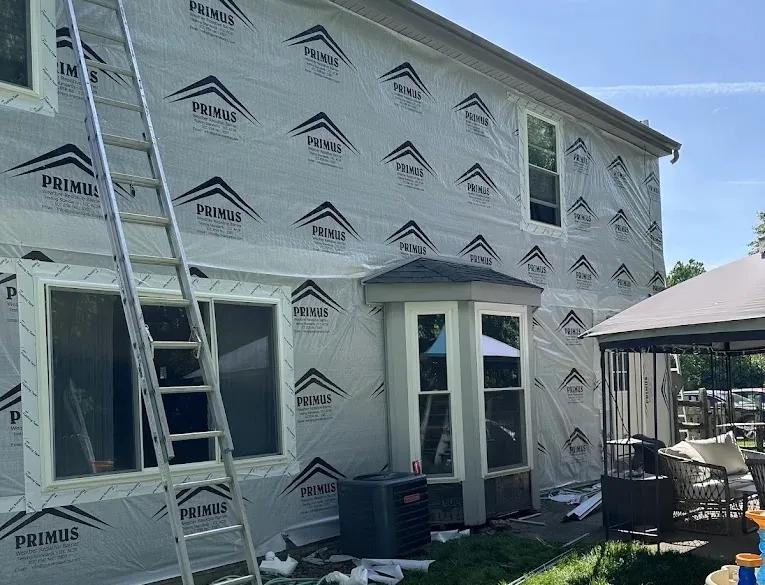
Siding does more than give your home a polished appearance. It acts as the first line of defense between your interior living spaces and the outdoor elements, shielding your walls from wind, rain, temperature swings, and moisture. When siding begins to crack, warp, or pull away from your home, the consequences are rarely limited to cosmetics. For homeowners seeking siding repair in Blue Ash, understanding what lies beneath that surface damage is essential to making smart, timely decisions. Ignoring early warning signs does not simply delay a repair; it compounds damage in ways that become significantly more expensive over time. This guide walks you through exactly what happens when damaged siding goes untreated and why acting sooner is always wiser than waiting.
What Damage Occurs Behind Cracked or Loose Siding
Most homeowners focus on what they can see, but the real danger from damaged siding hides behind the surface. When siding cracks or loosens, it creates an opening that allows wind-driven moisture to infiltrate the wall cavity. Once water enters, it does not simply dry out and disappear. It soaks into the sheathing, the insulation batts, and eventually the structural framing beneath. Wood framing that remains wet begins to soften and decay over weeks and months, weakening the very skeleton of your home's exterior walls.
Beyond wood rot, moisture in wall cavities creates ideal conditions for pest activity. Carpenter ants and termites are drawn to wet, softened wood and can establish colonies inside walls without any visible exterior clue. By the time you notice paint bubbling, drywall staining, or musty odors indoors, the damage behind the siding may already be extensive. According to the Insurance Information Institute, water damage is among the most frequent and costly homeowner insurance claims filed each year, and a significant portion of these losses trace back to deferred exterior maintenance.
Early Signs of Moisture Entering Your Walls
Catching moisture intrusion early is possible if you know what to look for. One of the earliest visible indicators is paint peeling or bubbling on interior walls that share an exterior face. This happens because moisture vapor migrates inward and disrupts the bond between paint and drywall. Warped or stained drywall near baseboards or window frames is another sign that water is traveling through wall cavities. You may also notice a soft, musty smell in rooms adjacent to exterior walls, which is often the first hint of mold beginning to develop.
On the exterior, watch for streaking, discoloration, or efflorescence, which appears as a chalky white residue on brick or masonry surfaces near siding panels. Gaps at seams, caulk that has cracked and pulled away, or siding panels that flex when pressed are all physical indicators that the protective seal has been compromised. Homeowners who notice any of these signs are encouraged to schedule a professional inspection promptly, as the National Association of Home Builders notes that moisture-related damage caught in its early stages can often be corrected at a fraction of the cost of deferred repair.
How Siding Issues Affect Insulation and Energy Bills
Your siding system works in concert with the insulation inside your walls to maintain a stable indoor temperature. When siding is intact and properly sealed, it prevents cold air infiltration in winter and keeps heat out during summer. Damaged or missing siding panels disrupt this thermal envelope, allowing outside air to penetrate wall cavities and degrade insulation performance over time.
Wet insulation, whether fiberglass batts or rigid foam board, loses a significant percentage of its R-value, which is its rated thermal resistance. A wall cavity with saturated insulation may perform at a fraction of its intended efficiency. The result is a noticeable increase in heating and cooling costs as your HVAC system works harder to compensate for the lost insulation performance. The U.S. Department of Energy estimates that air leakage through compromised building envelopes can account for 25 to 40 percent of energy used for heating and cooling in a typical home. Addressing siding damage proactively restores that envelope and brings energy performance back to where it should be.
The Real Cost of Siding Repair Versus Full Replacement
One of the most important financial considerations for any homeowner is understanding when a targeted repair is sufficient and when a full siding replacement becomes necessary. In general, localized damage affecting a small section of siding can be corrected with a focused repair, patching or replacing individual panels while leaving the rest of the system intact. This approach is considerably less expensive than a full replacement and is entirely appropriate when the underlying structure shows no signs of moisture infiltration or rot.
However, when damage has been left untreated long enough that moisture has reached the sheathing or framing, repair scope expands dramatically. Rotted sheathing must be removed and replaced before new siding can be installed, adding labor and materials to the project. If structural framing members have been affected, repairs can involve carpentry work well beyond what a simple siding crew would typically perform. The financial gap between catching damage early and addressing it after years of neglect can be substantial. Homeowners who proactively pursue siding repair in Blue Ash consistently spend far less over the life of their home than those who delay action.
When Small Damage Turns Into Major Repairs
A single cracked panel or a short section of loose siding may seem trivial, especially if the damage is not prominently visible. But siding damage rarely stays contained. Each rain event introduces more moisture, freeze-thaw cycles in Ohio winters cause cracks to widen, and UV exposure weakens adjacent panels that were previously undamaged. What begins as a single point of failure gradually spreads across larger sections of the wall.
The timeline from minor damage to major repair is often shorter than homeowners expect, particularly in climates like Blue Ash where seasonal weather variation is significant. A small crack in a vinyl or wood siding panel that goes unaddressed through a wet spring can result in saturated wall cavities by summer. By fall, the moisture has had months to promote wood decay and mold growth. What could have been resolved with a one-afternoon repair now requires sheathing replacement, mold remediation, and potentially new insulation installation before fresh siding can even be hung.
Hidden Costs of Mold and Water Damage
Mold remediation is one of the most commonly overlooked financial consequences of untreated siding damage. Once mold becomes established inside wall cavities, it cannot simply be painted over or ignored. Professional remediation involves containing the affected area, removing contaminated materials, treating structural surfaces with antimicrobial agents, and restoring the cavity with clean materials. The U.S. Environmental Protection Agency notes that mold can begin colonizing wet building materials within 24 to 48 hours under the right conditions, making speed of response critically important.
Beyond remediation costs, mold presence in a home can affect indoor air quality, potentially triggering respiratory issues for occupants. If you ever plan to sell your home, mold discovered during a buyer inspection can derail a transaction or dramatically reduce your negotiating position.
How to Know If Your Siding Needs Repair Now
Performing a basic visual inspection of your siding twice a year, ideally in spring and fall, is one of the most effective ways to catch problems early. Walk the perimeter of your home and look for panels that appear warped, buckled, or have pulled away from the wall at the seams. Look closely at areas around windows, doors, and corners, as these transition points are more vulnerable to water infiltration than flat wall sections. Check caulking around trim and penetrations, and note any areas where the paint on your siding has faded, peeled, or changed texture.
Conclusion
Damaged siding is not a problem that fixes itself or stays contained over time. From moisture intrusion and mold growth to compromised insulation and structural decay, the consequences of delay reach far beyond what any homeowner wants to manage. The good news is that siding damage caught early is almost always straightforward and affordable to address. By staying observant, scheduling routine inspections, and responding promptly when damage appears, homeowners in Blue Ash can protect their homes and avoid the compounding expenses that come with deferred maintenance. If you have noticed any of the warning signs discussed in this article, reaching out to a qualified roofing and siding professional for an assessment is the smartest first step you can take.
Frequently Asked Questions
Can damaged siding affect the structural integrity of my home?
Yes, it can. When siding damage allows sustained moisture intrusion into wall cavities, the wooden sheathing and framing members that support your exterior walls can begin to rot and weaken. Over time, this compromises the structural integrity of the wall assembly. Repairs at that stage become far more involved than a simple siding replacement because the underlying structure must be restored before new siding can be properly installed.
Is it safe to repaint over damaged siding rather than repairing it?
Repainting over cracked, warped, or loose siding is not a substitute for repair. Paint provides a cosmetic layer but does not seal structural gaps or prevent water from entering behind panels. In fact, painting over damaged siding can sometimes trap existing moisture inside the wall cavity, accelerating the rot and mold conditions it appears to conceal. Proper repair or replacement of compromised panels should always come before any cosmetic finishing work.
How long does siding typically last before needing replacement?
The lifespan of siding varies significantly by material. Vinyl siding commonly lasts between 20 and 40 years with reasonable maintenance. Wood siding can last just as long but requires more consistent upkeep including painting and caulking. Fiber cement siding is among the most durable options available, with a lifespan that often exceeds 50 years under normal conditions. Regardless of material, regular inspections help identify isolated damage that can be repaired to extend the overall system's life.
Does homeowners insurance cover siding damage?
Homeowners insurance generally covers sudden and accidental damage to siding caused by events such as hailstorms, high winds, or falling tree limbs. It typically does not cover damage that results from gradual wear, deferred maintenance, or neglect. If a storm damages your siding, documenting the damage promptly and contacting your insurance provider quickly is important. A roofing and siding professional can assist with damage assessments that support insurance claims when applicable.
What is the difference between siding repair and siding replacement?
Siding repair involves correcting damage in specific sections of your exterior, whether that means replacing individual panels, resealing seams, or patching areas where the siding has cracked or pulled away. Siding replacement involves removing and reinstalling the siding across a larger portion or the entirety of an exterior wall face. Repair is appropriate when damage is localized and the underlying structure remains sound. Replacement becomes necessary when damage is widespread, when the siding is at or past the end of its useful life, or when moisture has infiltrated the wall cavity and the sheathing requires remediation before new siding can be installed.