

What is the 25% Reroofing Rule in Florida? A Comprehensive Guide for Homeowners
12 minutes
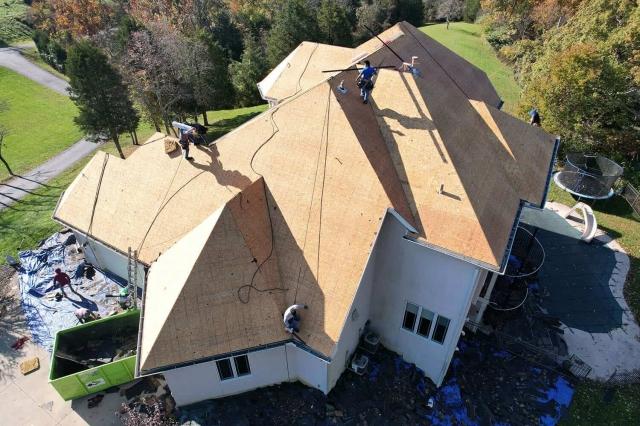
What is the 25% Reroofing Rule in Florida? A Comprehensive Guide for Homeowners
Florida's climate, with its intense sun, heavy rains, and the ever-present threat of hurricanes, places immense stress on residential roofs. For homeowners, understanding the state's specific regulations regarding roof repair and replacement is not just a matter of compliance—it's a critical aspect of protecting their most valuable asset. One of the most significant and often misunderstood regulations is the 25% Reroofing Rule. This rule has undergone substantial changes in recent years, leaving many homeowners confused about their obligations.
This comprehensive guide will walk you through everything you need to know about Florida's 25% Reroofing Rule. We will explore its history, the impact of recent legislative changes, and what it all means for you as a homeowner. Whether you're dealing with storm damage, planning a renovation, or simply trying to stay informed, this article will provide the clarity you need to make sound decisions about your roof.
The Original 25% Reroofing Rule: A Primer
The 25% Reroofing Rule was originally established in the Florida Building Code to ensure the structural integrity of roofs across the state. In simple terms, the rule stated that if more than 25% of a roof or roof section was repaired, replaced, or recovered within a 12-month period, the entire roof system had to be brought up to the current building code standards. This often meant a full roof replacement, even if a significant portion of the roof was still in good condition.
The primary motivation behind this rule was to enhance the resilience of Florida homes against hurricane-force winds and other extreme weather events. By preventing patchwork repairs that could create weak points in the roof's structure, the code aimed to reduce property damage and protect the safety of residents. While the intention was sound, the rule often placed a significant financial burden on homeowners, who were suddenly faced with the unexpected expense of a full roof replacement for what they initially thought was a minor repair.
For years, this rule was a source of frustration for many, but it was a reality of homeownership in Florida. However, a major legislative change in 2022, known as Senate Bill 4-D, dramatically altered the landscape of roof repair and replacement in the state.
The Game-Changer: Senate Bill 4-D and the New 25% Rule
In May 2022, the Florida Legislature passed Senate Bill 4-D, a landmark piece of legislation that significantly amended the 25% Reroofing Rule. This bill was a response to the state's ongoing property insurance crisis and aimed to provide some relief to homeowners facing soaring premiums and limited coverage options. The new law introduced a critical distinction based on the age and code compliance of a roof, effectively creating two different sets of rules.
The new law hinges on a single, crucial date: March 1, 2009. This is the date when the 2007 Florida Building Code, which included more stringent requirements for roof construction, went into effect. Here's how the new 25% rule breaks down:
For Roofs Built or Replaced After March 1, 2009
If your roof was installed or replaced in compliance with the 2007 Florida Building Code or any subsequent editions, the 25% rule no longer forces a full replacement. Even if more than 25% of your roof is damaged, you are only required to repair or replace the damaged portion. The repaired or replaced section must, of course, be brought up to the current building code, but the rest of your roof is exempt from this requirement.
This was a welcome change for homeowners with newer, code-compliant roofs, as it eliminated the threat of a costly full replacement for localized damage. It allows for more targeted, cost-effective repairs, which is especially beneficial in the aftermath of a storm.
For Roofs Built or Replaced Before March 1, 2009
If your roof was installed before the 2007 Florida Building Code took effect, the original 25% rule still applies. This means that if more than 25% of your roof is damaged, you will likely be required to replace the entire roof to bring it up to the current code. This is because older roofs were not built to the same standards of wind resistance and structural integrity, and the state still considers them to be more vulnerable to failure during a hurricane.
This distinction is crucial for homeowners with older roofs to understand, as it can have a significant impact on their finances and insurance coverage. It also highlights the importance of knowing the age and history of your roof.
Understanding "Roof Sections"
Another key aspect of the 25% rule is the definition of a "roof section." The Florida Building Code defines a roof section as a "separating or division of a roof area by existing expansion joints, parapet walls, flashing (excluding valley), difference of elevation (excluding hips and ridges), roof type or legal description."
This technical definition can be confusing, but it essentially means that different parts of your roof may be considered separate sections. For example, a flat roof over a porch might be a different section from the main sloped roof of the house. This is an important distinction because the 25% rule applies to each roof section individually. If the damage is contained within a single, smaller section, you may be able to avoid a full roof replacement, even if the damaged area is more than 25% of that specific section.
Navigating these complexities can be challenging, which is why it's often a good idea to consult with a qualified roofing professional, like the experts at Avery Roof Services, who can help you understand how the rule applies to your specific situation.
Practical Implications for Florida Homeowners
The changes to the 25% Reroofing Rule have significant practical implications for Florida homeowners. Here's what you need to know to protect yourself and your home:
Know Your Roof's History
Now more than ever, it's essential to know the age of your roof and whether it was installed in compliance with the 2007 Florida Building Code or later editions. If you're unsure, you can often find this information in your home's permit records, which are typically available through your local building department. This information will be critical in determining which version of the 25% rule applies to your home.
The Importance of Regular Inspections
Regular roof inspections by a qualified professional are always a good idea, but they are especially important in Florida. An inspection can identify minor issues before they become major problems, and it can also provide you with a detailed report on the condition of your roof. This documentation can be invaluable if you ever need to file an insurance claim.
Insurance Considerations
The changes to the 25% rule have also had a significant impact on the property insurance market in Florida. Insurance companies are now more focused than ever on the age and condition of roofs. Here are a few key points to keep in mind:
•The 15-Year Rule: Many insurance companies are now hesitant to insure homes with roofs that are 15 years or older. While a new law prevents them from denying coverage solely based on a roof's age if it has at least five years of useful life remaining, you can expect more scrutiny and potentially higher premiums for older roofs.
•Documentation is Key: In the event of a claim, your insurance company will require detailed documentation of the damage. This includes photos, videos, and a professional inspection report. The more evidence you can provide, the stronger your claim will be.
•Law and Ordinance Coverage: This is a crucial but often overlooked part of a homeowner's insurance policy. It provides coverage for the additional costs of bringing your home up to current building codes after a covered loss. Given the complexities of the 25% rule, having adequate law and ordinance coverage is essential for Florida homeowners.
Navigating the Insurance Claims Process
Dealing with an insurance company after your roof has been damaged can be a stressful and frustrating experience. It's not uncommon for insurance companies to try to limit their payouts by downplaying the extent of the damage or misinterpreting the 25% rule. Here are a few tips for navigating the claims process:
•Don't Delay: File your claim as soon as possible after the damage occurs.
•Get a Second Opinion: Don't rely solely on the insurance adjuster's assessment. Consider hiring an independent public adjuster or a trusted roofing contractor to evaluate the damage.
•Keep Detailed Records: Document every conversation you have with your insurance company, including the date, time, and name of the person you spoke with.
•Know Your Rights: If you believe your insurance company is acting in bad faith, you have the right to challenge their decision. You can file a complaint with the Florida Department of Financial Services or consult with an attorney who specializes in insurance claims.
What Does the Florida Building Code Require for Roof Replacements?
When a roof replacement is required under the 25% rule, the Florida Building Code mandates several specific upgrades to ensure the roof can withstand the state's harsh weather conditions.
Secondary Water Barriers
One of the most critical requirements is the installation of a secondary water barrier. This is an additional layer of protection beneath the primary roofing material that helps prevent water intrusion if the outer layer is damaged during a storm. The 8th Edition of the Florida Building Code, which took effect in December 2023, now requires a dual layer of underlayment for metal roofs, asphalt shingles, slate, and mineral-surfaced roll roofing.
Roof-to-Wall Connections
Another important requirement is the strengthening of roof-to-wall connections. These are the points where your roof attaches to the walls of your home, and they are critical for preventing the roof from being torn off during a hurricane. The Florida Building Code requires the use of hurricane straps or clips to secure the roof structure to the walls.
For homes located in the wind-borne debris region—which includes most of coastal Florida—and with an insured value of $300,000 or more, these upgrades are mandatory when a roof replacement is performed.
Enhanced Nail Penetration and Fastening
The updated building code also includes more stringent requirements for nail penetration and fastening. Proper nailing is essential for ensuring that roofing materials stay in place during high winds. These requirements may seem like small details, but they can make a significant difference in the performance of your roof during a storm.
Common Misconceptions About the 25% Rule
Despite the importance of the 25% Reroofing Rule, there are several common misconceptions that can lead to confusion and costly mistakes:
The Rule Applies to the Entire Roof
Many homeowners believe that if more than 25% of their entire roof is damaged, they must replace the whole thing. However, the rule applies to individual roof sections, not necessarily the entire roof. If the damage is confined to a single section, you may only need to replace that section.
All Roofs Are Subject to the Same Rules
The 25% rule does not apply equally to all roofs. The changes introduced by Senate Bill 4-D created a significant distinction between roofs built before and after March 1, 2009. Understanding which category your roof falls into is essential.
Insurance Will Always Cover a Full Replacement
Many homeowners assume that if their roof is damaged, their insurance will automatically cover a full replacement. Unfortunately, insurance companies often try to minimize their payouts by arguing that only partial repairs are necessary, even when the damage exceeds 25%. This is why it's important to have your own independent assessment.
You Can Ignore the Rule for Minor Repairs
Some homeowners believe they can avoid the 25% rule by spreading out repairs over multiple years or by not obtaining permits. This is risky and can lead to serious consequences, including insurance claim denials and problems when selling your home.
How to Choose a Roofing Contractor in Florida
Choosing the right roofing contractor is one of the most important decisions you'll make as a homeowner. A reputable contractor will not only do quality work but will also help you navigate the complexities of the 25% rule and ensure that all necessary permits are obtained.
Verify Their License and Insurance
In Florida, all roofing contractors are required to be licensed by the Florida Department of Business and Professional Regulation. You can verify a contractor's license status on the department's website. Additionally, make sure the contractor carries adequate liability insurance and workers' compensation coverage.
Get Multiple Estimates and Check References
Don't settle for the first estimate you receive. Get at least three written estimates from different contractors, and make sure each estimate includes a detailed breakdown of the work to be performed, the materials to be used, and the total cost. Ask for references from recent customers and check online reviews on sites like Google and the Better Business Bureau.
Work with a Trusted Local Company
When it comes to something as important as your roof, it's always a good idea to work with a local company that has a proven track record in your community. Avery Roof Services is a trusted name in Florida roofing, with years of experience helping homeowners navigate the complexities of roof repair and replacement. Their team of experts can provide you with a thorough assessment of your roof's condition and help you understand your options under the 25% rule.
The Future of Roofing in Florida
The roofing landscape in Florida is constantly evolving. The Florida Building Code is updated every three years, and the state legislature continues to pass new laws aimed at addressing the challenges of the property insurance market. As a homeowner, it's important to stay informed about these changes and to be proactive in maintaining your roof.
Looking ahead, we can expect continued emphasis on wind resistance, water intrusion prevention, and the use of more durable roofing materials. The state is also likely to continue refining the 25% rule and related regulations in response to feedback from homeowners, contractors, and insurance companies.
By understanding the 25% Reroofing Rule and its implications, you can make informed decisions that will protect your home, your finances, and your peace of mind. And when it comes to something as important as your roof, it's always a good idea to work with a reputable and experienced roofing company that you can trust.