

What is the Minimum Charge for a Handyman? A Comprehensive Guide
Have you ever had a small home repair? Maybe a leaky faucet or a flickering light? You might wonder if it's worth calling a professional. You're not alone. Many homeowners hesitate to call a handyman for minor jobs. They fear the cost might be too high. A key factor in this decision is the minimum charge. This is a standard practice in the handyman industry. It often causes confusion.
This guide will explain the minimum charge for a handyman. We'll explore what it is and why it exists. We'll also show you how much you can expect to pay. You'll get tips on how to get the best value for your money. We'll also explain when it makes sense to call in a pro for those small but important tasks. By the end of this article, you'll understand handyman pricing. This will help you make smart decisions for your home maintenance needs.
Understanding the Handyman's Minimum Charge
A handyman's minimum charge is also called a call-out fee or service fee. It is the smallest amount they will charge for any job. This applies no matter how quick or simple the job is. This fee makes sure the handyman is paid for their time, travel, and business expenses. This is true even for jobs that take less than an hour. Think of it as a baseline cost. It's what you pay to get a professional to your door.
For example, a handyman's minimum charge might be $100. If a repair only takes 30 minutes, you will still pay the full $100. This is an important concept to understand. It can help you decide whether to bundle multiple small jobs together. It can also help you decide whether to tackle them yourself.
Why Do Handymen Have a Minimum Charge?
It might seem odd to pay a minimum fee for a small job. But this practice is essential for handymen to run a good business. Here are the main reasons why minimum charges are standard in the industry:
•Covering Business Expenses: Like any business, a handyman has overhead costs. These include insurance, vehicle maintenance, tools, marketing, and administrative expenses. The minimum charge helps to cover these costs for every job they take on.
•Travel Time and Costs: A big part of a handyman's day is spent traveling between jobs. The minimum charge pays them for the time and fuel costs to get to your home.
•Time and Effort for Small Jobs: Even small jobs require time for scheduling, communication, and preparation. The minimum fee ensures that the handyman is paid for this time and effort.
•Profitability: For a handyman to stay in business, every job must make money. The minimum charge gives them a certain level of income for each service call. This makes it worth their time to take on smaller tasks.
Typical Handyman Pricing Structures
Handymen use a few different pricing models. Understanding these can help you anticipate the cost of your project.
|
Pricing Model
|
Description
|
Best For
|
|
Hourly Rate
|
The most common model, where you pay for the time the handyman spends on your project.
|
Small to medium-sized jobs with uncertain timeframes.
|
|
Flat-Fee
|
A fixed price for a specific, well-defined task.
|
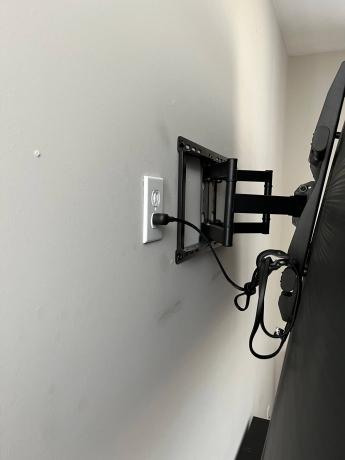
Common jobs like faucet replacement or TV mounting.
|
|
Day Rate
|
A set price for a full day of work.
|
Larger projects or a long list of small tasks.
|
It's important to clarify the pricing structure with your handyman before they begin work. This helps you avoid any surprises. A good handyman will be clear about their rates and how they charge for their services.
How Much Can You Expect to Pay? The Average Minimum Charge
Now that you understand why handymen have a minimum charge, let's talk about the numbers. The minimum charge for a handyman can vary a lot. It depends on several factors. But there are some general ranges you can expect. According to data from leading home service platforms, the minimum charge for a handyman is usually between $75 and $200.
Here's a more detailed breakdown of what you can expect to pay for handyman services:
|
Cost Component
|
Average Range
|
|
Minimum Charge
|
$75 - $200
|
|
Hourly Rate
|
$50 - $150
|
|
Day Rate
|
$320 - $600
|
|
Average Project Cost
|
$177 - $690
|
Source: Data compiled from Angi and Thumbtack.
Remember that these are just averages. The actual cost can be higher or lower. It depends on your specific situation. For a more accurate estimate, it's always best to contact a local handyman. Get a quote for your project. For example, ER Handyman Services can provide a detailed estimate based on your needs.
Factors That Influence a Handyman's Minimum Charge
The minimum charge for a handyman is not a one-size-fits-all number. Several factors can influence the final cost. Understanding these factors will help you get a more accurate idea of what to expect when you hire a handyman.
Location, Location, Location
Just like with real estate, location plays a big role in the cost of handyman services. Handymen in urban areas with a high cost of living will have higher minimum charges. They will also have higher hourly rates than those in rural areas. This is due to higher operating costs. These include insurance, fuel, and wages.
Experience and Expertise
A handyman's experience and skill level are also major factors in their pricing. A seasoned professional with a wide range of skills will charge more. Someone who is just starting will charge less. It might be tempting to go with the cheapest option. But remember that you're paying for quality and peace of mind. An experienced handyman is more likely to do the job right the first time. This saves you money on future repairs.
Type of Work
The complexity of the job will also affect the cost. A simple task like hanging a picture frame will be at the lower end of the pricing spectrum. However, jobs that require specialized skills, such as minor plumbing or electrical work, will have a higher minimum charge. This is because these tasks carry more risk and require a higher level of expertise.
Independent Handyman vs. a Larger Company
You'll also find a difference in pricing between independent handymen and larger handyman companies. Independent handymen often have lower overhead costs. They can offer more competitive pricing. On the other hand, larger companies may offer more services. These include warranties and customer support. This can be reflected in their higher prices.
How to Get the Best Value From Your Handyman
Now that you have a better understanding of handyman pricing, you're probably wondering how you can make the most of your money. Here are some practical tips to help you get the best value when hiring a handyman:
Bundle Small Jobs Together
One of the best ways to get the most value from a handyman's minimum charge is to bundle several small jobs into a single visit. Instead of calling a handyman for each minor repair, create a running list of tasks. This could include fixing a leaky faucet, patching a small hole in the drywall, adjusting a cabinet door, and hanging a new light fixture. By having the handyman do all of these jobs in one visit, you'll get more for your money. You'll also avoid paying multiple minimum charges.
Be Prepared
Time is money. This is especially true when you're paying a handyman by the hour. To make sure the handyman can work well, prepare the work area before they arrive. This might involve clearing the space around the repair. You might also need to move furniture. Make sure pets and children are out of the way. The less time the handyman has to spend on prep work, the more time they can spend on the actual repairs.
Purchase Your Own Materials
Another way to save money is to purchase the materials for your project yourself. While most handymen can and will purchase materials for you, they often charge a markup for this service. By buying the materials in advance, you can avoid this extra cost. Just be sure to consult with the handyman beforehand to ensure you're buying the right supplies.
Get Multiple Quotes
It's always a good idea to get quotes from at least three different handymen before making a decision. This will give you a better sense of the going rate in your area and help you find a handyman who offers a fair price. When comparing quotes, be sure to look at more than just the price. Consider the handyman's experience, reviews, and whether they are licensed and insured. A great place to find reliable professionals is through trusted services like ER Handyman Services, which can connect you with qualified handymen in your area.
When to Call a Handyman vs. DIY
With the rise of DIY tutorials on platforms like YouTube, it can be tempting to tackle home repairs yourself. While DIY can be a great way to save money and learn new skills, it's not always the best option. Here's a breakdown of when it makes sense to call a handyman and when you might be better off doing it yourself.
When to DIY
DIY is a good option for small, simple tasks that don't require specialized skills or tools. These might include:
•Tightening a loose cabinet handle
•Changing a lightbulb
•Assembling flat-pack furniture
•Touching up paint
For these types of jobs, the cost of hiring a handyman might not be justified, especially if the task falls below the minimum charge threshold. However, it's important to be honest about your skills and abilities. A poorly done DIY job can end up costing you more in the long run if you have to hire a professional to fix your mistakes.
When to Call a Handyman
For more complex or time-consuming tasks, it's usually best to call a professional. Here are some situations where hiring a handyman is the smart choice:
•You Lack the Time or Tools: If you have a busy schedule or don't own the necessary tools, a handyman can save you a lot of time and hassle.
•The Job Requires Specialized Skills: Tasks that involve plumbing, electrical work, or carpentry are best left to the professionals. These jobs often require a deep understanding of building codes and safety regulations. The Consumer Product Safety Commission (CPSC) reports that ladder-related injuries are a common cause of emergency room visits, highlighting the risks of DIY for even seemingly simple tasks [3].
•You Want a Professional Finish: A handyman has the experience and expertise to ensure that the job is done right. They can provide a professional finish that can be difficult to achieve with DIY.
•The Job Involves Multiple Tasks: If you have a long list of repairs, a handyman can tackle them all in one visit, saving you time and money.
Ultimately, the decision to DIY or hire a handyman comes down to a combination of cost, skill, and time. By carefully considering these factors, you can make the best choice for your home and your budget.
Finding and Hiring a Reputable Handyman
Once you've decided to hire a handyman, the next step is to find a reliable and trustworthy professional. This can feel like a daunting task, but with a little research, you can find the right person for the job. Here are some tips to help you find and hire a reputable handyman:
Ask for Recommendations
Word-of-mouth is one of the most powerful tools for finding a good handyman. Ask friends, family, neighbors, and colleagues for recommendations. They can provide honest feedback about their experiences and point you in the right direction.
Check Online Reviews
Online review platforms like Angi, Thumbtack, and the Better Business Bureau (BBB) are valuable resources for finding and vetting handymen. These sites allow you to read reviews from previous customers, see ratings, and get a sense of a handyman's reputation. Look for handymen with a consistent track record of positive reviews and a high rating.
Verify Credentials
Before hiring a handyman, it's essential to verify their credentials. Check if they are licensed and insured. A license indicates that the handyman has met the minimum requirements for their profession, while insurance protects you and your property in case of accidents or damage. Don't be afraid to ask for proof of insurance.
Get a Written Estimate
Never rely on a verbal quote. Always ask for a written estimate that details the scope of work, the cost of materials, the labor charges, and the estimated timeline. This will help you avoid any misunderstandings or disputes down the road. A professional handyman will be happy to provide a detailed estimate.
Ask Questions
Don't hesitate to ask questions before hiring a handyman. Here are a few important questions to ask:
•How long have you been in business?
•Do you have experience with this type of project?
•Can you provide references?
•What is your payment schedule?
•Do you offer a warranty on your work?
A reputable handyman will be able to answer these questions confidently and professionally. If you're looking for a trusted and vetted handyman, a service like ER Handyman Services can be a great place to start.
Conclusion
The handyman's minimum charge is a standard and necessary part of the home repair industry. It ensures that professionals are fairly compensated for their time, travel, and expertise, even for the smallest of jobs. By understanding what this fee entails and the factors that influence it, you can make smarter decisions about your home maintenance.
Remember to bundle tasks, prepare your home for the handyman's arrival, and get multiple quotes to ensure you're getting the best possible value. And when in doubt, don't hesitate to call a professional. While DIY can be rewarding, the peace of mind and quality workmanship that come with hiring a skilled handyman are often worth the investment. With the right approach, you can keep your home in top shape without breaking the bank.
References
Frequently Asked Questions (FAQ)
What is the average minimum charge for a handyman?
The average minimum charge for a handyman typically ranges from $75 to $200. This fee covers the handyman's time, travel, and business expenses for any job, regardless of how small it is. The exact amount depends on your location, the handyman's experience, and the type of work needed.
Why do handymen charge a minimum fee?
Handymen charge a minimum fee to cover their business costs. This includes travel time, fuel, insurance, tools, and administrative expenses. Without a minimum charge, small jobs would not be profitable. This fee ensures that every service call is worth the handyman's time and effort.
How can I avoid paying multiple minimum charges?
The best way to avoid paying multiple minimum charges is to bundle several small jobs into one visit. Create a list of all the repairs and tasks you need done. Then schedule a single appointment for the handyman to complete them all. This approach saves you money and makes better use of the handyman's time.
Is it cheaper to hire an independent handyman or a company?
Generally, independent handymen charge less than larger companies. They have lower overhead costs and can offer more competitive pricing. However, larger companies may provide additional benefits. These include warranties, customer support, and insurance coverage. Consider both options and choose based on your needs and budget.
What should I look for when hiring a handyman?
When hiring a handyman, look for these key factors: proper licensing and insurance, positive customer reviews, relevant experience, transparent pricing, and good communication. Always get a written estimate before work begins. Ask for references and verify their credentials. A trusted service like ER Handyman Services can help you find qualified professionals.
Do handymen charge by the hour or by the job?
Handymen use different pricing models. The most common is an hourly rate, which typically ranges from $50 to $150 per hour. Some handymen offer flat-fee pricing for specific tasks like faucet replacement or TV mounting. Others may charge a day rate for larger projects. Always clarify the pricing structure before hiring.
When should I call a handyman instead of doing it myself?
Call a handyman when the job requires specialized skills, tools, or knowledge. This includes plumbing, electrical work, or carpentry. Also call a professional if you lack the time or if the job involves safety risks. For simple tasks like changing a lightbulb or tightening a cabinet handle, DIY is usually fine.