

Climate-Controlled Warehousing: Why Temperature and Humidity Matter for Your Inventory
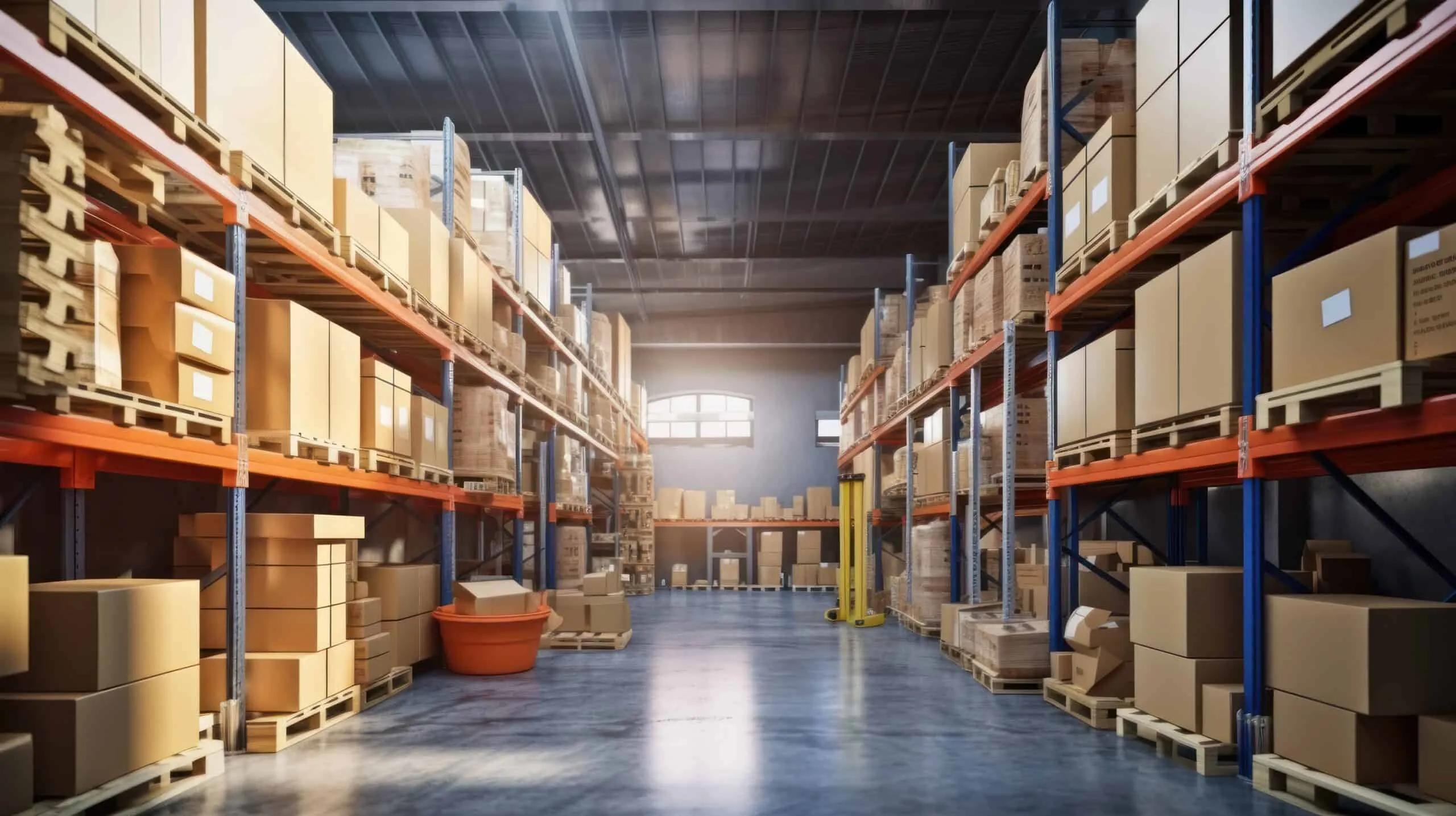
Climate-Controlled Warehousing
A single pallet of warped wood veneer furniture or a crate of corroded circuit boards can cost a business thousands of dollars and weeks of lost time. These losses often trace back to one overlooked variable: the storage environment. Businesses that rely on climate-controlled warehousing solutions gain a layer of protection that standard facilities cannot match. Companies shipping through logistics hubs like Cincinnati, OH already understand the climate controlled warehouse benefits that come from working with providers who regulate both temperature and humidity year-round.
Many businesses store electronics, FF&E (furniture, fixtures, and equipment), medical supplies, and hospitality goods in general-purpose warehouses. That decision seems fine until upholstered seating arrives at a hotel with mildew stains, or a batch of motherboards fails quality testing because of moisture corrosion. The root cause is almost always uncontrolled humidity.
This guide breaks down the difference between temperature-controlled and climate-controlled storage, identifies which products need the tighter standard, and explains what to look for when choosing a provider.
Temperature-Controlled vs. Climate-Controlled Storage
These two terms get swapped often, but they describe different levels of environmental management. The distinction matters when your inventory includes moisture-sensitive materials.
A temperature-controlled warehouse regulates heat and cold. HVAC systems keep indoor air within a set range, often between 55°F and 75°F. This prevents freezing, overheating, and thermal shock. It does not, however, address moisture in the air.
A climate-controlled warehouse manages both temperature and relative humidity. Dehumidifiers, humidifiers, sealed dock doors, and air-circulation systems work together to hold humidity within a target band, typically 30% to 55% relative humidity (RH). This dual regulation is what separates basic temperature management from true climate control.
Why Humidity Is the Variable That Matters Most
Temperature swings cause problems, but humidity causes damage that hides. Moisture vapor penetrates packaging, seeps into wood grain, condenses on metal contacts, and feeds mold spores. You can often see heat damage on the surface. Humidity damage tends to live inside the product, beneath labels, under shrink wrap, or between stacked layers of fabric.
According to data published by the National Archives and Records Administration (NARA), paper-based records stored above 55% RH experience accelerated chemical breakdown, mold growth, and foxing. The same principle applies to cardboard-packaged goods sitting in a humid warehouse for weeks or months at a time.
For electronics, the ideal storage range is even tighter. Industry guidance from IPC/JEDEC J-STD-020 standards recommends keeping sensitive components between 30% and 50% RH. Above that threshold, moisture can penetrate insulation, alter conductivity, and corrode solder joints.
Product Categories That Require Climate Control
Not every product needs a climate-controlled environment. Canned goods, metal fasteners, and plastic bins do fine in ambient storage. But the following categories carry real risk when humidity goes unmanaged.
FF&E (Furniture, Fixtures, and Equipment)
FF&E represents a major line item in hotel renovations, corporate buildouts, and restaurant openings. These items often arrive months before a project is ready for installation. During that gap, they sit in storage.
Wood veneers absorb and release moisture with changes in RH. When humidity spikes, wood swells. When it drops, wood contracts. This cycle causes warping, joint separation, and finish cracking. Upholstered pieces face a different threat. Fabric and foam absorb moisture and become breeding grounds for mold and mildew, especially in closed packaging.
The Architectural Woodwork Institute recommends maintaining consistent humidity levels in storage to prevent dimensional changes in casegoods. Professional FF&E warehousing includes climate regulation for exactly this reason.
Electronics and Technology Hardware
Circuit boards, servers, display panels, and networking equipment are all vulnerable to condensation and static discharge. High humidity alters component conductivity. Low humidity increases the risk of electrostatic discharge (ESD), which can destroy integrated circuits in a fraction of a second.
Storage facilities for electronics should maintain temperatures between 50°F and 75°F and hold relative humidity between 30% and 50%. Backup power is not optional for this category. A generator failure during a summer storm can push indoor humidity above safe limits within hours.
Medical and Pharmaceutical Supplies
Medications, diagnostic kits, surgical instruments, and sterile packaging all have defined storage requirements. The FDA mandates continuous temperature logging for many pharmaceutical products, and insurers may deny claims on goods stored outside of documented ranges.
Medical supplies stored in facilities without humidity control face risks including packaging degradation, label adhesion failure, and contamination from mold. Even non-perishable items like rubber gloves and gauze can degrade when moisture levels go unchecked.
Archived Documents and Records
Paper is hygroscopic. It absorbs moisture from the air and releases it when conditions dry out. This constant expansion and contraction weakens fibers, causes ink to bleed, and accelerates yellowing.
NARA's archival storage standards (NARA 1571) specify a temperature range of 65°F and a relative humidity set point of 35% to 45% for textual records. Photographic materials require even colder and drier conditions. Businesses storing legal records, architectural drawings, or historical documents should apply these same principles.
How Uncontrolled Storage Leads to Hidden Losses
The real cost of poor storage rarely shows up in the warehouse. It shows up on delivery day, during installation, or after a customer complaint.
Mold and mildew grow in conditions above 60% RH. They can colonize fabric, leather, wood, and paper within 48 to 72 hours when combined with warm temperatures. Once mold establishes, remediation costs often exceed replacement costs.
Corrosion on metal parts and electronic contacts develops over weeks or months of elevated humidity. By the time a device fails a quality check, the entire batch may be compromised. Dimensional changes in wood and composite materials are irreversible past a certain threshold. A warped conference table cannot be repaired on site. The piece goes back to the manufacturer, and the project timeline slips.
Adhesive failure affects labels, packaging seals, and laminated surfaces. High humidity weakens pressure-sensitive adhesives, causing labels to peel and laminated panels to delaminate.
How to Evaluate a Climate-Controlled Warehouse Provider
Choosing a warehouse is not just about price per square foot. For products that require environmental controls, you need to verify that the provider can deliver consistent conditions and prove it with data.
Monitoring Systems and Data Logging
Ask whether the facility uses real-time temperature and humidity sensors across all storage zones. Sensors should be wired or wireless IoT devices that log data continuously, not manual readings taken once a day. The provider should be able to share historical data on request.
Look for facilities that use temperature mapping. This practice places data loggers at multiple points within a storage area to identify hot spots, cold pockets, and humidity gradients. A well-mapped warehouse adjusts airflow and dehumidification based on these findings.
Backup Power and Redundancy
A climate-controlled warehouse is only as reliable as its power supply. Ask about backup generators, uninterruptible power supply (UPS) systems, and the facility's average response time during an outage.
The best facilities run automatic transfer switches that start generators within seconds of a grid failure. They also maintain redundant HVAC units so that a single compressor failure does not compromise the entire storage floor.
Insurance Coverage and Liability
Verify that the warehouse carries adequate insurance for stored goods. Policies should cover damage from environmental failures, including HVAC malfunctions, power outages, and water intrusion.
Ask for the facility's claims history. A provider with a strong track record of environmental control will have fewer incidents and lower premiums. That reliability translates to lower risk for your inventory.
Security and Access Controls
Climate control and security go hand in hand. Every time an exterior door opens, conditioned air escapes and outside humidity enters. Facilities with fast-closing dock doors, vestibule airlocks, and controlled access points maintain tighter environmental conditions. CCTV monitoring, alarm systems, and 24/7 on-site personnel are standard at Class-A warehouses.
Working with a Provider That Understands Sensitive Inventory
A warehouse provider with experience in FF&E, electronics, and hospitality goods will approach storage differently than a general freight operation. Look for providers who inspect incoming shipments for pre-existing damage, organize inventory by sensitivity level, and adjust environmental zones based on product requirements.
Ray Hamilton Company operates over 100,000 square feet of Class-A, climate-controlled warehouse space. Founded in 1892, the company has more than 130 years of experience in logistics, warehousing, and specialized transportation. Their facilities include CCTV surveillance, fire and intruder alarms, and temperature monitoring systems that protect stored inventory around the clock.
For businesses in the hospitality and FF&E sectors, this level of infrastructure means fewer damaged deliveries, fewer project delays, and fewer insurance claims.
Conclusion
Climate-controlled warehousing is not a premium add-on. For businesses that store electronics, FF&E, medical supplies, or archived documents, it is a baseline requirement. The difference between a temperature-controlled facility and a climate-controlled one comes down to humidity management, and that single variable determines whether your inventory arrives in sellable condition or goes straight to a claims adjuster.
Evaluate providers on their monitoring systems, backup power, insurance coverage, and experience with your product category. Ask for data, not just promises. The right warehouse partner protects your goods, your timeline, and your bottom line.
Frequently Asked Questions
What is the difference between temperature-controlled and climate-controlled warehousing?
Temperature-controlled warehousing regulates only heat and cold, keeping indoor air within a set range. Climate-controlled warehousing manages both temperature and relative humidity. The added humidity control prevents mold, corrosion, warping, and adhesive failure in moisture-sensitive goods.
What products need climate-controlled storage?
Products that require climate control include FF&E (furniture, fixtures, and equipment), electronics, medical supplies, pharmaceutical inventory, archived paper documents, photographic media, and certain hospitality goods like upholstered seating and wood casegoods.
What humidity level is best for warehouse storage?
Most climate-controlled warehouses target a relative humidity range of 30% to 55%. Electronics storage should stay between 30% and 50% RH. Archived paper documents do best at 35% to 45% RH. The ideal range depends on the specific product category stored in each zone.
How do I know if a warehouse is truly climate-controlled?
Ask the provider for real-time sensor data and historical environmental logs. Look for facilities that use IoT monitoring platforms, temperature mapping, and automated alerts. A provider that cannot produce this data may not maintain consistent conditions.
Why is backup power important in a climate-controlled warehouse?
A power outage can cause indoor humidity to rise above safe levels within hours, especially during warm months. Backup generators and automatic transfer switches keep HVAC systems running during grid failures, protecting stored inventory from condensation and mold growth.