

Is a Poorly Installed Skylight Causing Leaks, Drafts, and Higher Energy Bills in Your Home?
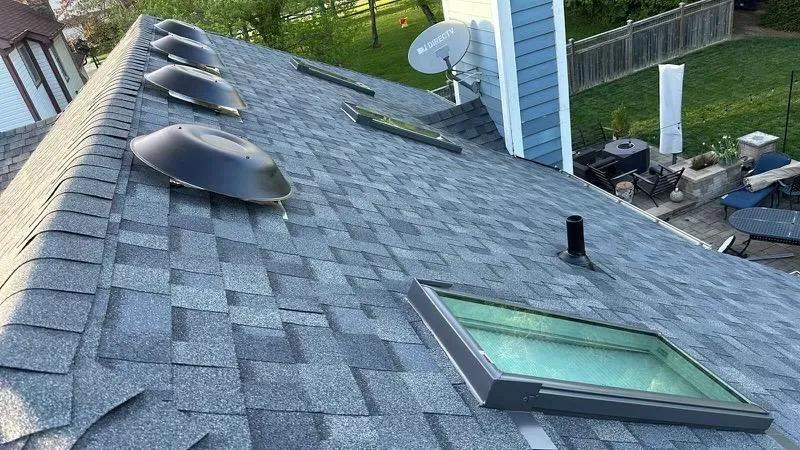
Skylights are one of the most appealing additions a homeowner can make to their living space. They flood rooms with natural light, create a sense of openness, and can even improve indoor air quality when installed with ventilation features. But when skylight installation is not done correctly, those same beautiful fixtures can become a source of persistent leaks, uncomfortable drafts, and rising energy bills that are difficult to trace back to their source. For homeowners in Cincinnati, OH and the surrounding region, understanding the warning signs of poor skylight installation is the first step toward protecting both your home and your wallet.
Common Causes of Skylight Leaks and Drafts
Not every skylight leak starts with a defective product. In the majority of cases, the root cause is installation error. Skylights require precise flashing, sealing, and integration with the surrounding roofing system. When any one of those steps is rushed or done incorrectly, the consequences tend to compound over time.
One of the most frequent causes of leaks is improper or insufficient flashing. Flashing is the metal barrier installed around the skylight frame to direct water away from the opening and into the roof drainage system. According to the National Roofing Contractors Association, flashing failures account for a significant share of all roof-related water intrusion issues. If flashing is not sealed tightly or is cut to the wrong dimensions, even moderate rainfall can find its way into the framing beneath the skylight.
Signs Your Skylight Was Installed Incorrectly
Recognizing the signs of a faulty skylight installation early can prevent minor issues from becoming expensive structural repairs. There are several indicators homeowners should watch for throughout the year.
Water stains on the ceiling or walls near the skylight are among the most obvious signs. These stains may appear as yellowish or brownish rings and can grow larger after heavy rain. Even if the ceiling feels dry to the touch, staining suggests that water has been entering and evaporating repeatedly, which means moisture damage may already be present inside the framing.
Condensation forming between the panes of a double or triple-glazed skylight indicates that the seal between the glass layers has failed. This type of fogging is not always a result of poor installation but often suggests that the unit was not rated for the climate or was handled improperly during the installation process.
How Poor Sealing Increases Energy Bills
A well-sealed skylight can actually contribute to energy efficiency by reducing the need for artificial lighting and, in ventilating models, by allowing warm air to escape during summer months. However, a poorly sealed skylight has the opposite effect. According to the U.S. Department of Energy, windows and skylights that are not properly sealed can account for a significant percentage of a home's heating and cooling losses.
When outside air infiltrates through gaps around a skylight frame in winter, your heating system must compensate by running longer and more frequently. The same is true in summer when hot outdoor air seeps in around a poorly sealed unit. Homeowners often notice a gradual increase in their utility bills but attribute it to other causes, never suspecting that their skylight is the culprit.
Low-quality glazing compounds the problem. Skylights installed with single-pane glass or low-performance glazing transmit far more heat in summer and allow far more heat to escape in winter compared to modern double or triple-pane options with low-emissivity coatings. If your skylight was installed without regard for energy performance specifications, replacing it with a properly installed, energy-rated unit can yield meaningful savings on monthly utility costs.
Types of Skylights Best for Different Roofs
Not every skylight is right for every roof, and choosing the wrong type is itself a form of installation error. Fixed skylights are the most common and are ideal for areas where additional light is the primary goal and ventilation is not needed. They have fewer moving parts and a lower risk of mechanical failure over time.
Ventilating or operable skylights open to allow airflow and are particularly well-suited for kitchens, bathrooms, and other moisture-prone spaces. They require more precise installation to ensure the opening mechanism seals completely when closed, and they are not recommended for very low-pitch roofs where water pooling is a concern.
Tubular skylights, sometimes called sun tunnels, are a smaller and less invasive option for rooms where a full-size skylight is not practical. They work by capturing sunlight through a small dome on the roof and channeling it through a reflective tube into the room below. These units are less susceptible to leaking but still require correct installation to prevent moisture entry at the roof penetration point.
For steeply pitched roofs, center-pivot or top-hung skylights are generally the most appropriate choice because their design naturally facilitates water runoff. Flat or low-slope roofs require specially designed units with curb mounting systems that elevate the skylight above the roof surface to prevent standing water from accumulating around the frame.
When to Replace an Old Skylight
Skylights do not last forever, and knowing when to replace rather than repair is an important part of responsible home maintenance. Most skylight manufacturers and roofing professionals recommend evaluating skylights that are 20 years or older for replacement, even if they appear to be functioning adequately. The seals, flashing, and glazing materials used in older units are often far below the performance standards of modern products.
If you have had the same skylight repaired multiple times for leaks or drafts and the problems continue to return, that pattern is a strong indicator that repair is no longer the most practical solution. Repeated patching of failed flashing or sealant is a short-term fix that does not address the underlying degradation of the unit itself.
Best Materials for Long-Lasting Skylights
The materials used in skylight construction have a direct bearing on how long the unit performs reliably and how much maintenance it requires over its lifespan. For glazing, tempered or laminated safety glass is the preferred choice over acrylic or polycarbonate, which can yellow, crack, and warp with prolonged UV exposure. Double or triple-pane glass with low-emissivity coatings provides the best combination of thermal performance and durability.
For frames, vinyl and fiberglass have become the leading materials in modern skylight manufacturing because of their resistance to expansion, contraction, and moisture absorption. Wood frames require more maintenance and are more susceptible to rot if water infiltration occurs. Aluminum frames are durable but conduct heat and cold more readily than vinyl or fiberglass, which can reduce energy efficiency.
Flashing materials matter just as much as the skylight unit itself. Copper and lead flashing are the most durable options and are preferred by experienced roofing professionals for their longevity and malleability. Pre-formed aluminum flashing kits are widely used and perform well when installed correctly, but they require careful attention to sealing at every overlap and edge.
How Professional Skylight Installation Prevents Long-Term Problems
The difference between a skylight that performs reliably for decades and one that becomes a persistent source of problems often comes down entirely to the quality of the installation. Professional skylight installation ensures that every element of the process, from selecting the correct unit for the roof type and pitch to cutting the opening precisely and integrating the flashing with the existing roofing system, is handled with the expertise and equipment the job demands.
Professionals also understand the local climate and building code requirements that apply to skylight installations in their service area. In Cincinnati, where weather patterns include significant rainfall, temperature swings, and occasional severe storms, installation decisions that might be acceptable in a drier or more temperate climate can lead to premature failure. A professional team familiar with the region brings that contextual knowledge to every project.
Conclusion
A poorly installed skylight is more than an inconvenience. It is a slow drain on your comfort, your energy budget, and the structural integrity of your home. Understanding the common failure points of improper installation, recognizing the warning signs early, and knowing when professional help is needed gives homeowners the tools to make informed decisions before minor issues become expensive repairs.
Whether you are dealing with an existing skylight that has never performed correctly, considering a replacement for an aging unit, or planning a new installation, working with experienced roofing professionals ensures the job is done to the standards your home deserves. Visit SWORD Roofing on Google Maps to learn more about the team serving Cincinnati homeowners with quality skylight and roofing services.
Frequently Asked Questions
Can a skylight leak even if it was recently installed?
Yes, a skylight can begin leaking shortly after installation if the flashing was not applied correctly, if the sealant used was not appropriate for the materials involved, or if the opening in the roof was not cut to the precise dimensions required by the manufacturer. A new installation is not automatically a reliable one, and any signs of water intrusion should be evaluated by a professional as soon as they appear.
How do I know if drafts near my skylight are coming from the skylight itself or from another source?
On a calm day, hold a thin piece of tissue or a stick of incense near the frame of the skylight on all sides. If the tissue moves or the smoke bends toward or away from the frame, air is moving through a gap at that location. This simple test can help pinpoint the source of drafts before calling a professional for a more thorough assessment.
Is it possible to repair flashing around a skylight without replacing the entire unit?
In many cases, yes. If the skylight glazing and frame are still in sound condition and the primary problem is deteriorated or improperly installed flashing, a roofing professional can remove and replace the flashing without replacing the skylight itself. However, this approach makes the most sense for relatively newer units. On older skylights, investing in flashing repair while leaving aging glazing and seals in place may only delay the need for full replacement.
What is the difference between a curb-mounted and deck-mounted skylight, and does it affect leak risk?
A curb-mounted skylight sits on a raised wooden frame built above the roof surface, while a deck-mounted skylight is integrated directly into the roof deck at a lower profile. Curb-mounted skylights are generally considered easier to install correctly and are better suited for low-slope roofs because the raised frame keeps the unit above potential water accumulation. Deck-mounted skylights offer a sleeker appearance but require more precise flashing work to remain watertight, making professional installation particularly important.
How long should a properly installed skylight last before needing replacement?
A high-quality skylight installed by an experienced professional on a well-maintained roof can reasonably be expected to last between 20 and 30 years. The actual lifespan depends on the materials used, the local climate, the quality of ongoing maintenance, and how well the surrounding roof system is cared for. Regular inspections and prompt attention to any signs of sealant wear or flashing damage can extend that lifespan considerably.