

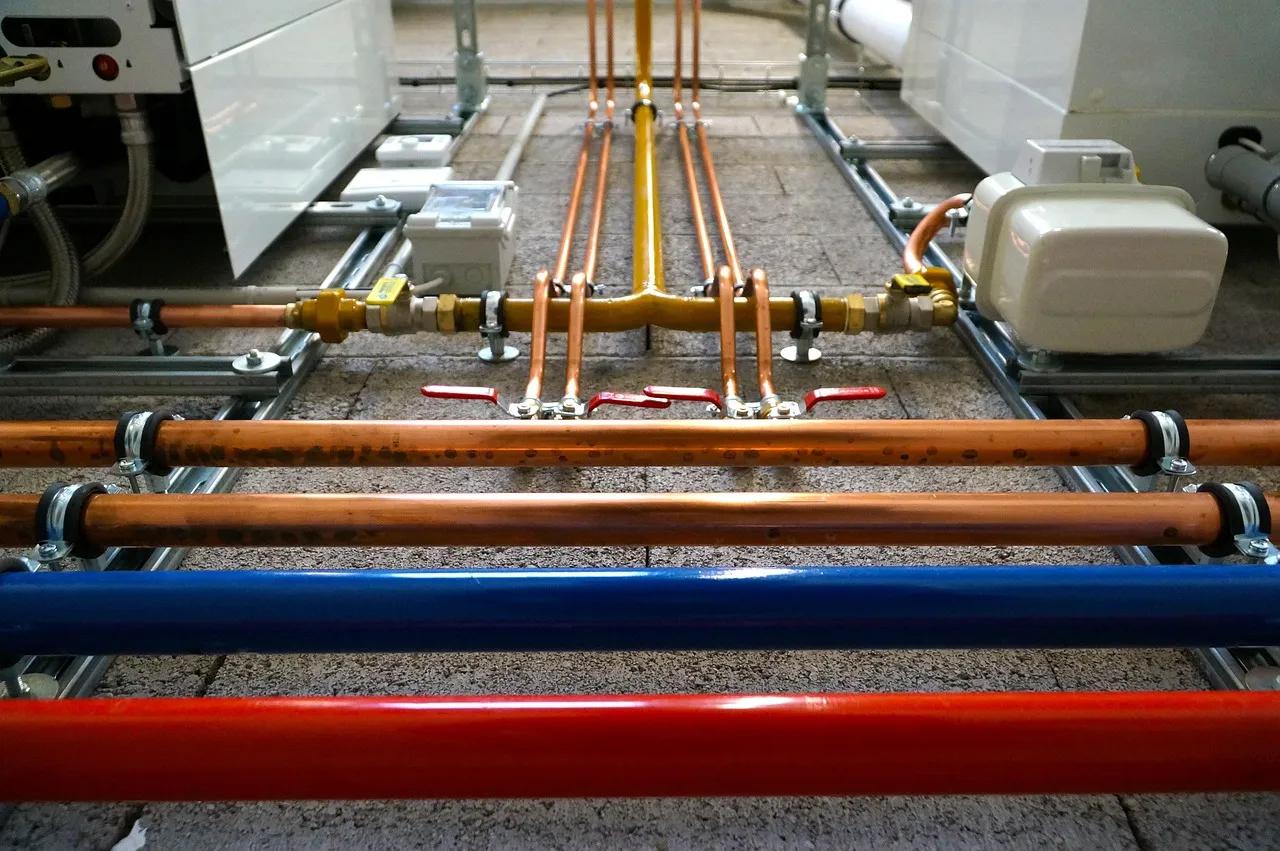
Water Heater
Your water heater works behind the scenes every day. It heats water for showers, dishes, laundry, and cleaning. Most homeowners forget about it until something goes wrong. By then, the damage is already done.
The average tank water heater lasts 8 to 12 years, according to the International Association of Certified Home Inspectors (InterNACHI). Yet most units fail without a dramatic warning. Instead, they send small signals over weeks or months. Knowing the signs water heater is going bad in Cleveland, OH can save you from a flooded basement, unexpected cold showers, or an emergency replacement bill. If you need professional help, Plumbing Source offers water heater services in Cleveland to diagnose and fix problems before they get worse.
This guide walks through seven red flags ranked by urgency. You will also learn two simple DIY checks, a clear repair vs. replace framework, and answers to common questions.
Rusty or Discolored Hot Water Coming From Your Taps
Brown, orange, or reddish water from your hot water faucet is an early sign of internal corrosion. The discoloration means the steel lining inside the tank has started to break down.
Run only the hot water side of a faucet for two to three minutes. If the water clears, sediment may be the cause. If it stays discolored, the tank is likely corroding from the inside.
Rusty hot water sometimes comes from aging galvanized pipes rather than the tank. A licensed plumber can inspect both sources. Do not ignore this symptom, especially in older Cleveland homes near Tremont, Ohio City, or Lakewood, where many properties still have original plumbing from the mid-1900s.
Rumbling, Popping, or Banging Noises From the Tank
A quiet water heater is a healthy water heater. When you hear rumbling, popping, or banging, sediment has likely built up on the bottom of the tank. Minerals in Cleveland's water supply, which comes from Lake Erie, settle and harden over time.
As the burner heats water through that sediment layer, steam bubbles form and collapse. That creates the popping sound. The longer sediment sits, the harder the heating element works, raising energy bills and accelerating wear on the tank floor.
Flushing the tank annually removes loose sediment before it hardens. If your unit has gone years without a flush and the noises are loud, the buildup may be too thick to clear. The team at Plumbing Source can assess sediment damage and recommend whether a water heater repair will restore performance or if replacement makes more sense.
Water Pooling Around the Base of the Unit
Any moisture at the base of your water heater demands attention. Small puddles can come from a loose fitting, a faulty pressure relief valve, or condensation. These are often fixable.
However, water that keeps returning may point to a crack in the tank itself. Internal corrosion weakens the steel over years of use. Thermal expansion during heating cycles stresses those weak points until a fracture opens. A cracked tank cannot be repaired. It must be replaced.
Left unchecked, even a slow leak can cause mold growth and water damage. Homeowners in finished basements across Parma (44134), Strongsville (44136), and Westlake (44145) face higher risk because leaks can hide behind drywall or under flooring. Place a drip pan or leak detector under the unit for early warning.
Inconsistent Water Temperatures and Fluctuating Heat
Turning on the shower and getting water that swings from hot to lukewarm to cold signals a problem. In electric water heaters, two heating elements work together. If the lower element fails, the tank heats only the top portion of water. You get a short burst of hot water followed by a temperature drop.
A faulty thermostat produces similar results because it cannot regulate water temperature accurately. Sediment buildup also plays a role by insulating the bottom of the tank and blocking heat transfer.
Before replacing the entire unit, ask a plumber to test the thermostat and heating elements. These parts are affordable to swap. But if the tank is past the eight year mark and showing other symptoms on this list, a full replacement usually provides better long-term value.
The Anode Rod Test, a DIY Check That Reveals Hidden Damage
The anode rod is a metal rod inside your water heater tank. Its job is to attract corrosive minerals so they attack the rod instead of the tank lining. Manufacturers call it a "sacrificial" rod because it dissolves to protect the steel.
Most anode rods last three to five years. After that, the rod can no longer shield the tank, and corrosion shifts to the tank walls.
You can check it yourself. Turn off the heater and the cold water supply. Drain a few gallons to reduce pressure. Then use a 1 1/16 inch socket wrench to loosen the hex head on top of the tank and pull the rod out.
If the rod is less than half an inch thick, heavily coated in calcium, or has large gaps of missing metal, replace it. A new anode rod costs $20 to $50 and can add two to three years of life to your tank.
Sediment Flush, a Second DIY Test for Tank Health
Flushing your water heater once a year is standard maintenance. It also doubles as a diagnostic tool.
Turn the thermostat to "pilot" or shut off the power. Connect a garden hose to the drain valve at the bottom of the tank. Run the hose to a floor drain or outside. Open the valve and let water flow for three to five minutes.
Clear water with small sandy particles is normal. Dark or rusty water with calcium chunks means the tank has been deteriorating. If very little water comes out or the valve is completely clogged, sediment buildup is severe. A clogged drain valve on a unit older than ten years is a strong signal that replacement is near.
Regular flushing is especially valuable in Cleveland and surrounding Northeast Ohio communities where the mineral content in local water accelerates sediment formation over time.
Your Water Heater Is Past the Eight Year Mark
Age alone does not mean your water heater will fail tomorrow. But it shifts the odds. Most tank water heaters reach the end of their useful life between eight and twelve years. Gas models tend to fail slightly earlier than electric models.
You can find the manufacture date on the rating plate, usually near the top of the tank. The serial number often starts with a letter and two digits. The letter represents the month (A for January, B for February, and so on). The two digits represent the year. A serial number starting with "C14" means the unit was built in March 2014.
If your unit is eight years or older and showing any symptom on this list, start planning for a replacement. Waiting for a complete failure often means paying emergency rates.
Repair vs. Replace: Making the Right Call
Not every symptom calls for a new water heater. A failed thermostat, a worn heating element, or a leaky pressure relief valve can each be fixed affordably. If the tank is under eight years old and showing only one issue, repair is usually the right move.
Replacement becomes the better option when the tank is past eight years and multiple problems appear. A rule of thumb from InterNACHI suggests that if annual repair costs exceed 10% of a new unit's price, replacement provides better value.
Modern water heaters deliver real efficiency gains. ENERGY STAR certified gas tank models must meet a Uniform Energy Factor (UEF) of 0.81 or higher, according to ENERGY STAR guidelines.
Tankless water heaters take efficiency further by heating water on demand and avoiding standby heat loss. They last 15 to 20 years on average. The U.S. Department of Energy estimates water heating accounts for about 20% of a home's energy use, so a more efficient unit can lower that figure over time.
Conclusion
A failing water heater rarely breaks down without warning. Rusty water, strange noises, pooling water, and inconsistent temperatures are all signals that your unit is losing ground. Two simple DIY checks, the anode rod inspection and the sediment flush, give you a clear picture of the tank's remaining life.
The key is acting before the situation becomes an emergency. If your water heater is eight years or older, take time to inspect it now. Compare the cost of repair against the benefits of a newer, more efficient unit. Homeowners in Cleveland and the surrounding areas in ZIP codes 44102, 44107, 44113, 44116, 44126, 44129, 44134, and 44145 can reach out to a water heater specialist in Cleveland, OH for a professional evaluation and honest guidance on the best path forward.
Frequently Asked Questions About Water Heater Failure
How do I know the exact age of my water heater?
Check the serial number on the rating plate. The first letter represents the month (A = January through L = December). The next two digits represent the year. For example, "F16" means June 2016. If you cannot read the label, contact the manufacturer with the model number.
Can a water heater explode if I ignore the warning signs?
In rare cases, yes. A malfunctioning temperature and pressure (T&P) relief valve combined with a stuck thermostat can allow dangerous pressure buildup. Test the T&P valve once a year by lifting the lever briefly. Water should flow out, then stop when you release. Replace the valve if it drips constantly or produces no flow.
Is it worth replacing just the anode rod on an older water heater?
If the tank is under eight years old and shows no other problems, a new anode rod is one of the best maintenance steps you can take. It costs $20 to $50. If the tank is past ten years and showing rust or leaks, the swap will not reverse existing damage.
What is the difference between a tank and a tankless water heater?
A tank water heater stores 40 to 80 gallons and keeps it heated at all times. A tankless water heater heats water only when you turn on a faucet. Tankless units use less energy, last 15 to 20 years, and take up less space. The tradeoff is a higher upfront cost.
Should I repair or replace a water heater that is ten years old?
A ten year old unit is near the end of its expected life. A minor fix like a faulty thermostat can buy time. But if you see multiple symptoms at once, replacement is the smarter investment. A new unit eliminates the risk of sudden failure and typically lowers monthly energy costs.