

Are You Choosing the Wrong Water Heater System and Missing Out on Long Term Savings
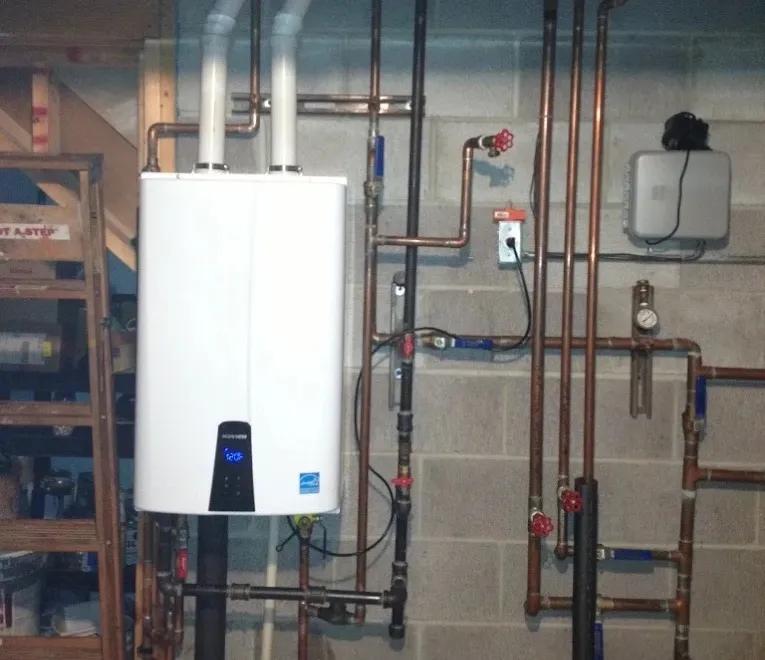
Choosing a water heater is one of those home decisions that does not get enough attention until something goes wrong. Most homeowners simply replace what they already have without stopping to ask whether a different system might serve them better. If you are weighing your options, understanding the real differences between tank and tankless systems can save you from years of unnecessarily high energy bills or a setup that never quite meets your household's demand. For homeowners in the area exploring tankless water heater installation in Houston, TX, getting informed before committing to a system is one of the smartest moves you can make.
Understanding the Difference Between Tank and Tankless Water Heaters
A traditional tank water heater stores a large volume of hot water in an insulated reservoir, keeping it heated around the clock so it is ready whenever you open a tap. These systems are straightforward and relatively inexpensive to purchase and install, which is why they remain common in older homes.
A tankless water heater, on the other hand, heats water on demand. When you turn on a hot water tap, cold water travels through the unit and is instantly heated by either a gas burner or an electric heating element. There is no storage tank involved, which is why these units are sometimes called on demand or instantaneous water heaters.
The core tradeoff comes down to this. Tank systems cost less upfront and are easier to install in most homes, but they run continuously and lose heat through the tank walls over time, a phenomenon known as standby heat loss. Tankless systems are more energy efficient over the long run, but they require a more involved installation and a higher initial investment.
According to the U.S. Department of Energy, homes that use a moderate amount of hot water per day can be significantly more efficient with a tankless system compared to a conventional storage model.
When a Tankless System Makes Sense
Tankless water heaters are a strong choice for certain households and situations. If your home has two or fewer people, you tend to use hot water in one place at a time, and you plan to stay in the house for at least seven to ten years, the energy savings can meaningfully offset the higher upfront cost.
They are also well suited to homes where space is limited. A tankless unit mounts on a wall and takes up a fraction of the space a traditional tank requires. This makes them popular in condos, smaller homes, and utility closets where every square foot matters.
Point of use tankless heaters, which serve a single fixture or area, are another option worth considering if you have a bathroom addition or a detached garage with a sink that is far from your main water heater. Installing a small dedicated unit near that fixture can eliminate the wait for hot water to travel through long pipe runs.
Why Some Homes Are Not Ideal for Tankless Systems
Despite their advantages, tankless water heaters are not the right fit for every home. One of the most common issues is insufficient gas line capacity. Whole home tankless gas units require a significantly larger gas supply than a traditional tank heater. If your home's existing gas line cannot support that demand, upgrading it adds to the overall cost of the project.
Electric tankless systems face a similar challenge. They often require dedicated high amperage circuits and, in some cases, an electrical panel upgrade. Older homes with panels that are already near capacity may need substantial electrical work before a tankless unit can even be installed properly.
Hard water is another factor. Mineral deposits from hard water build up inside the heat exchanger over time, reducing efficiency and potentially shortening the unit's lifespan if it is not regularly descaled. Homes in areas with very hard water should factor in maintenance costs and consider a water softener alongside any tankless installation.
The True Cost of Tankless Installation and Upgrades
One of the most common surprises homeowners encounter is how much the total cost of switching to tankless can exceed the sticker price of the unit itself. The unit is just the beginning.
Installation typically involves labor for mounting the unit, connecting water lines, and handling either gas or electrical connections. If your home needs a gas line upgrade, that is an additional cost. Venting a gas tankless unit to the outside also requires proper materials and labor. Some whole home units require a dedicated PVC or stainless steel vent that did not exist with the old setup.
That said, tankless units also tend to last significantly longer. The American Council for an Energy Efficient Economy notes that tankless water heaters often have a lifespan of more than 20 years compared to the 10 to 15 year average for tank models. When you spread the cost difference over a longer lifespan and factor in lower monthly operating costs, the numbers can work in your favor.
How Energy Savings Compare Over Time
The energy savings from a tankless system come primarily from eliminating standby heat loss. A tank heater keeps water hot at all times, even at 3 in the morning when no one is using it. Over the course of a year, that idle heating adds up.
For a household with moderate hot water use, switching to a tankless unit can reduce water heating costs by a meaningful percentage annually. The exact savings depend on your utility rates, the efficiency rating of the unit you choose, and how much hot water your household actually uses.
It is important to be realistic here. Households with very high hot water demand, multiple simultaneous showers, or large families may find that the savings are smaller than expected because the unit is running almost continuously anyway. In those cases, a larger tank unit or even two tankless units installed in parallel might deliver better performance at a lower overall cost than a single whole home tankless setup that is constantly working at its limit.
How to Size a Tankless Unit Correctly
Proper sizing is the single most important technical decision in a tankless installation. To size a unit correctly, you need to determine the maximum simultaneous demand your household is likely to place on it.
Start by identifying which fixtures might run at the same time during peak use. A shower typically uses around two gallons per minute. A kitchen faucet uses one to two gallons per minute. A dishwasher or washing machine adds more. Add up the flow rates of all fixtures that might run simultaneously and that gives you your minimum required flow rate.
Next, consider your incoming water temperature. Cold climates mean the unit has to work harder to raise cold groundwater to a comfortable output temperature, which reduces the effective flow rate of any given unit. A unit rated for four gallons per minute in a warm climate may only deliver three in a colder region.
Consulting with a qualified installer who can walk through these calculations for your specific home is always the most reliable approach. Resources like the Water Quality Association can also provide helpful guidance on water testing and treatment considerations.
Tips to Avoid Performance Issues
Even a properly sized and correctly installed tankless unit can run into issues if a few fundamentals are overlooked.
Annual maintenance is non-negotiable. Flushing the heat exchanger to remove mineral buildup keeps the unit running at rated efficiency. Most manufacturers recommend this every 12 months, more frequently in hard water areas.
Installing a water softener or a scale inhibitor inline before the unit can dramatically reduce the frequency of descaling and extend the life of the heat exchanger. This is especially worth doing if your water hardness is above a certain threshold.
Setting the output temperature appropriately, typically between 110 and 120 degrees Fahrenheit, reduces strain on the unit and lowers the risk of scalding, which is particularly important in households with children or elderly residents. The CDC recommends keeping water heater temperature settings at a level that balances comfort with safety.
Conclusion
The decision between a tank and tankless water heater is not one size fits all. Tankless systems offer genuine long term efficiency gains and a longer lifespan, but they come with higher upfront costs, specific installation requirements, and performance that depends heavily on correct sizing and proper maintenance. A traditional tank system remains a practical and cost effective choice for many homes, particularly those with older infrastructure, high simultaneous demand, or tight installation budgets.
If you are ready to explore your options with a professional, Plumbing Source serves homeowners looking for expert guidance on water heater decisions and installations in the local area.
Frequently Asked Questions
How long does it take for a tankless water heater to pay for itself through energy savings?
The payback period varies based on your local energy rates, how much hot water your household uses, and the total cost of installation including any necessary upgrades. For many households, the break even point falls somewhere between seven and twelve years. Homes with higher energy costs or moderate to low hot water demand tend to see faster returns, while high demand households or those in low cost energy markets may take longer.
Can a tankless water heater handle multiple showers running at the same time?
It depends entirely on the size of the unit. A properly sized whole home tankless unit can handle multiple simultaneous showers if the flow rate capacity matches or exceeds your household's peak demand. Undersized units will struggle to maintain adequate water temperature when multiple fixtures are running at once, which is why accurate sizing before purchase is so critical.
Is it worth switching to tankless if I plan to sell my home within a few years?
In most cases, switching to tankless primarily to capture energy savings before a near term sale is not financially advisable because the payback period is longer than a few years. However, a tankless system can be a selling point for buyers who value energy efficiency and modern infrastructure, potentially contributing to resale value depending on your local real estate market.
Do tankless water heaters work well in cold climates?
Yes, but they have to work harder. Colder incoming groundwater temperatures mean the unit must raise the water temperature by a greater number of degrees to reach a comfortable output level, which reduces the effective flow rate. Homeowners in colder climates should account for this when sizing a unit and may need a larger capacity model than someone in a warmer region would require for the same household size.
What maintenance does a tankless water heater require?
The primary maintenance task is flushing and descaling the heat exchanger, typically recommended once a year. This involves running a descaling solution through the unit to dissolve mineral buildup. In addition, the inlet filter screen should be checked and cleaned periodically, and the unit should be inspected for any signs of venting issues or gas connection concerns. Following the manufacturer's maintenance schedule is the best way to protect the unit's efficiency and extend its operational life.