

How Fast Does Mold Grow After Water Damage? A Timeline Every Ohio Homeowner Should Know
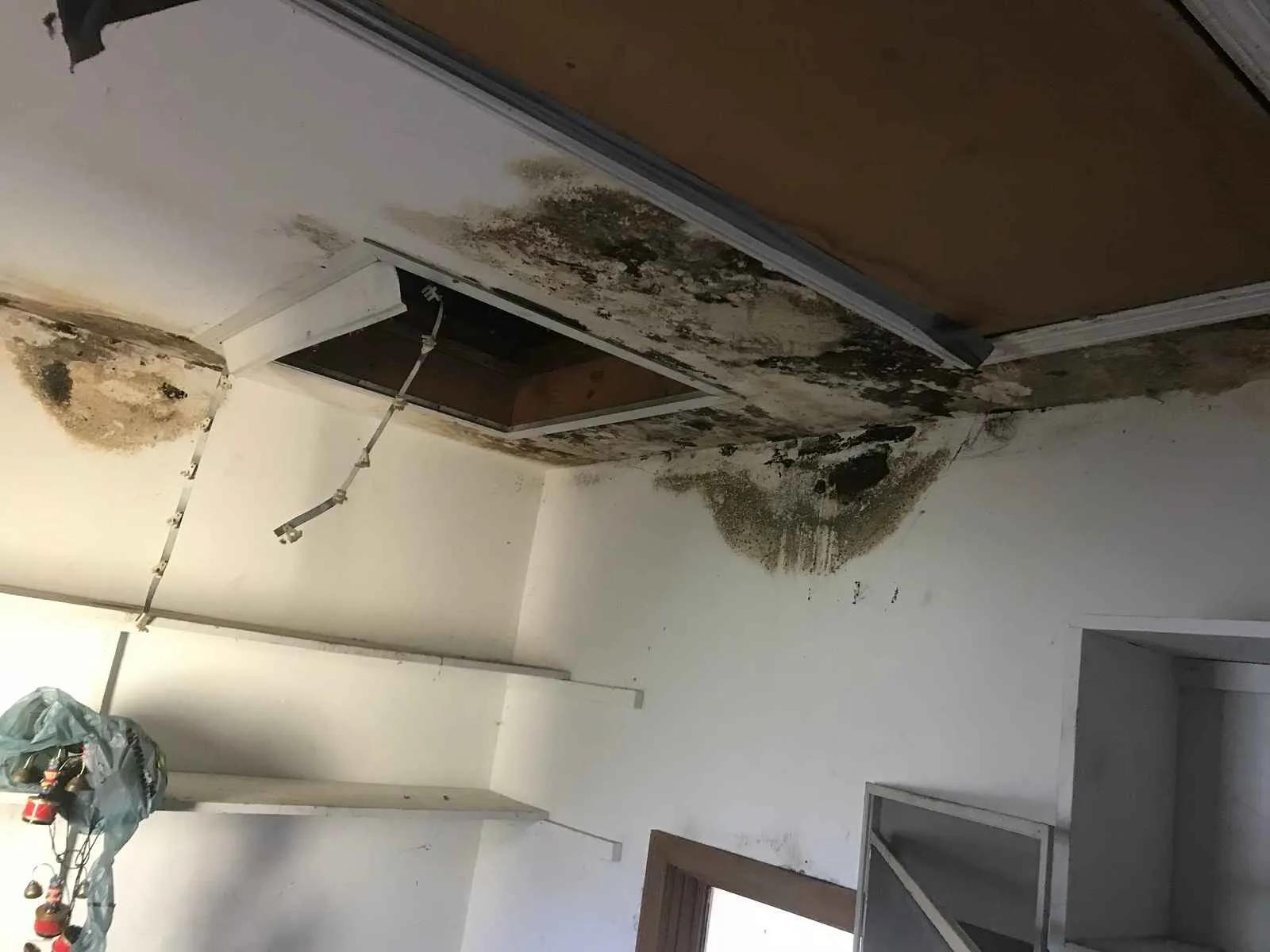
A burst pipe, a flooded basement, or a leaking roof can soak your home in minutes. What happens next depends on how quickly you act. Understanding how fast mold grows after water damage in Ohio helps you protect your home, your health, and your wallet. Mold spores are already in the air around you. They only need moisture to start growing. Once water saturates drywall, carpet, or wood framing, spores latch on and colonize within 24 to 48 hours. That tight window is why professional water damage restoration matters so much in the first day after any water event. Delayed cleanup turns a manageable dry-out into a full mold remediation project, often costing thousands more.
Ohio homeowners in Cincinnati (45241), Dayton (45324), Milford, Fairborn, and surrounding communities face an added challenge. The state's seasonal humidity creates conditions that speed up fungal growth even during months you might not expect.
This guide walks you through the hour-by-hour mold growth timeline, explains which building materials face the highest risk, and helps you decide when to call a professional.
Hour-by-Hour Mold Growth Timeline
Mold does not appear overnight in a visible bloom. It follows a predictable sequence that starts at the microscopic level and ends with structural damage if left unchecked. This timeline is based on guidance from the U.S. Environmental Protection Agency (EPA) and the IICRC S500 Standard for professional water damage restoration.
0 to 24 Hours: The Invisible Start
Water absorbs into porous surfaces within minutes. Drywall, carpet padding, and OSB subfloor pull moisture deep into their fibers. Mold spores settle onto these damp surfaces and germinate. You will not see or smell anything yet. This is the most critical window for action. Starting water extraction and dehumidification during this period can prevent mold entirely.
24 to 48 Hours: Colonization Begins
According to the EPA and the Centers for Disease Control and Prevention (CDC), mold can begin colonizing damp materials within 24 to 48 hours. Microscopic root structures called hyphae push into soft, organic surfaces. Spores are still invisible at this stage, but the biological process is underway. If you have not started drying by this point, assume mold growth has begun.
48 to 72 Hours: Rapid Spread
Mold colonies multiply once established. The hyphae network expands across and into affected materials. A musty odor may become noticeable as the mold releases microbial volatile organic compounds (MVOCs). Surface cleaning alone will not solve the problem at this stage. The mold has penetrated into porous materials and requires professional removal of affected drywall, insulation, or carpet pad.
3 to 7 Days: Visible Growth Appears
Dark spots and fuzzy patches begin showing on walls, baseboards, and ceiling tiles. Mold often appears green, black, white, or gray depending on the species. Common indoor molds like Aspergillus, Penicillium, and Cladosporium thrive at this stage. Visible growth signals a problem that is also spreading behind the surface.
7 to 14 Days: Established Colony Formation
By the second week, mold has formed mature colonies that actively release spores into the air. These airborne spores spread to other rooms through HVAC systems, doorways, and natural air currents. The EPA notes that mold covering more than 10 square feet (roughly a 3-by-3-foot patch) requires professional cleanup. At this point, the problem extends well beyond the original water-damaged area.
14+ Days: Structural Damage and Health Risk
Prolonged mold exposure deteriorates building materials. Wood framing weakens. Drywall crumbles. Carpet becomes unsalvageable. Health risks increase as occupants may experience nasal congestion, coughing, eye irritation, and worsening asthma symptoms. People with compromised immune systems, young children, and older adults face the greatest risk.
Which Building Materials Are Most Vulnerable?
Not every surface reacts to water the same way. Some materials absorb moisture quickly, hold it longer, and feed mold growth faster than others.
Drywall (Gypsum Board)
Drywall is one of the most mold-prone materials in a home. Its paper facing provides an organic food source, and its porous core absorbs water rapidly. Mold can colonize wet drywall within two days and penetrate the full panel thickness. Once saturated, drywall rarely dries fast enough to prevent growth without mechanical drying equipment.
Carpet and Carpet Pad
Carpet fibers trap organic debris like skin cells, pet dander, and food particles. This gives mold a rich food source on top of existing moisture. Carpet padding is even worse. The foam or fiber pad holds water like a sponge and resists air drying. Most restoration professionals remove and replace water-damaged carpet pad rather than attempting to salvage it.
OSB Subfloor and Wood Framing
Oriented strand board (OSB) is a common subfloor material in Ohio homes built after the 1980s. OSB swells when wet and provides an organic surface ideal for mold. Solid wood framing is more resistant but still vulnerable when moisture content exceeds 20 percent for extended periods.
Why Ohio's Climate Accelerates Mold Growth
Ohio's climate plays a direct role in how quickly mold takes hold after water damage. Average relative humidity regularly exceeds 70 percent during summer mornings, according to the National Weather Service. Cincinnati and Dayton experience warm, humid summers paired with cold, damp winters, both of which create indoor moisture problems.
Mold thrives in temperatures between 60°F and 80°F with relative humidity above 60 percent. Ohio homes hit that range for much of the year, especially in basements and crawl spaces with limited airflow.
Seasonal flooding adds another layer of concern. Heavy spring rains, snowmelt, and sump pump failures cause basement water intrusion across the Miami Valley and Greater Cincinnati area (ZIP codes 45202, 45219, 45236, 45241, 45324, and surrounding communities). Standing water in a basement during a humid Ohio summer is a countdown to mold.
When to Call a Professional vs. Handling It Yourself
The answer depends on two things: the size of the affected area and the type of water involved.
The 10-Square-Foot Rule
The EPA recommends homeowners handle mold cleanup only if the affected area is smaller than 10 square feet (roughly a 3-by-3-foot patch). Anything larger calls for a professional with containment equipment, HEPA filtration, and training to prevent cross-contamination.
Understanding Water Contamination Categories
The IICRC S500 Standard classifies water damage into three categories based on contamination level. Each category carries different health risks and cleanup requirements.
Category 1 (Clean Water): Water from a sanitary source like a broken supply line or overflowing sink with no contaminants. It poses the lowest risk but can deteriorate to Category 2 if left standing for more than 48 hours.
Category 2 (Gray Water): This water contains significant contamination from sources like washing machine overflows, dishwasher leaks, or toilet overflows with urine. Gray water requires protective equipment during cleanup and typically means removing carpet padding and applying antimicrobial treatment.
Category 3 (Black Water): This is the most dangerous classification. Black water includes sewage backups, river flooding, and ground surface water. It can contain bacteria, viruses, and chemical contaminants. Category 3 events require professional remediation with full containment, HEPA air scrubbers, and proper disposal of all contaminated materials.
If your water damage involves Category 2 or 3 water, or if mold growth has spread beyond a small patch, contact a qualified restoration company.
Steps to Take Immediately After Water Damage
Acting within the first 24 hours gives you the best chance of avoiding mold. Follow these steps right away.
Stop the source. Shut off the water supply or address the leak immediately.
Remove standing water. Use a wet/dry vacuum, towels, or a pump to extract water.
Start air movement. Open windows, run fans, and deploy dehumidifiers to drop humidity below 50 percent.
Pull up wet materials. Remove soaked carpet, padding, and movable items from the wet zone.
Document everything. Take photos and video for insurance before discarding damaged materials.
Call a professional. If the area is large, water is contaminated, or more than 24 hours have passed, bring in a professional team for structural drying.
Time is the most valuable resource after water damage.
Conclusion
Mold growth after water damage follows a predictable pattern. The clock starts the moment surfaces get wet. Within 24 to 48 hours, invisible spores begin colonizing damp drywall, carpet, and wood. By week one, visible colonies appear. By week two, the problem has spread beyond the original damage zone.
Ohio's seasonal humidity shortens that timeline further. Homeowners in Cincinnati, Dayton, Fairborn, and surrounding areas (45202, 45219, 45241, 45324) face conditions that accelerate mold for much of the year.
Dry wet surfaces within 24 hours, and you stand a strong chance of avoiding mold. Wait beyond 48 hours, and remediation becomes likely. Know the difference between clean, gray, and black water to assess risk accurately. If damage covers more than 10 square feet or involves contaminated water, bring in a qualified mold remediation team in Ohio to protect your home and your family's health.
Frequently Asked Questions
How fast does mold grow on wet drywall?
Mold can begin colonizing wet drywall within 24 to 48 hours. Drywall's paper facing provides an organic food source, and its porous core absorbs moisture quickly. If drywall stays wet beyond 48 hours, mold penetration becomes deep enough that the panel typically needs removal and replacement rather than surface cleaning.
Can I prevent mold growth if I dry the area quickly?
Yes. The EPA states that drying wet materials within 24 to 48 hours can prevent mold from taking hold. Use fans, dehumidifiers, and open windows to reduce humidity. Remove wet carpet padding, which resists air drying. The faster you eliminate moisture, the lower your risk of mold colonization.
What does mold smell like after water damage?
Mold produces microbial volatile organic compounds (MVOCs) that create a musty, earthy odor. Many people describe it as damp cardboard or wet socks. If you notice this smell after a water event, mold has likely begun growing, even if you cannot see it yet.
Is black mold more dangerous than other types?
Stachybotrys chartarum, commonly called black mold, produces mycotoxins that can cause more severe reactions than many common indoor molds. However, any mold growing indoors after water damage poses a health concern. The CDC recommends treating all indoor mold the same way: remove the moisture source and clean up the growth, regardless of species.
Does homeowners insurance cover mold damage in Ohio?
Most standard policies cover mold only when it results from a covered peril, such as a sudden pipe burst or appliance failure. They typically exclude mold from slow leaks or deferred maintenance. Review your policy's mold coverage limits and file claims promptly. Photos and professional inspection reports strengthen your case.