

Low Water Pressure in Your Cincinnati Home? Here Are the Most Common Causes and Fixes
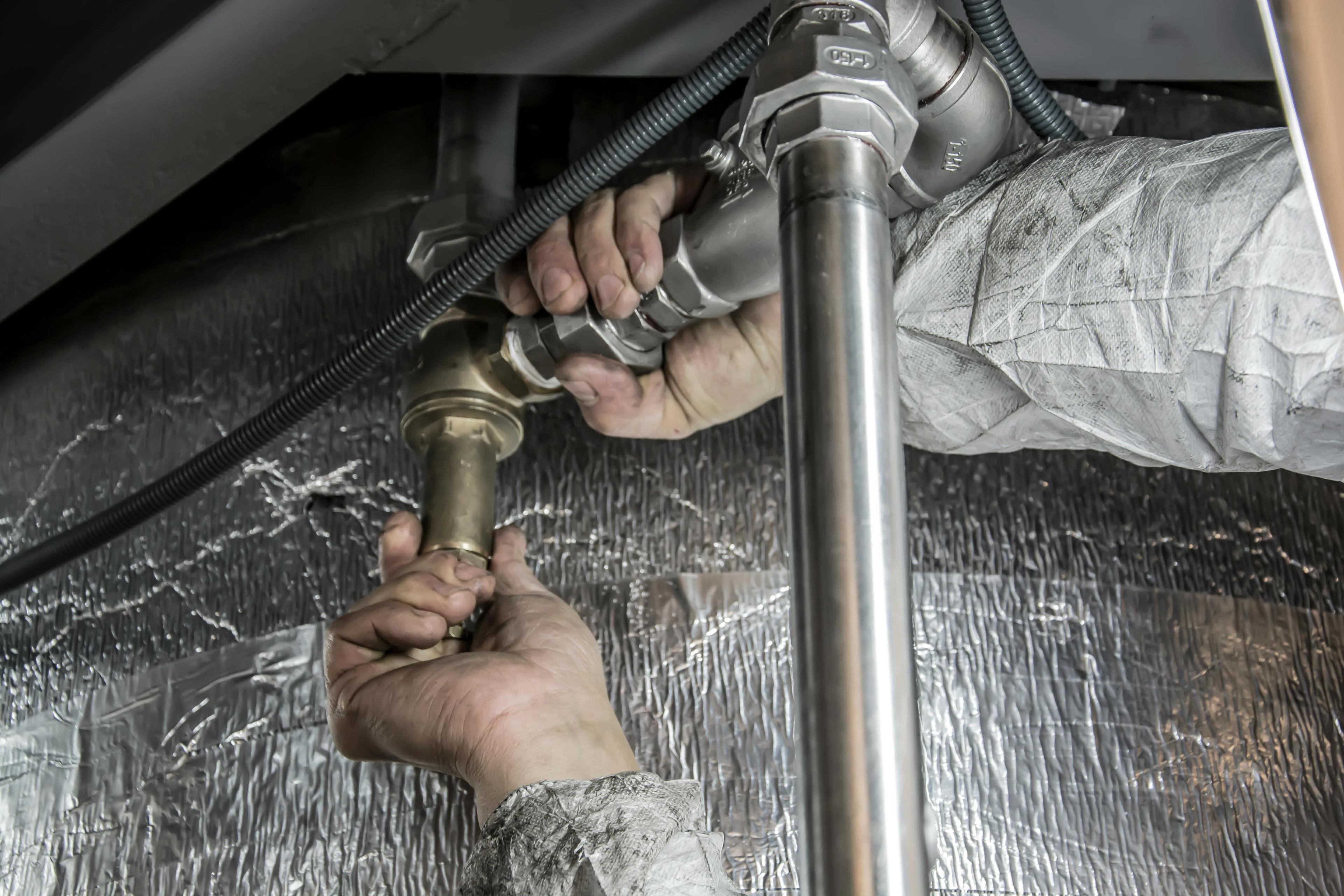
Low Water Pressure in Your Cincinnati Home?
Weak shower flow. A kitchen faucet that fills pots at a crawl. A washing machine that takes forever to complete a cycle. These are signs that something in your plumbing system is restricting water flow, and they frustrate Cincinnati homeowners more than most people realize.
The good news is that learning how to increase water pressure in house plumbing, Cincinnati, OH, often starts with a few simple checks. A partially closed valve, a worn pressure regulator, or aging pipes could be the cause. Many of these problems are fixable in a single service call from a licensed plumbing services team like Nixco Plumbing, which has served the Greater Cincinnati and Mason area since 1978.
Before you start planning a full remodel or assume the worst, read on. This guide walks through the most common causes of low water pressure in Cincinnati and Mason homes and explains what you can do about each one.
Check the Main Shut-Off Valve First
The simplest explanation for sudden low water pressure is also the most overlooked. Your home's main shut-off valve controls every drop of water that enters the plumbing system. If someone bumped it during a repair or renovation, even a partial turn can reduce flow throughout the entire house.
You will typically find the main shut-off near the front foundation wall, in the basement, or in a utility closet. In many Cincinnati homes in ZIP codes 45202, 45219, and 45229, the valve sits near the water meter. Turn it fully counterclockwise (for gate valves) or align the handle with the pipe (for ball valves). Then test multiple faucets in the house to see if flow improves.
This quick step costs nothing. It also prevents an unnecessary service call if the valve was simply left in a half-open position after recent plumbing work.
Inspect the Pressure-Reducing Valve (PRV)
Many homes in the Greater Cincinnati area have a pressure-reducing valve, also called a PRV, installed on the main water line. This bell-shaped brass device sits near the water meter and regulates how much pressure reaches your fixtures. According to plumbing industry standards, normal residential water pressure falls between 40 and 60 PSI. Anything below 40 PSI feels noticeably weak.
PRVs are factory-set between 45 and 55 PSI, but they can drift over time or fail altogether. A failing PRV may choke water pressure down to 20 or 30 PSI without any warning. If you attach a simple pressure gauge (available at most hardware stores for under $20) to an outdoor hose bib, you can read your current static pressure in seconds.
If the reading is low, a plumber can adjust the PRV by turning the adjustment screw clockwise in small quarter-turn increments. If the valve is corroded or stuck, it may need full replacement. Most PRVs last about 10 to 15 years before needing service, according to the International Association of Certified Home Inspectors (InterNACHI).
Homes in Mason (45040), West Chester (45069), and Liberty Township (45044) sit at different elevations, which affects the municipal pressure delivered to each neighborhood. A properly set PRV keeps your indoor pressure steady regardless of where you live in the service area.
How Corroded Galvanized Pipes Restrict Flow Over Time
Older homes throughout Cincinnati, Mason, and surrounding communities often still have galvanized steel pipes. Builders installed galvanized pipes widely before the 1960s. The zinc coating on these pipes was designed to prevent rust, but that protective layer wears away over decades. Once it does, the exposed steel corrodes from the inside out.
This corrosion creates a layer of rust, scale, and mineral deposits that narrows the inside diameter of the pipe. A pipe that once had a full half-inch opening may shrink to the width of a pencil after 50 or 60 years of service. The result is reduced water flow to every fixture the pipe feeds.
You may notice a few warning signs of corroded galvanized pipes. Water that runs brown or rust-colored first thing in the morning is a strong indicator. Pressure that drops sharply when you open more than one fixture at a time is another clue. Hot water pressure that is weaker than cold water pressure also points to interior pipe corrosion, because hot water lines tend to corrode faster.
Cleaning or patching corroded galvanized pipes is a temporary fix at best. The long-term solution is repiping with modern materials like copper or PEX tubing. Copper resists corrosion and lasts up to 100 years. PEX is flexible, affordable, and can last a lifetime with minimal maintenance. Homes in the Hyde Park (45208), Oakley (45209), and Norwood (45212) neighborhoods of Cincinnati are common candidates for repiping due to their age.
The U.S. Environmental Protection Agency (EPA) also notes that aging galvanized pipes can leach lead into drinking water, making replacement a health concern as well as a pressure concern.
When Low Pressure Signals a Hidden Leak
Not every drop in water pressure traces back to a valve or old pipe material. Sometimes low pressure is the first sign of a hidden leak somewhere in your plumbing system.
Leaks can develop in walls, under slabs, or in underground supply lines where you cannot see them. A crack or loose joint diverts water away from your fixtures, which reduces the pressure you feel at the tap. Even a small leak wastes thousands of gallons per year and can cause significant structural damage if left unaddressed.
Watch for these warning signs of a hidden plumbing leak:
Unexplained spikes in your water bill without a change in household usage.
Damp spots on walls, ceilings, or floors that do not have an obvious source.
Mold or mildew growth in areas that should be dry.
The sound of running water when all fixtures are turned off.
Warm spots on the floor, which can indicate a hot water line leak beneath a slab.
A licensed plumber can confirm a leak using pressure testing or camera inspection tools. If you suspect a leak, act fast to minimize damage. Nixco Plumbing provides burst pipe repair and leak detection services across the Greater Cincinnati area, including Loveland (45140), Lebanon (45036), and Hamilton (45011).
Hard Water Buildup and Mineral Deposits
Cincinnati's municipal water supply contains dissolved minerals like calcium and magnesium. Over time, these minerals deposit inside pipes, faucets, and showerheads. The buildup is called scale, and it narrows the space available for water flow.
If your showerhead dribbles when it used to have strong spray, remove it and soak it in white vinegar for an hour. Check each faucet aerator for mineral buildup too. Cleaning these screens often restores flow without a service call.
For whole-house scale problems, a water softener removes excess minerals before they enter your plumbing. A plumber can test your water hardness and recommend the right unit for your home.
Fixture-Level Problems That Mimic Whole-House Issues
Check whether low pressure is limited to one fixture before assuming a system-wide problem. A single slow faucet or weak showerhead may be caused by a clogged aerator, a failing cartridge, or a partially closed shut-off valve under the sink.
Turn each fixture's shut-off valve fully open and clean the aerator screen. If pressure returns, you have found the problem. If the valve is damaged or stuck, a plumber can replace it quickly.
What to Do if Troubleshooting Does Not Work
If you have checked your shut-off valves, inspected the PRV, cleaned your aerators, and still have weak pressure, the problem likely requires professional diagnosis. Issues like corroded supply lines, undersized piping, or municipal supply problems need a trained eye to identify.
Licensed plumbers use pressure gauges, flow meters, and video camera inspections to pinpoint restrictions and leaks invisible to the homeowner. For professional plumbing services in Cincinnati, OH, schedule an evaluation to get clear answers and upfront pricing before any work begins.
Conclusion
Low water pressure signals that something in your plumbing system needs attention, whether that is a valve adjustment, a corroded pipe, or a hidden leak. The causes range from simple fixes you can handle in minutes to problems that require licensed expertise.
Start with the basics. Check your main shut-off valve and PRV. Clean your fixture aerators. Watch for signs of leaks and rust-colored water. If the problem persists, call a professional who can diagnose the root cause and restore full pressure to your home.
Cincinnati and Mason homeowners dealing with aging plumbing or unexplained pressure drops have reliable options. Understanding the cause is the first step toward fixing it.
Frequently Asked Questions About Low Water Pressure
What is normal water pressure for a house?
Normal residential water pressure ranges between 40 and 60 PSI. Pressure below 40 PSI feels weak at faucets and showers. Pressure above 80 PSI can damage pipes, fittings, and appliances. You can measure your home's pressure with a gauge that threads onto any outdoor hose bib.
How do I know if my pressure-reducing valve is bad?
A failing PRV may cause a sudden drop in pressure throughout your home, or it may allow pressure to spike above safe levels. If adjusting the screw on top of the valve does not change the pressure reading on your gauge, the internal diaphragm or spring may be worn. Most PRVs need replacement every 10 to 15 years.
Can old pipes cause low water pressure?
Yes. Galvanized steel pipes corrode from the inside over decades, narrowing the pathway for water. Homes built before 1960 are the most likely to have galvanized plumbing. Replacing old pipes with copper or PEX tubing is the only permanent fix for corrosion-related pressure loss.
How can I tell if I have a hidden water leak?
Look for unexplained increases in your water bill, damp or discolored spots on walls and ceilings, mold in dry areas, or the sound of running water when no fixtures are in use. A plumber can confirm a leak with pressure testing or a camera inspection of your pipes.
Should I call a plumber for low water pressure, or can I fix it myself?
Start with the DIY checks outlined in this guide: verify your shut-off valves are fully open, clean fixture aerators, and test your static pressure with a gauge. If those steps do not resolve the issue, contact a licensed plumber. Problems like corroded pipes, faulty PRVs, and underground leaks require professional tools and training to repair safely.