

What Is the Best Way to Fix Water Damage in Cincinnati, OH?
Finding water damage in your home can be scary. It might be a slow leak from a hidden pipe. Or it could be a flooded basement after heavy rain. Either way, water where it shouldn't be causes stress. Water damage is a common problem for Cincinnati homeowners. But knowing what to do can help protect your home and family. This guide will show you the best ways to fix water damage in Cincinnati, OH.
Water Damage Challenges in Cincinnati
Cincinnati has special challenges when it comes to water damage. The city sits near the Ohio River. It also gets heavy rainfall at times. These factors increase the risk of flooding. Buildings in Cincinnati have a 41% chance of flooding over 30 years. Many homes in the area are older. This makes them more likely to have water problems.
Common causes of water damage in Cincinnati include:
•Basement Flooding: Heavy rains can fill up storm drains. Water then seeps into basements through cracks or windows.
•Sump Pump Failure: Many homes use sump pumps to keep basements dry. When a sump pump fails during a storm, flooding can happen fast.
•Plumbing Problems: Leaky pipes, broken water heaters, and overflowing toilets cause water damage.
•Sewer Backups: Old sewer systems can overflow during heavy rain. This causes sewage to back up into homes. This type of water damage is very dangerous.
Types of Water Damage
Not all water damage is the same. Experts use categories and classes to rate how bad the damage is. This helps them know what to do.
Water Damage Categories
Categories are based on how dirty the water is:
|
Category
|
Type
|
What It Means
|
Examples
|
|
Category 1
|
Clean Water
|
Water from a clean source. Not dangerous to touch.
|
Broken pipes, sink overflows, rainwater.
|
|
Category 2
|
Gray Water
|
Water with some dirt. Can make you sick if you touch or drink it.
|
Washing machine overflow, toilet overflow (no poop).
|
|
Category 3
|
Black Water
|
Very dirty water with germs. Can make you very sick.
|
Sewage backup, river flooding, water that sat for days.
|
Water Damage Classes
Classes are based on how much water there is and how fast it dries:
|
Class
|
What It Means
|
Examples
|
|
Class 1
|
Small amount of water. Dries slowly.
|
Small spill on hard floor.
|
|
Class 2
|
Water spread through a room. Soaked into carpet and walls.
|
Toilet overflow that soaked the bathroom.
|
|
Class 3
|
Lots of water from above. Soaked everything including walls and ceiling.
|
Burst pipe in ceiling that flooded room below.
|
|
Class 4
|
Water soaked into hard materials. Needs special drying.
|
Flooded basement with concrete walls.
|
Why You Need to Act Fast
When it comes to water damage, time matters. The longer water sits, the more damage it causes. The EPA warns that mold can start growing in just 24-48 hours [2].
Health Risks
Mold is bad for your health. It's especially dangerous for kids, older people, and anyone with breathing problems. Mold can cause:
•Allergic reactions
•Asthma attacks
•Breathing problems
•Skin rashes
Black water (Category 3) has germs that can make you very sick. The CDC says homes with sewage are dangerous for families [3].
Damage to Your Home
Water can hurt your home's structure. Wood can rot. Drywall can fall apart. Metal can rust. These problems cost a lot to fix. The faster you remove water and start drying, the less damage your home will have.
How Water Damage Restoration Works
Professional water damage restoration follows clear steps. This makes sure your home is fixed safely and correctly. The process is based on science and years of experience. Here's what happens:
Step 1: Emergency Call
First, call a professional company. They will ask questions about what happened. They want to know how much water there is and what caused the problem. Based on your answers, they send a team to your home fast. Many companies offer 24/7 service.
Step 2: Inspection
The team arrives and does a full inspection. They walk through all affected areas. They measure how much water is there. They find where the water came from. They check if the water is clean or dirty. They look for safety problems like electrical issues. This helps them make a plan for fixing your home.
Step 3: Water Removal
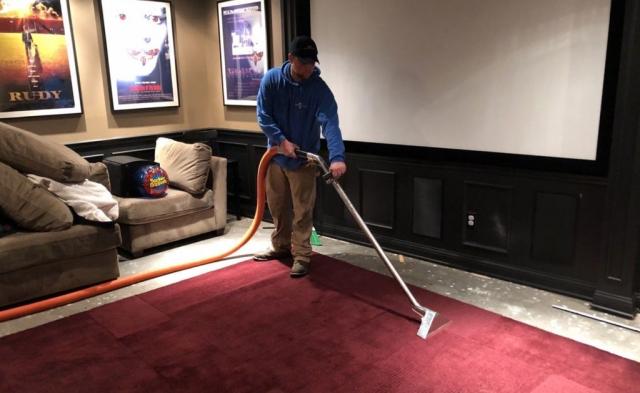
Next, they remove all standing water using strong pumps and vacuums. These machines can remove hundreds of gallons in minutes. Getting the water out fast is key. This step usually takes a few hours.
Step 4: Drying
After removing standing water, moisture is still in walls, floors, and furniture. The team sets up fans and dehumidifiers. These machines run for several days. If things don't dry completely, mold will grow.
Step 5: Cleaning
Once areas are dry, they need cleaning. The team cleans all affected surfaces and removes dirt and germs. For dirty water, they use special cleaners that kill bacteria and viruses. They may also use treatments that stop mold from growing.
Step 6: Monitoring
The team comes back every day to check moisture levels with special meters. If something isn't drying fast enough, they adjust the equipment. This careful watching makes sure the job is done right.
Step 7: Repairs
Once everything is completely dry, repairs begin. The team fixes or replaces damaged materials. They might replace drywall, install new flooring, or paint walls. The goal is to make your home look like the damage never happened.
DIY or Call a Pro?
You might be able to clean up a very small, clean water spill yourself. But for most water damage, you should call a professional. DIY methods often don't remove all the moisture. This can lead to mold later.
Call a professional if:
•The water damage is big.
•The water is dirty (Category 2 or 3).
•You think there might be mold.
•The water has been there for more than 24 hours.
•You don't feel comfortable doing the cleanup.
For Cincinnati homeowners, Yeti Restoration is a trusted choice. They have trained technicians who can handle any water damage. They offer 24/7 emergency service. They also work with your insurance company.
What a Pro Restoration Company Does
When you hire a professional company, they will:
•Come to your home quickly.
•Check your home carefully.
•Give you a price estimate.
•Use professional equipment.
•Keep you updated on progress.
•Work with your insurance.
•Stand behind their work.
Cost of Water Damage Restoration in Cincinnati
The cost of fixing water damage varies. It depends on how bad the damage is and what type of water caused it. Most home projects cost between $1,200 and $5,000. This might seem like a lot. But not fixing water damage properly costs even more later.
What to Do Right Away
When you find water damage, you might feel stressed. But taking the right steps quickly can help.
First, stay safe. If there's standing water, turn off the power from a dry spot. Never touch electrical switches or tools while standing in water. This can kill you. If you smell gas, turn off the gas valve. Open all windows. Leave your house right away. Call the gas company or fire department.
Next, stop the water if you can. Turn off the main water supply. Fix a leaky pipe. Move things away from a leaking roof. Before cleaning, take photos and videos. You'll need these for insurance.
For small amounts of clean water, you can start removing it. Use a wet/dry vacuum, mops, or towels. But for lots of water or dirty water, call professionals. Move furniture to a dry area. Open windows and doors to help air flow.
Even if damage seems small, call a pro for a check. For Cincinnati residents, Yeti Restoration can make sure the job is done right.
Why Professional Equipment Matters
One big reason to hire pros is their equipment. Professional tools are much stronger than what you can buy or rent. Here's what makes their equipment special:
Water Extractors
Professional water extractors are powerful machines. They can remove hundreds or thousands of gallons quickly. These aren't like small wet/dry vacuums you can rent. They have much stronger motors and bigger tanks. This speed matters because every minute counts.
Air Movers and Dehumidifiers
Air movers push large amounts of air across wet surfaces. This speeds up evaporation. Pros place them in strategic spots around your home. Dehumidifiers pull moisture from the air. Commercial ones are much more powerful than home models. They can remove many gallons of water from the air each day.
Moisture Detection Tools
Pros use special tools to find hidden moisture. Moisture meters can detect water inside walls and under floors. Thermal imaging cameras show temperature differences. Wet areas are cooler than dry areas. You can't see this hidden moisture. But if it stays there, mold will grow.
Antimicrobial Treatments
After everything is dry, pros apply special treatments. These kill mold spores and bacteria. They also help prevent new growth. This final step protects your health.
Working with Insurance
Dealing with insurance can be stressful. But knowing what to expect helps. Insurance can cover most of your water damage costs. But you need to understand how it works.
Know Your Policy
Before filing a claim, read your policy carefully. Most cover sudden water damage like burst pipes. But they might not cover flooding from outside or slow leaks over time. If you're not sure what's covered, call your insurance agent.
Document Everything
Take photos and videos of all damage from different angles. Show the water source if you can. Do this before you move anything. Keep all receipts for hotel stays and emergency repairs. Your insurance might pay you back.
File Your Claim Quickly
Call your insurance company as soon as possible. They will assign an adjuster to look at the damage. Be honest and show them everything.
Get Help from Your Restoration Company
A good restoration company will help with insurance. Yeti Restoration works directly with insurance adjusters. They provide detailed reports and fair estimates. This makes the process smoother.
Understand Your Deductible
Your deductible is the amount you pay first. If your deductible is $1,000, you pay the first $1,000. Then insurance pays the rest. Make sure you know what your deductible is.
Preventing Future Water Damage
You can't always stop water damage. But you can lower your risk. Here are smart steps to protect your Cincinnati home:
Regular Inspections
Check your home regularly. Walk through your basement, attic, and crawl spaces. Look for water stains, mold, or musty odors. Catching problems early saves money.
Maintain Your Plumbing
Have a plumber check your plumbing once a year. They can spot problems before they get bad. Replace old pipes before they break. Fix leaks as soon as you find them.
Take Care of Gutters
Clean your gutters at least twice a year in spring and fall. Clogged gutters overflow and send water down your walls. Make sure downspouts point water at least 5 feet away from your home.
Test Your Sump Pump
If you have a sump pump, test it regularly. Pour a bucket of water into the sump pit. The pump should turn on and pump the water out. Get a battery backup system for power outages.
Seal Your Foundation
Walk around your home's foundation and look for cracks. Buy waterproof sealant from a hardware store and fill in the cracks. This simple job can save you from big problems.
Install Water Alarms
Water alarms are cheap at $10-20 each. They beep loudly when they detect water. Put them in your basement, near your water heater, under sinks, and by your washing machine.
Upgrade Old Appliances
Water heaters last about 10 years. Washing machines last about 10-15 years. If yours are older, think about replacing them. Check hoses on washing machines and dishwashers every 5 years.
Know Your Shut-Off Valve
Find your main water shut-off valve. It's usually in the basement or crawl space. Make sure everyone in your family knows where it is and how to turn it off. This can save you thousands of dollars in damage.
Special Considerations for Cincinnati Homeowners
Cincinnati's location and weather create unique challenges. Understanding these helps you prepare better.
Seasonal Risks
Spring brings heavy rains to Cincinnati. This is when most flooding happens. Check your sump pump before spring arrives. Make sure your gutters are clean. Winter can also cause problems. Frozen pipes can burst when they thaw. Keep your home warm enough to prevent frozen pipes.
Older Homes
Many Cincinnati homes are older. Older homes often have older plumbing. They may have cast iron pipes that rust. They may have clay sewer lines that crack. If you have an older home, pay extra attention to your plumbing. Consider having a plumber do a camera inspection of your sewer line.
Basement Issues
Basements are common in Cincinnati. They're also where most water damage happens. Make sure your basement has good drainage. Check for cracks in the foundation. Consider a professional waterproofing system if you have frequent problems.
Conclusion
Water damage can be scary for any homeowner. But you can handle it. Understand the risks. Act fast. Hire a professional company. This will help you fix the damage and get your home back to normal.
Remember the key points: Stop the water source. Remove standing water quickly. Dry everything completely within 24-48 hours. Clean and sanitize all affected areas. Don't try to handle major damage yourself. The cost of doing it wrong is much higher than hiring professionals.
If you have water damage in Cincinnati, call Yeti Restoration. They have the skills and tools to handle any water problem. They understand Cincinnati's unique challenges. They work with your insurance company. They offer 24/7 emergency service. They'll be with you every step of the way.
References
[1] ClimateCheck. (n.d.). Cincinnati, Ohio Climate Change Risks and Hazards. Retrieved from https://climatecheck.com/ohio/cincinnati
[2] U.S. Environmental Protection Agency. (2022, March 27). A Brief Guide to Mold, Moisture and Your Home. Retrieved from https://www.epa.gov/mold/brief-guide-mold-moisture-and-your-home
[3] Centers for Disease Control and Prevention. (2024, February 6). Safety Guidelines: Reentering Your Flooded Home. Retrieved from https://www.cdc.gov/floods/safety/reentering-your-flooded-home-safety.html