

Why Does Your Toilet Keep Running or Leaking and Is It Costing You More Than You Think
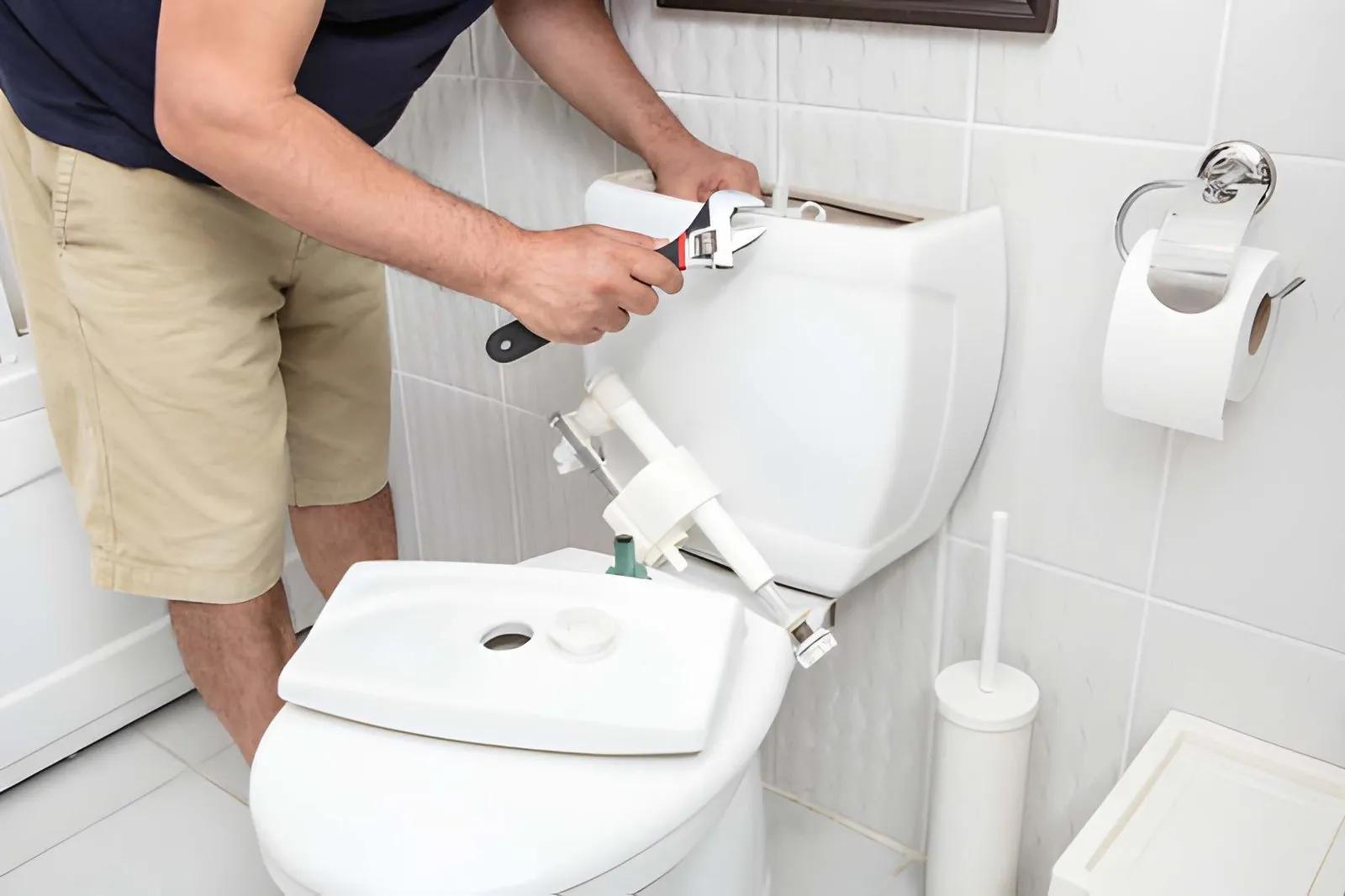
A toilet that never seems to stop running or a slow drip beneath the tank might seem like minor annoyances, but these common household problems carry real financial consequences. Homeowners dealing with these issues often delay action, assuming the problem is trivial or too expensive to address. The truth is that ignoring a faulty toilet can quietly drain your wallet month after month. Whether you are exploring toilet repair and installation in your area or simply trying to understand what is happening inside your bathroom, this guide breaks down the causes, the costs, and the smartest path forward.
Why Toilets Keep Running After Flushing
When you flush a toilet, a series of mechanical components work together to refill the tank and seal it shut until the next flush. When any one of those parts fails, the toilet may keep running indefinitely. The most common culprit is a worn flapper, the rubber seal at the bottom of the tank that closes off the water supply once the tank is full. Over time, rubber degrades, warps, or becomes coated with mineral deposits that prevent a proper seal.
Another frequent cause is a faulty fill valve. The fill valve controls how water enters the tank after a flush. When it malfunctions, it may allow water to run past the overflow tube or fail to shut off entirely. A float that is set too high can produce a similar effect, causing water to spill continuously into the bowl through the overflow tube.
Chain tension is another overlooked factor. If the chain connecting the flush handle to the flapper is too long, it can get caught beneath the flapper, preventing it from sealing. A chain that is too short may hold the flapper open even after the flush is complete. These issues sound small, but their effect on your water bill is anything but.
Common Causes of Hidden Toilet Leaks
Not all toilet leaks are visible. Some of the most damaging leaks happen silently between the tank and the bowl, going completely unnoticed for months. According to the United States Environmental Protection Agency, a single leaking toilet can waste up to 200 gallons of water per day. Over a month, that adds up to thousands of gallons lost without a single visible puddle.
The dye test is one of the simplest ways to detect a hidden leak. By placing a few drops of food coloring into the tank and waiting 15 minutes without flushing, you can check whether color appears in the bowl. If it does, water is seeping past the flapper and leaking into the bowl continuously.
How Water Waste Increases Monthly Bills
Water waste from a running or leaking toilet translates directly to higher utility bills. A toilet that runs constantly can consume between 1,000 and 4,000 gallons of water per day depending on the severity of the issue, according to data published by American Water Works Association. Even a modest leak adding a few hundred gallons per day can meaningfully raise your monthly charges.
Beyond the water itself, some households pay for sewage based on water consumption, meaning a running toilet can increase both the water and sewer portions of the utility bill simultaneously. Over the course of a year, this waste can translate into a significant financial burden that far exceeds the cost of a simple repair.
Cost of Fixing a Running or Leaking Toilet
Toilet repairs are generally straightforward and inexpensive when addressed early. Replacing a flapper typically takes less than an hour and requires only basic tools. Fill valve replacements are similarly accessible for a motivated DIYer, though hiring a plumber ensures the job is done correctly and provides peace of mind.
More complex repairs, such as replacing the wax ring, addressing a cracked tank, or repairing internal valve assemblies, require a bit more effort and expertise. These are still considered minor plumbing jobs by professional standards, and addressing them promptly is almost always more economical than allowing the water waste to continue accumulating on your monthly bill.
When Repair Is No Longer Effective
There are situations where repair no longer makes financial or practical sense. If a toilet requires repeated fixes year after year, the cumulative cost of labor and parts can begin to rival or exceed the cost of a full replacement. Cracks in the porcelain, whether visible on the tank exterior or hidden in the bowl structure, are signs that replacement is the only lasting solution. Porcelain cannot be effectively patched, and a cracked toilet poses ongoing leak risk regardless of how many other components are serviced.
Extremely old toilets, particularly those manufactured before 1994, use significantly more water per flush than modern low-flow models. The Natural Resources Defense Council notes that upgrading from an older high-volume toilet to a modern WaterSense-certified model can save tens of thousands of gallons annually. In these cases, replacement is not just a repair decision but a long-term investment in household efficiency.
Frequent clogging that does not respond to plunging or snaking, persistent rocking or instability at the base, and a toilet that has sustained physical damage are all signs that it is time to consider a new installation.
Signs You Need a New Toilet Installed
Knowing when to replace rather than repair can save time, money, and recurring frustration. The clearest signs that a new toilet is warranted include visible cracks in the tank or bowl, persistent leaks that return after multiple repairs, a toilet that wobbles noticeably, and one that requires constant adjustments to the internal mechanisms to function at all.
Age is also a reliable indicator. If your toilet is several decades old, its internal components may be difficult to source as replacement parts, and its water consumption is almost certainly higher than contemporary models. Upgrading to a newer fixture not only resolves reliability issues but actively reduces water usage going forward.
How to Choose the Right Toilet for Replacement
Selecting a new toilet involves several practical considerations. Rough-in measurement, the distance from the wall to the center of the drain flange, determines which toilet models will fit your existing plumbing configuration. The most common measurement is 12 inches, though 10-inch and 14-inch configurations exist in older homes.
Bowl shape is another factor. Elongated bowls are generally considered more comfortable for adults, while round bowls occupy less space and may be more practical in compact bathrooms. Two-piece toilets, with separate tanks and bowls, are typically easier to transport and install. One-piece models offer a sleeker appearance and are easier to clean but tend to be heavier.
For households focused on water conservation, dual-flush toilets offer separate flush options for liquid and solid waste, minimizing water usage with each flush. WaterSense-labeled products certified by the EPA use no more than 1.28 gallons per flush while meeting rigorous performance standards.
What to Expect During Professional Installation
A professional toilet installation typically involves removing the old unit, inspecting and replacing the wax ring, securing the new toilet to the floor flange, connecting the water supply line, and testing for leaks. The process is generally completed within a few hours by an experienced plumber.
Before installation begins, it helps to confirm the new toilet's rough-in measurement matches your bathroom's existing configuration. A qualified plumber can also assess whether the floor around the drain shows any signs of water damage that should be addressed before the new fixture is set in place.
If you are located in the area and need professional assistance, you can also find verified local service providers through Google Maps to connect with trusted plumbing professionals near you.
Tips to Prevent Future Toilet Problems
Routine maintenance is the most effective way to avoid recurring toilet issues. Periodically inspecting the flapper, fill valve, and supply line connections takes only a few minutes and can catch early-stage wear before it becomes a leak. Running a dye test every six months helps detect slow internal leaks that might otherwise go unnoticed.
Avoiding the use of in-tank cleaning tablets that contain bleach is also advisable, as these can accelerate rubber degradation and shorten the lifespan of the flapper and other components. Flushing only toilet paper and human waste prevents clogs that strain the toilet's internal mechanisms and can lead to seal failures over time.
If you live in an area with hard water, mineral buildup inside the tank and on valve components can interfere with their function. Periodic descaling or the use of a water softener can extend the life of your toilet's internal parts considerably.
Conclusion
A running or leaking toilet is rarely just a minor inconvenience. Left unaddressed, it can silently waste thousands of gallons of water and significantly inflate your monthly utility bills. Understanding the root causes, from worn flappers and faulty fill valves to hidden tank-to-bowl leaks, puts you in a position to take action before the problem compounds. In many cases, a relatively simple repair restores full function and stops the waste entirely. In others, particularly with older or repeatedly failing fixtures, replacement is the smarter and more cost-effective long-term choice. Whether you opt for a DIY fix or prefer to bring in a professional, acting promptly is always the right call.
Frequently Asked Questions
How do I know if my toilet is leaking without seeing any water on the floor?
The most reliable method is the dye test. Add a few drops of food coloring to the toilet tank and wait about 15 minutes without flushing. If the color appears in the bowl, you have a leak between the tank and bowl, typically caused by a faulty flapper. Silent leaks of this type are extremely common and can waste a surprising amount of water before they are ever detected.
Can a running toilet really make a noticeable difference in my water bill?
Yes, and in many cases the difference is substantial. A toilet that runs continuously can waste hundreds to thousands of gallons of water per day depending on the severity. Over a billing cycle, this can result in a noticeably higher charge. Many homeowners discover the cause of an unexplained bill increase only after having their plumbing inspected, and the toilet is a frequent source.
Is it always better to repair a toilet rather than replace it?
Not always. If a toilet is older, uses significantly more water per flush than modern models, or requires repairs on a regular basis, replacement often makes more financial sense over time. A modern low-flow toilet can substantially reduce water consumption, meaning the savings on your utility bill can offset the cost of a new unit relatively quickly.
What is a wax ring and how do I know if mine needs replacing?
A wax ring is a seal between the base of the toilet and the drain flange set into the floor. It creates a watertight connection that prevents sewer gases and water from escaping during flushing. Signs that it may need replacing include moisture or water staining around the base of the toilet, an unpleasant odor near the toilet, or the toilet rocking or shifting when in use. A compromised wax ring should be replaced promptly to prevent floor and subfloor damage.
How long does a typical toilet installation take when done by a professional?
Most standard toilet installations are completed within one to three hours by a qualified plumber. The timeline can vary depending on whether the old unit requires additional work to remove, whether the floor shows signs of water damage that need to be repaired, and whether any modifications to the supply line or flange are needed. Discussing the scope of work in advance with your plumber gives you a clearer picture of what to expect.