

Do You Need a Permit to Remodel Your Kitchen? Here's What Ohio Homeowners Should Know
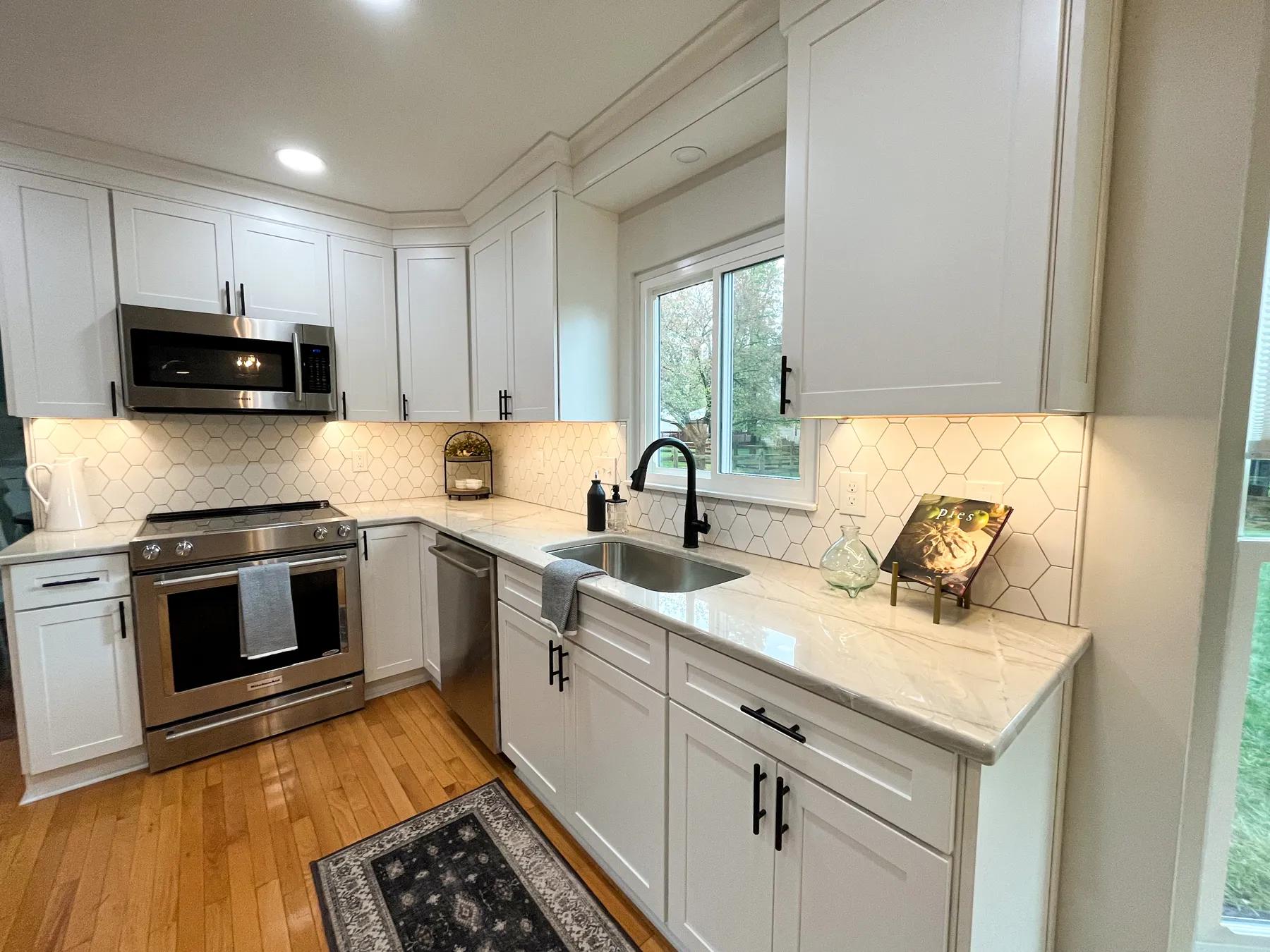
Kitchen Remodelling
Planning a kitchen remodel is exciting, but before any work begins, one question catches many Ohio homeowners off guard. Do you need a permit to remodel a kitchen in Loveland, OH and the greater Cincinnati area? The answer depends on what the project involves. Some updates move forward without local approval. Others require building, plumbing, or electrical permits before a single wall is opened.
If you are considering a kitchen remodel in Loveland, OH, understanding the permit process early saves time, money, and stress. Skipping permits might feel like a shortcut, but it can create problems that follow you for years. This guide breaks down which projects need permits, what the risks look like, and how the process works locally.
Which Kitchen Remodel Projects Require a Permit in Ohio?
Ohio follows the Residential Code of Ohio (R.C.O.) for single-family homes. The state requires permits (called "approvals" under Ohio code) for work that affects a home's structure, electrical system, plumbing, or mechanical systems. Local building departments enforce these rules and sometimes add their own requirements on top of the state code.
Here is a clear breakdown of what typically needs a permit and what does not.
Work That Usually Requires a Permit
Removing or moving walls. Any change to load-bearing or partition walls is a structural modification. This always triggers a building permit.
Rerouting plumbing lines. Moving a sink, adding a dishwasher water line in a new location, or relocating gas lines for a range requires a plumbing or gas permit.
Electrical panel upgrades or new circuits. Adding new outlets, wiring for under-cabinet lighting in new locations, or upgrading an electrical panel to support modern appliances requires an electrical permit.
Installing or relocating a gas line. Gas work carries safety risks that local building departments take seriously. A mechanical permit is required.
Adding or modifying HVAC ductwork. If the remodel affects ventilation, exhaust fans, or range hood ducting connected to the home's HVAC system, a mechanical permit applies.
Changing the kitchen footprint. Expanding the kitchen into an adjacent room or building an addition requires building permits and possibly zoning approval.
Work That Typically Does Not Require a Permit
Painting walls and ceilings. Cosmetic finishes do not need approval.
Replacing countertops without plumbing changes. If the sink stays put and plumbing connections remain untouched, no permit is needed.
Installing new backsplash tile. Surface finishes are cosmetic work.
Swapping cabinet hardware or refacing cabinets. Changing knobs, pulls, or door fronts is not a system change.
Replacing flooring. New tile, hardwood, or vinyl over an existing subfloor does not trigger a permit.
Replacing a faucet or light fixture in the same location. Simple swaps that do not alter wiring or plumbing are generally exempt.
The line between permit-required and permit-free work can blur. A countertop replacement is cosmetic on its own. But if the new counter includes a different sink size that requires plumbing adjustments, a permit comes into play. When in doubt, contact your local building department before work begins.
What Happens If You Skip a Permit?
Many homeowners are tempted to skip the permit process. It costs money, adds time, and involves inspections. But the consequences of skipping it are far more expensive than the permit itself.
Failed Inspections and Code Violations
Work done without permits is, by definition, uninspected. When a building inspector discovers unpermitted work, they can require the homeowner to open finished walls for examination. If it does not meet current codes, the homeowner pays to have it corrected. In some cases, entire sections of a remodel must be torn out. According to the City of Loveland Building Department, all construction activity beyond finishes like paint and flooring requires approval.
Problems During a Home Sale
Unpermitted work is one of the most common deal-breakers in Ohio real estate. When a buyer's inspector flags work done without permits, appraisers may lower the home's value. Buyers may demand retroactive permits or price reductions. Lenders backing FHA or VA loans may refuse to finance the purchase until the work is brought into compliance. Ohio law requires sellers to disclose known defects, and unpermitted work falls into that category.
Insurance Gaps and Denied Claims
Homeowners insurance covers permitted work. If damage results from unpermitted plumbing or electrical work, your insurer can deny the claim entirely. A kitchen fire caused by improperly installed wiring that was never inspected could leave you paying out of pocket. Some insurers may cancel coverage when they discover unpermitted modifications. According to Angi, the lack of permits can invalidate coverage and create obstacles during refinancing.
Fines and Penalties
Ohio municipalities can fine homeowners for unpermitted construction. In Hamilton County, the fee schedule includes penalties for missed inspections and unapproved work. Violations can result in fines of up to $300 per offense under Ohio Revised Code Section 307.99.
How the Permitting Process Works in the Loveland and Cincinnati Area
If your kitchen remodel requires a permit, the process in the Loveland and greater Cincinnati area (ZIP codes 45140, 45039, 45242, 45236, 45208, 45226, 45150) is straightforward once you know the steps.
Step 1: Contact the Building Department
The City of Loveland Building and Zoning Department is the starting point for projects in Loveland. Call (513) 707-1447 to schedule a meeting with the Chief Building Official. For projects in Cincinnati, the Cincinnati Department of Planning and Buildings handles permits. Call (513) 352-3313 for details. Nearby communities like Mason, Montgomery, Blue Ash, and Hyde Park each have their own departments.
Step 2: Submit Your Application
The application covers who will do the work, what will be done, where it will happen, and how it will be done. You will need project plans showing the kitchen layout, electrical and plumbing locations, and any structural changes. Depending on scope, you may need separate applications for building, plumbing, electrical, and mechanical permits. Loveland accepts applications online and in person.
Step 3: Plan Review
City staff review your plans for compliance with the Residential Code of Ohio and local ordinances. In Loveland, plan review currently takes 20 to 30 working days per round. If your plans do not comply, you will receive comments explaining what needs to change.
Step 4: Receive Your Permit and Begin Work
Once approved, you pay the fee and work can begin. Electrical and plumbing permits typically average around $300. Structural building permits for larger projects can range from $900 to over $1,000 depending on square footage and complexity. Hamilton County uses a formula based on gross area and construction type to calculate fees. Work should not begin before the permit is issued.
Step 5: Schedule Inspections
The building department inspects work at key stages and after completion. A final inspection confirms everything meets code. Missed inspection fees in Hamilton County run around $288 for residential projects.
Why Working With a Licensed Contractor Matters
Ohio homeowners can legally do some work on their own primary residence. But handling permits, code compliance, and inspections alongside the physical work of a remodel is a big undertaking. An experienced contractor handles permitting as part of the project. They know which permits to pull, how to prepare plans that pass review, and how to schedule inspections so the project stays on track.
A contractor familiar with Loveland, Mason, Montgomery, and Cincinnati understands each local building department's specific requirements. That local knowledge prevents delays from incorrect filings or code misinterpretations.
TMC Construction Services in Loveland, OH manages permitting, inspections, and code compliance for every kitchen remodeling project. Their dedicated in-house team handles the process from design through final walkthrough, so homeowners never navigate permits alone.
Conclusion
Knowing whether your kitchen remodel needs a permit is the first step toward protecting your home and investment. Cosmetic updates like paint, backsplash, and hardware swaps move forward without permits. But the moment your project touches plumbing, electrical, gas, or structural elements, a permit is required under Ohio's Residential Code.
Skipping permits creates risks that outweigh the cost of doing it right. Failed inspections, claim denials, and real estate complications are avoidable. For homeowners in Loveland, Mason, Montgomery, Hyde Park, and surrounding communities, the permit process is manageable when you understand the steps and work with a knowledgeable contractor. Talk to your local building department before the project starts, and your new kitchen will be a space you enjoy with complete peace of mind.
Frequently Asked Questions
Do I need a permit to replace kitchen cabinets in Ohio?
Not usually. Replacing or refacing cabinets is cosmetic work that does not require a permit in most Ohio jurisdictions. However, if the replacement involves electrical changes (like adding under-cabinet lighting) or plumbing modifications (like moving a dishwasher connection), those specific changes require separate permits.
How long does it take to get a kitchen remodel permit in Loveland, OH?
Plan review in Loveland currently takes 20 to 30 working days per round. If your plans comply on the first submission, you could have your permit within a month. Revisions add additional review time. Electrical and plumbing permits from separate agencies may have different timelines.
Can I pull my own permits as a homeowner in Ohio?
Yes. Ohio allows homeowners to perform and permit work on their own primary residence. You will need to fill out a homeowner affidavit as part of the application. You are responsible for meeting all code requirements and scheduling inspections, just like a licensed contractor.
What is the cost of a kitchen remodel permit in the Cincinnati area?
Costs depend on scope and jurisdiction. Electrical and plumbing permits typically average around $300 each. Building permits for structural changes can range from $900 to over $1,000. Hamilton County calculates fees based on gross area, construction type, and a permit fee multiplier. Contact your local building department for an exact estimate.
What should I do if my home has unpermitted kitchen work from a previous owner?
Contact your local building department about the retroactive permit process. In most Ohio jurisdictions, you can apply for permits after the fact. An inspector will need to examine the work, which may require opening walls. If the work meets code, permits can be issued. If not, corrections must be made. Addressing unpermitted work proactively is always better than discovering it during a home sale or insurance claim.