

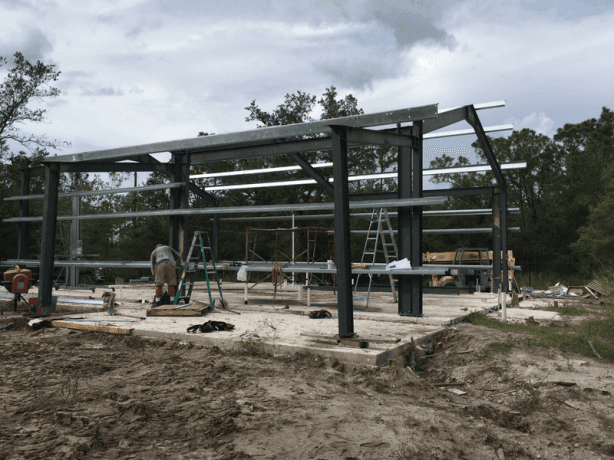
How Much Does a General Contractor Charge in Florida?
Embarking on a construction project in the Sunshine State can be an exciting venture, whether you're building your dream home, renovating your existing space, or undertaking a commercial project. However, one of the most critical aspects to consider before breaking ground is the cost. A significant portion of your budget will be allocated to the general contractor, the professional responsible for overseeing the entire project from start to finish. Understanding how general contractors charge for their services in Florida is crucial for effective budgeting and ensuring your project's success.
This comprehensive guide will walk you through the various pricing models general contractors use in Florida, the key factors that influence their charges, and provide valuable tips on how to get the best value for your investment. By the end of this article, you'll have a clearer understanding of what to expect when hiring a general contractor in Florida, empowering you to make informed decisions for your next construction project.
Understanding General Contractor Pricing Models
General contractors in Florida typically use one of three primary pricing structures to bill for their services. Each model has its own set of advantages and disadvantages, and the most suitable one for your project will depend on its scope, complexity, and your personal preferences.
Percentage-Based Fee
The most common pricing model used by general contractors in Florida is the percentage-based fee. Under this structure, the contractor charges a percentage of the total project cost, which typically ranges from 15% to 25%. This fee covers the contractor's overhead and profit. For instance, if your total construction cost is $200,000 and the contractor's fee is 20%, you would pay the contractor $40,000.
It's important to note that the percentage can vary based on the project's size and complexity. Smaller projects may command a higher percentage to compensate for the contractor's fixed costs, while larger, more expensive projects might have a lower percentage. According to industry data, the national average for contractor fees ranges from 10% to 20%, but Florida contractors often charge at the higher end of this spectrum due to the state's unique building requirements and market conditions.
This model is often favored for its transparency, as the contractor's fee is directly tied to the project's cost. It also aligns the contractor's interests with yours, as they benefit from completing the project efficiently and within budget. However, it's essential to have a clear understanding of what is included in the total project cost and what might be considered an additional expense.
Fixed-Fee or Lump-Sum
Another popular pricing model is the fixed-fee or lump-sum contract. In this arrangement, the general contractor agrees to complete the project for a predetermined, all-inclusive price. This fee is calculated based on the estimated costs of labor, materials, and a markup for the contractor's overhead and profit. The primary advantage of a fixed-fee contract is that it provides budget certainty, as you know the total cost of the project upfront.
However, this model can be less flexible if you decide to make changes or additions to the project scope, as these will likely result in change orders and additional costs. Fixed-fee contracts are best suited for projects with a clearly defined scope and minimal expected changes. When considering a fixed-fee contract, make sure the contract clearly outlines what is included in the price and what might incur additional charges.
Cost-Plus
The cost-plus pricing model involves the client paying for the actual costs of labor and materials, plus a predetermined fee to the general contractor. This fee can be a fixed amount or a percentage of the total costs. While this model offers a high degree of transparency, it also carries the risk of cost overruns, as the contractor has less incentive to control costs. For this reason, the cost-plus model is generally discouraged for most residential projects and is more commonly used in large-scale commercial construction where the project scope is difficult to define upfront.
If you do opt for a cost-plus contract, it's crucial to set a cap on the total cost and to require detailed documentation of all expenses. This will help protect you from unexpected cost increases and ensure that the contractor is being responsible with your money.
Hourly Rates
While less common for large projects, some general contractors may charge an hourly rate for their services, particularly for smaller jobs or consulting work. According to a 2025 report by Angi, the national average hourly rate for a general contractor is between $50 and $150 [1]. However, this can vary significantly based on the contractor's experience, location, and the nature of the work.
Hourly rates can be a good option for small repairs or projects where the scope is uncertain. However, it's important to set clear expectations about the number of hours the project will take and to get regular updates on the progress to avoid any surprises when the bill arrives.
Key Factors Influencing General Contractor Costs in Florida
Several factors can influence the total cost of hiring a general contractor in Florida. Understanding these variables will help you better anticipate your project's budget and identify areas where you might be able to save money.
Project Size and Complexity
As you might expect, the larger and more complex your project, the more it will cost. A simple bathroom remodel will be significantly less expensive than a full home addition or a new custom home. The complexity of the design, the quality of materials, and the level of finishes will all play a role in determining the final price.
For example, a small repair project might take only 2 to 4 hours and cost between $100 and $800. A medium-sized remodel could require 20 to 60 hours of work and cost between $1,000 and $9,000. A full renovation might take 100 to 300 hours and cost anywhere from $5,000 to $45,000 or more.
Labor Costs
Labor is a significant component of any construction budget. The cost of labor can vary depending on the experience and reputation of the general contractor and their subcontractors. Highly skilled and experienced professionals will command higher rates, but they can also deliver a higher quality of work and complete the project more efficiently.
In Florida, labor costs can also be influenced by local market conditions. Areas with high demand for construction services, such as South Florida, may have higher labor rates than more rural areas. Additionally, specialized subcontractors, such as electricians, plumbers, and HVAC technicians, typically charge higher hourly rates than general laborers.
Materials Costs
The cost of construction materials can be volatile and is subject to market fluctuations. The price of lumber, steel, concrete, and other materials can have a significant impact on your project's budget. A good general contractor will have established relationships with suppliers and can often secure better pricing than an individual homeowner.
In recent years, material costs have been particularly volatile due to supply chain disruptions and increased demand. It's important to factor in potential price increases when budgeting for your project and to work with your contractor to identify cost-effective material alternatives where possible.
Permits and Fees
Every construction project in Florida requires permits from the local building department. The cost of these permits can vary depending on the size and scope of your project. Your general contractor will typically handle the permitting process, and the cost of the permits will be included in their overall fee.
In addition to building permits, you may also need to pay for other fees, such as impact fees, utility hookup fees, and stormwater management fees. These costs can add up quickly, so it's important to factor them into your budget from the outset.
Location
Construction costs can also vary depending on your location within Florida. Costs are generally higher in major metropolitan areas like Miami, Fort Lauderdale, Tampa, and Orlando compared to more rural parts of the state. This is due to a variety of factors, including higher labor costs, greater demand for construction services, and higher land prices.
Additionally, coastal areas may have higher construction costs due to the need to comply with stricter building codes designed to withstand hurricanes and other severe weather events.
Florida-Specific Construction Costs
In addition to the general factors that influence construction costs, there are a few things that are specific to Florida that you should be aware of.
Construction Costs Per Square Foot
According to Garzone Construction, the average cost to build a basic stick-built home in Florida ranges from $100 to $150 per square foot [2]. For brick or concrete homes, the cost will be higher. This is just a general guideline, and the actual cost of your project will depend on the specific details of your design and the quality of materials you choose.
For a more detailed breakdown, basic stick-built homes typically fall in the $100 to $150 per square foot range, while homes constructed with brick or concrete can range from $150 to $280 per square foot or more, depending on the level of customization and finishes.
Florida Building Codes
Florida has some of the strictest building codes in the country, particularly in coastal areas that are prone to hurricanes. These codes are designed to ensure that buildings are safe and can withstand high winds and other extreme weather events. While these codes are essential for protecting your property and your family, they can also add to the cost of construction.
For example, homes in coastal areas may need to be built with impact-resistant windows and doors, reinforced roofing systems, and elevated foundations. These requirements can significantly increase the cost of construction but are necessary to ensure the safety and durability of your home.
Insurance Requirements
It is crucial to ensure that your general contractor has adequate insurance coverage, including general liability and workers' compensation. This will protect you from any liability in the event of an accident or injury on your property. A reputable contractor will be happy to provide you with proof of their insurance coverage.
In Florida, contractors are required to carry workers' compensation insurance if they have employees. General liability insurance protects you from damage to your property or injuries to third parties that may occur during the construction process.
What Does a General Contractor's Fee Cover?
Understanding what is included in a general contractor's fee can help you better evaluate quotes and ensure you're getting good value for your money. Typically, a general contractor's fee covers the following:
•Project Management: The contractor is responsible for overseeing all aspects of the project, including scheduling, coordinating subcontractors, and ensuring that work is completed according to plan.
•Overhead Costs: This includes the contractor's office expenses, insurance, licensing fees, and other business-related costs.
•Profit Margin: Like any business, general contractors need to make a profit to stay in business. According to the National Association of Home Builders, the average builder profit margin was 11.0% in 2024.
•Coordination with Subcontractors: The general contractor hires and manages all subcontractors, such as electricians, plumbers, and HVAC technicians.
•Permitting and Inspections: The contractor handles all necessary permits and coordinates inspections with local building departments.
•Quality Control: The contractor ensures that all work meets quality standards and building codes.
Common Add-Ons and Additional Costs
In addition to the general contractor's base fee, there may be additional costs associated with your project. Some common add-ons include:
•Project Management or Supervision Fees: Some contractors charge an additional fee for project management or on-site supervision, typically around $45 per hour.
•Architectural Consultation: If you need help with design or architectural plans, you may need to hire an architect, which can cost between $100 and $500 per hour .
•Specialty Subcontractors: Certain specialized trades, such as custom cabinetry or high-end finishes, may require specialty subcontractors who charge premium rates, typically between $80 and $200 per hour.
•Custom Finishes or Upgrades: If you want custom finishes or upgrades beyond the standard specifications, expect to pay extra, typically between $40 and $100 per hour .
•Expedited or Rush Project Fees: If you need your project completed on a tight timeline, the contractor may charge a premium, typically 10% to 25% above their standard rates .
•Post-Construction Cleanup: Some contractors include cleanup in their base fee, while others charge extra for this service.
How to Get the Best Value from Your General Contractor
Hiring a general contractor is a significant investment, so it's important to do your due diligence to ensure you're getting the best possible value for your money. Here are a few tips to help you make a smart hiring decision:
Get Multiple Quotes
Don't just hire the first contractor you talk to. Get at least three different quotes from reputable contractors in your area. This will give you a good sense of the market rate for your project and help you identify any outliers. When comparing quotes, make sure you're comparing apples to apples. Look at what is included in each quote and ask questions if anything is unclear.
Clearly Define Your Project Scope
The more detailed your project plan, the more accurate your contractor's bid will be. A clear scope of work will also help to prevent misunderstandings and costly change orders down the road. Work with your contractor to create a detailed project plan that outlines all of the work to be done, the materials to be used, and the timeline for completion.
Communicate Openly
Good communication is key to a successful construction project. Make sure you have a good rapport with your contractor and that you feel comfortable asking questions and expressing your concerns. Establish a regular communication schedule, such as weekly meetings or phone calls, to stay updated on the project's progress.
Check References and Credentials
Before you hire a contractor, be sure to check their references. Talk to previous clients to get a sense of their experience working with the contractor. You can also check the contractor's rating with the Better Business Bureau and verify their license with the Florida Department of Business and Professional Regulation.
Schedule Work During Off-Peak Seasons
If possible, schedule your project during the off-peak season when contractors may have more availability and be willing to offer lower rates. In Florida, the off-peak season is typically during the summer months when demand for construction services is lower.
Bundle Multiple Projects
If you have multiple projects that need to be completed, consider bundling them together. Contractors may be willing to offer a discount for larger projects or multiple jobs.
Why Choose a Reputable General Contractor?
While it may be tempting to hire a less expensive, unlicensed contractor, this can be a risky proposition. A reputable general contractor, like NexGen Constructors, will have the experience, knowledge, and resources to ensure your project is completed on time, on budget, and to the highest standards of quality. They will also be licensed and insured, which will protect you from any liability.
Working with a reputable contractor also means you'll have access to a network of skilled subcontractors and suppliers, which can help ensure that your project is completed efficiently and with high-quality materials. Additionally, a reputable contractor will stand behind their work and address any issues that may arise after the project is completed.
Understanding the Florida Construction Market
The construction industry in Florida is a significant contributor to the state's economy. According to Florida TaxWatch, construction contributed $97 billion (5.7 percent) to the state's GDP in 2024. The industry has experienced steady growth in recent years, driven by population growth and strong demand for both residential and commercial construction.
However, the market can also be competitive, which means it's important to do your research and choose a contractor who has a proven track record of success. Look for contractors who are members of professional organizations, such as the National Association of Home Builders, and who have positive reviews from previous clients.
Conclusion
Determining how much a general contractor charges in Florida is not a simple question with a one-size-fits-all answer. The cost will depend on a variety of factors, including the pricing model you choose, the size and scope of your project, and your location within the state. By understanding these factors and following the tips outlined in this guide, you can make an informed decision and find a reputable contractor who will help you bring your construction vision to life.
Remember to get multiple quotes, clearly define your project scope, communicate openly with your contractor, and check references before making a hiring decision. With the right contractor by your side, your construction project in Florida can be a smooth and successful experience.
References
Garzone Construction. (2024, August 29). Understanding Average Construction Costs Per Square Foot in Florida. Retrieved from https://garzoneconstruction.com/2024/08/29/understanding-average-construction-costs-per-square-foot-in-florida/
Better Business Bureau. (n.d.). How to hire a reliable and trustworthy general contractor. Retrieved from https://www.bbb.org/all/home-improvement/how-to-hire-a-reliable-and-trustworthy-general-contractor
National Association of Home Builders. (2025, January 23). Cost of Constructing a Home in 2024. Retrieved from https://eyeonhousing.org/2025/01/cost-of-constructing-a-home-in-2024/