

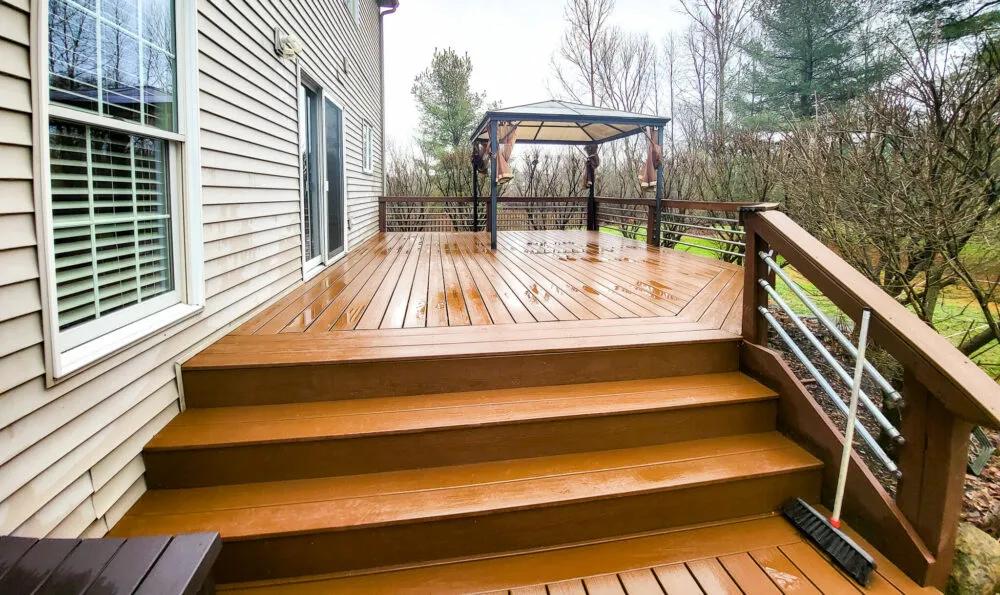
Building a deck is one of the most rewarding home improvement investments a homeowner can make. Whether you are looking to create a space for outdoor dining, family gatherings, or simply relaxing in the fresh air, a well-constructed deck adds both function and beauty to any property. For homeowners in Apple Creek, OH and the surrounding Northern Ohio region, understanding the cost to build a deck in Apple Creek, OH before breaking ground is an essential first step. Knowing what drives pricing helps you plan your budget accurately and avoid surprises along the way. If you are ready to explore your options, D Miller Exteriors deck services provide expert guidance from consultation through final construction.
What Is the Average Cost to Build a Deck?
Deck construction costs can vary widely depending on a number of project-specific factors, but most homeowners can expect to invest somewhere in the range of a few thousand dollars for a simple platform deck to tens of thousands for a large, multi-level design with premium materials and custom features. The national average for deck construction typically falls between fifteen and thirty-five dollars per square foot, though regional labor markets and material availability in areas like Wooster, Akron, and Canton, Ohio can influence that range. A modest single-level deck attached to the back of a home will naturally cost less than a sprawling freestanding deck with built-in seating, lighting, and composite decking. Getting a detailed written estimate from a licensed local contractor is the most reliable way to understand what your specific project will require. Cost figures should always be treated as starting points rather than fixed quotes until a thorough site assessment has been completed.
Smaller decks in the range of one hundred to two hundred square feet are generally the most budget-friendly projects, especially when using pressure-treated lumber and straightforward framing. Mid-size decks between two hundred and four hundred square feet are the most common residential projects and tend to offer the best balance between function and cost. Larger or more complex designs, such as those that wrap around multiple sides of a home or incorporate multiple levels, require significantly more materials and labor and therefore sit at the higher end of the pricing spectrum. The complexity of the terrain and the height of the deck off the ground also affect how much structural support work is needed. Homeowners should always request a clear line-item breakdown so they understand exactly what they are paying for.
Key Factors That Influence Deck Construction Costs
Decking Materials
Material selection is one of the single largest variables in any deck construction budget. Pressure-treated wood is the most affordable option and is widely used across Northern Ohio because of its natural resistance to rot and insects, making it well-suited to the region's humid summers and cold winters. Cedar and redwood offer a more refined natural appearance and are moderately priced, though they do require periodic sealing and staining to maintain their look. Composite decking, which blends wood fibers with recycled plastic, commands a higher upfront investment but dramatically reduces long-term maintenance needs since it resists fading, staining, scratching, and insect damage. PVC decking is fully synthetic and offers the highest level of moisture resistance, making it ideal for pool decks or decks in particularly shaded and damp areas. Aluminum decking is the most durable and longest-lasting option, though it also carries the highest price tag of the commonly used materials.
According to This Old House, the material you select not only affects upfront costs but also how much you will spend over the lifetime of the deck through maintenance, refinishing, and repairs. A wood deck may save money initially but can cost more over a decade when you factor in annual sealing, staining, and potential board replacements. Composite and PVC decks have a higher starting cost but often prove more economical over time because they need very little upkeep beyond occasional cleaning. Understanding the full lifecycle cost of each material, not just the purchase price, is an important part of making a sound investment decision. A skilled deck contractor can walk you through the pros and cons of each option relative to your specific climate conditions and lifestyle.
Deck Size and Design Complexity
The overall square footage of a deck is the most straightforward driver of cost, but design complexity adds another significant layer to the final number. A simple rectangular platform deck built at ground level involves far less labor and framing than a raised deck with stairs, multiple levels, or angled railings. Features such as built-in benches, planters, pergola extensions, lighting systems, and outdoor kitchen integration all add to both the material and labor requirements. Multi-level decks that step down into a yard or follow the contours of a sloped lot require more engineering and structural support work. The number of entry points, the style of railings, and whether the deck wraps around corners of the home are additional design decisions that ripple through the total cost estimate. It is always a good practice to prioritize must-have features during the design phase and identify elements that could be added at a later stage if budget is a concern.
Labor Costs
Labor is a major component of any deck construction budget, and rates vary depending on the region, the complexity of the work, and the experience level of the contractor you hire. In the Apple Creek, OH area and surrounding communities such as Wooster, Medina, Canton, and Barberton, labor rates are generally competitive compared to larger metropolitan markets, but skilled craftsmen still command fair compensation for quality work. Labor costs include not just the physical building of the deck but also the time spent planning, sourcing materials, managing permits, and coordinating inspections. Contractors who take shortcuts on framing or use substandard fasteners may quote lower prices, but those decisions often result in costly repairs down the road. Hiring experienced professionals who stand behind their work is always worth the investment when it comes to a structure your family will use for years.
Permits and Local Regulations
In most Ohio municipalities, including those served by D Miller Exteriors across Northern Ohio, a building permit is required before deck construction can begin. Permit fees vary by jurisdiction but are a necessary part of any legitimate deck project because they ensure the work complies with local building codes, setback requirements, and structural safety standards. Some homeowners attempt to avoid the permit process in order to reduce costs, but unpermitted decks can create serious problems when it comes time to sell the home or make an insurance claim. A reputable contractor will handle the permit application process on your behalf and schedule all required inspections as the project progresses. According to Bob Vila, skipping permits is one of the most common and costly mistakes homeowners make during deck projects. Building code compliance is not just a legal requirement but a safety assurance for everyone who will use the deck.
Site Conditions and Accessibility
The physical conditions of your yard can meaningfully affect the cost of deck construction in ways that are not always obvious at first glance. A sloped lot requires additional foundation work, taller posts, and sometimes engineered footings to ensure the deck remains stable and level over time. Dense soil or rocky ground can make footing installation more labor-intensive and time-consuming. If the construction area is difficult to access with equipment or requires careful navigation around mature trees, landscaping, or underground utilities, that additional care will be reflected in the labor estimate. Existing structures that need to be removed or modified before construction can begin also add to the total project cost. A thorough site visit by your contractor before any estimate is finalized is essential to avoid unexpected cost increases once work is underway.
Benefits of Hiring a Professional Deck Builder
Choosing a licensed and experienced contractor for your deck project offers benefits that far outweigh any potential savings from a DIY approach or hiring an unlicensed handyman. Professional deck builders bring deep knowledge of local building codes, structural engineering requirements, and material performance in your specific climate, ensuring the finished product is both safe and built to last. Experienced contractors also have established relationships with quality materials suppliers, which can translate into better pricing and access to a wider range of product options than a homeowner could typically obtain on their own. Professional project management keeps the work on schedule, ensures proper sequencing of tasks, and maintains quality control at every stage from footings to the final coat of finish. A workmanship warranty from a reputable contractor gives you additional peace of mind that any issues arising after completion will be addressed promptly and professionally.
For homeowners in Apple Creek, OH, Barberton, Canton, Medina, Norton, Massillon, Wadsworth, and Portage Lakes, working with a local deck builder also means access to someone who understands the specific environmental conditions and community standards of the area. D Miller Exteriors has been serving Northern Ohio homeowners for over a decade, delivering custom decks built with quality materials and meticulous craftsmanship. Local contractors are also more accessible for follow-up questions, warranty service, and future maintenance or expansion projects. Choosing a contractor who is embedded in the community they serve provides an added layer of accountability that you simply cannot get from out-of-area companies. When your deck represents a meaningful investment in your home, working with proven local professionals is the smartest approach.
Conclusion
Understanding the cost to build a deck requires taking a holistic view of all the variables at play, from the size and complexity of the design to the materials selected and the labor required to bring the project to life safely and correctly. While it can be tempting to focus only on the bottom-line number, homeowners who also consider long-term maintenance costs, durability, and the value a well-built deck adds to their property consistently find that investing in quality pays off over time. For residents of Apple Creek, OH and the broader Northern Ohio region, consulting with a trusted local deck builder is the best way to get a realistic, accurate estimate tailored to your specific home and goals. A thoughtfully designed and properly built deck is not just an outdoor platform but an extension of your living space, a place where memories are made and the value of homeownership is fully realized. Reach out to a licensed contractor early in your planning process to set your project up for success from the very start.
Frequently Asked Questions
What factors affect the cost to build a deck the most?
The most significant cost drivers in a deck construction project are the size of the deck, the materials selected, and the complexity of the design. Labor rates in your area, permit fees, and site-specific conditions such as slope and soil type also play important roles. A larger deck with premium composite or PVC materials and multi-level features will naturally cost more than a smaller, single-level wood deck built on flat terrain. Getting a detailed estimate from a local contractor who has assessed your specific site is the best way to understand what your project will realistically require.
How long does it typically take to build a deck?
The timeline for building a deck depends heavily on the size of the project and how complex the design is. A straightforward single-level deck can often be completed within one to two weeks once materials are on-site and the permit has been approved. Larger or more intricate designs with multiple levels, custom railings, and integrated features may take several weeks to complete properly. Weather conditions in Northern Ohio can also affect the construction schedule, particularly during spring when rain can delay foundation work. Your contractor should provide a realistic project timeline at the outset so you know what to expect.
Do I need a permit to build a deck in Ohio?
In most Ohio municipalities, a building permit is required for deck construction, particularly for decks that are attached to the home or elevated above a certain height. Permits ensure that the construction meets local building codes and safety standards, protecting both the homeowner and anyone who uses the deck. Skipping the permit process can lead to fines, complications when selling the home, and potential liability issues if an injury occurs on an unpermitted structure. A reputable contractor will manage the permit application and inspection process on your behalf as part of the project.
Is composite decking worth the higher upfront cost?
Composite decking does carry a higher initial price compared to pressure-treated wood, but many homeowners find the long-term savings on maintenance make it a worthwhile investment. Composite materials resist fading, staining, and insect damage, eliminating the need for annual sealing or staining that wood decks require. Over the typical lifespan of a deck, the reduced maintenance costs and longer durability of composite materials often make them more cost-effective than wood when viewed across the full life of the structure. For homeowners who want a beautiful deck without the time and expense of regular upkeep, composite is frequently the preferred choice.
How can I make sure I am hiring a qualified deck builder?
When evaluating deck contractors, always verify that they hold a valid contractor's license and carry both liability insurance and workers compensation coverage. Ask to see examples of completed projects similar to your own and check online reviews from previous clients to get a sense of their reputation for quality and customer service. Request detailed written estimates from at least two or three contractors so you can compare not just pricing but also the scope of work, materials specified, and project timelines. A trustworthy contractor will be transparent about all costs upfront, answer your questions thoroughly, and never pressure you into a quick decision. Local contractors with established roots in your community tend to be the most accountable because their reputation depends on the quality of work they deliver to their neighbors.