

Is Hydro Jetting Bad for Your Pipes? What You Should Know Before Cleaning Your Drains
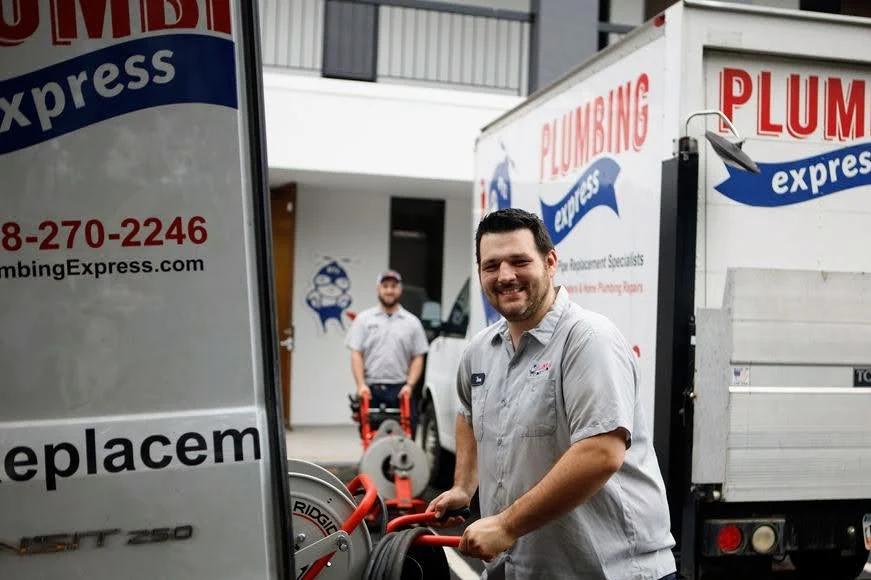
If you have ever dealt with a stubborn clog or slow draining sink, you have probably come across the term hydro jetting. It sounds powerful and effective, and it is. But many homeowners wonder whether such a high-pressure cleaning method could actually cause damage to their plumbing. The short answer is that hydro jetting services in Atlanta, GA are a safe and highly effective drain cleaning solution for most modern plumbing systems when performed by a qualified professional. However, like any plumbing procedure, it is not a one-size-fits-all solution. Understanding how the process works, which pipes can handle it, and when to avoid it entirely will help you make a more informed decision before scheduling service.
How Hydro Jetting Works
Hydro jetting uses a specialized machine that pressurizes water and delivers it through a hose fitted with a multi-directional nozzle. This nozzle is inserted into your drain or cleanout access point and releases water at extremely high pressure, typically ranging from 1,500 to over 4,000 PSI depending on the severity of the blockage and the type of pipe being cleaned.
According to the Environmental Protection Agency, keeping drainage systems free of blockages and buildup is essential not just for individual homes but also for the broader health of municipal water infrastructure. Hydro jetting supports this goal by providing a thorough and long-lasting clean compared to temporary fixes.
Benefits of Hydro Jetting
Hydro jetting offers several advantages over conventional drain cleaning methods.
It is one of the most thorough cleaning methods available. Rather than simply poking a hole through a clog, high-pressure water removes the entire obstruction along with debris coating the pipe walls. This reduces the likelihood of recurring blockages.
It is also environmentally responsible. The process uses only water, with no harsh chemical drain cleaners that can corrode pipes or contaminate groundwater.
Additionally, hydro jetting can clear root intrusions that have begun to grow into sewer lines, though this depends on the severity of the intrusion and the condition of the pipe itself.
Risks and Limitations You Should Understand
Despite its effectiveness, hydro jetting is not without risk, particularly in older homes with aging plumbing infrastructure.
The primary concern is pipe condition. High-pressure water delivered to a weakened, cracked, or corroded pipe can worsen existing damage rather than clean it. Pipes that are already structurally compromised may not be able to withstand the force, leading to leaks, separations, or even complete pipe failure.
Another concern is pipe material. Not all plumbing materials respond to hydro jetting in the same way. Understanding what your pipes are made of is one of the first steps to determining whether this service is right for your home.
Types of Pipes That Can Be Damaged by Hydro Jetting
Older Clay Pipes Clay pipes are commonly found in homes built before the mid-20th century. These pipes are naturally brittle and may have already developed cracks or joint separations over the decades. High-pressure water can infiltrate these weak points and cause further damage.
Cast Iron Pipes Cast iron pipes were standard in homes built from the early 1900s through the 1970s. Over time, cast iron corrodes and the interior surface becomes pitted and rough. While hydro jetting can sometimes be performed on cast iron pipes in good condition, it must be approached with caution. Severely corroded cast iron pipes may not hold up under pressure.
PVC Pipes in Poor Condition Modern PVC piping is generally well-suited to hydro jetting. However, older or poorly installed PVC connections can be vulnerable to separation or cracking under high pressure, especially at joints.
Pipes with Existing Cracks or Leaks Regardless of material, any pipe that already has structural damage should not be subjected to hydro jetting without a professional assessment. A video inspection should always be performed beforehand to evaluate the interior condition of the pipes.
Is Hydro Jetting Safe for Old Pipes?
This is one of the most common questions homeowners ask, and the answer depends on more than just the age of the pipes. Older pipes are not automatically disqualified from hydro jetting, but they require careful evaluation.
A reputable plumber will conduct a camera inspection before recommending hydro jetting for any older plumbing system. This inspection involves feeding a small waterproof camera through the pipes to view the interior condition in real time. The plumber can then assess whether there are cracks, corrosion, root intrusions, or collapsed sections that would make high-pressure cleaning unsafe.
When Hydro Jetting Is Recommended
Hydro jetting is most appropriate in the following situations.
When you have persistent or recurring clogs that traditional snaking has failed to fully resolve, hydro jetting addresses the root of the problem by clearing buildup from the entire pipe rather than just the immediate blockage.
When you are experiencing slow drains throughout multiple fixtures in your home, this often points to a partial obstruction or significant buildup in the main sewer line. Hydro jetting can restore full flow capacity.
When tree roots have begun encroaching on your sewer line, hydro jetting combined with root cutting tools can clear the line. Follow-up inspections and preventive treatments are typically recommended in these cases.
When a home is being prepared for sale or has sat vacant, hydro jetting can restore drainage systems to a clean and functioning state before new occupants move in.
According to the International Association of Plumbing and Mechanical Officials, routine maintenance of residential drainage systems is a key factor in preventing more serious plumbing emergencies. Hydro jetting fits squarely into a proactive maintenance approach.
When to Avoid Hydro Jetting
There are circumstances in which hydro jetting should not be performed or should at minimum be deferred until further evaluation is completed.
If a camera inspection reveals significant cracking, joint displacement, or collapsed sections, hydro jetting could cause further damage. Pipe repair or replacement should take priority.
If your home has very old clay or galvanized steel pipes that have never been inspected, it is always better to start with a camera inspection rather than jumping directly to high-pressure cleaning.
If a plumber has not recommended a pre-service inspection, that is itself a warning sign. Reputable hydro jetting services providers will always evaluate the condition of your plumbing before proceeding.
Hydro Jetting vs. Other Drain Cleaning Methods
Understanding how hydro jetting compares to other common methods helps clarify when it is the right choice.
Drain Snaking involves inserting a long flexible cable with an auger tip into the drain to break apart or retrieve clogs. It is effective for simple blockages and is generally safe for all pipe types. However, it does not clean the pipe walls, so buildup and grease remain and can contribute to future clogs.
Chemical Drain Cleaners are widely available but are generally considered a short-term fix rather than a true solution. These products contain caustic chemicals that can corrode certain pipe materials, are harmful to the environment, and often fail to fully clear serious blockages.
Enzyme Treatments use biological agents to break down organic material inside pipes. They are gentle, safe, and eco-friendly but work slowly and are best suited for preventive maintenance rather than active clogs.
Hydro Jetting is the most thorough option for clearing severe blockages and restoring pipe flow capacity. It is not appropriate for every situation, but when pipes are in good condition and a thorough cleaning is needed, it delivers results that other methods simply cannot match.
Signs Your Pipes Need Cleaning
Several indicators suggest your drains may be due for a professional cleaning.
Multiple slow drains throughout the house often indicate a partial main line blockage rather than an isolated fixture issue. Gurgling sounds coming from toilets or drains after using water elsewhere in the home can signal a blockage in the sewer line. Unpleasant odors rising from drains even when they appear to be draining normally may mean grease or organic material has accumulated inside the pipes. Water backing up in one fixture when another is in use is a strong sign that a significant obstruction exists somewhere in the line.
How to Choose the Right Hydro Jetting Service
Not all plumbing companies offer the same level of expertise or equipment. When evaluating service providers, consider the following.
Look for a company that performs a camera inspection before recommending hydro jetting. This step is not optional if the goal is to protect your plumbing. A trustworthy plumber will want to see the condition of your pipes before applying high-pressure water.
Ask about the technician's experience with different pipe materials and ages. Someone who works regularly with older plumbing systems will have a much better sense of how to approach a cautious cleaning scenario.
Check whether the company is licensed and insured in your state. This protects you in the event of an unexpected complication during service.
Conclusion
Hydro jetting is one of the most effective drain cleaning methods available, but it is not without its limitations. For homeowners with modern plumbing in good condition, it delivers a thorough and long-lasting clean that snaking and chemical treatments simply cannot match. For those with older or compromised pipes, a camera inspection and professional evaluation are essential steps before any high-pressure service is performed.
Frequently Asked Questions
Can hydro jetting damage new pipes?
New pipes made from modern materials such as PVC or copper are generally well suited to withstand the pressures used in hydro jetting. Damage to new pipes is rare and is most likely to occur at poorly installed joints or connections. A pre-service camera inspection helps identify any installation issues before cleaning begins.
How often should hydro jetting be performed on a residential property?
For most homeowners, hydro jetting every one to two years as a preventive maintenance measure is sufficient to keep drains flowing freely. Homes with heavy usage, many occupants, or properties surrounded by large trees may benefit from more frequent service due to the increased risk of grease buildup or root intrusion.
Is hydro jetting the same as power washing the inside of pipes?
They operate on a similar principle, but hydro jetting equipment is specifically designed for plumbing systems. The nozzles used in hydro jetting spray water in multiple directions simultaneously, including forward and backward, to scour all surfaces of the pipe interior. The pressure levels and nozzle configurations are carefully matched to the pipe size and material type.
Will hydro jetting remove tree roots completely?
Hydro jetting can cut through and flush out tree root intrusions when used in combination with root-cutting nozzle attachments. However, it does not prevent roots from regrowing. After root clearing, a plumber may recommend root barrier treatments or, in severe cases, sewer line repair or relining to prevent future intrusion.
Is it safe to attempt hydro jetting as a DIY project?
Hydro jetting equipment operates at pressures that can cause serious injury if handled incorrectly. Consumer-grade drain pressure tools available at hardware stores operate at much lower pressures and do not provide the same results. Professional hydro jetting requires training to match pressure levels to pipe conditions and to properly navigate nozzles through the plumbing system without causing damage. This service is best left to licensed plumbing professionals.