

What Are the Disadvantages of Ductless Air Conditioning and When Do They Become Costly Problems
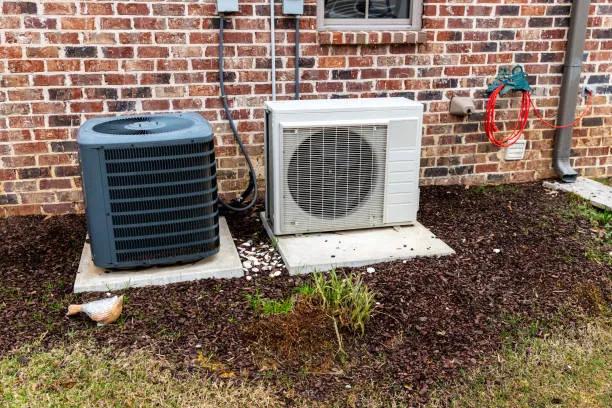
Homeowners across the country are increasingly drawn to the idea of cooling their homes without the complexity of traditional duct systems. Ductless air conditioning in your area offers genuine advantages, including zoned comfort and flexible installation. However, before committing to this technology, it is worth understanding the real drawbacks that often go unmentioned in product brochures. Ductless air conditioning systems come with a unique set of challenges that, depending on your home and budget, can outweigh their benefits. This guide breaks down those disadvantages honestly so you can make a truly informed decision.
Higher Upfront Cost Compared to Central Air Systems
One of the most significant disadvantages of ductless air conditioning is the initial investment required. Compared to a traditional central air system, the upfront hardware and installation expenses for a ductless mini-split are considerably higher on a per-unit basis.
A single-zone ductless system covers only one area of the home. If you need to cool multiple rooms, you will need either a multi-zone system or several individual units. Each additional indoor air handler adds to the total cost, and the labor involved in mounting units, running refrigerant lines, and connecting electrical components is not trivial. For larger homes requiring five or more zones, the cumulative investment can far exceed what a properly sized central system would cost.
According to the U.S. Department of Energy, ductless systems can be two to three times more expensive to install than central systems of comparable capacity. While long-term energy savings can offset this over time, the upfront financial burden is a real barrier for many homeowners.
Limitations in Cooling Large or Open Spaces
Ductless systems are specifically designed to condition defined zones or individual rooms. This design strength becomes a weakness in homes with open floor plans, high ceilings, or large square footage.
A single indoor unit has a coverage capacity that works well for a bedroom, home office, or small living area. When you try to use it for a wide-open great room or an entire floor of a larger home, performance suffers. The air distribution is not powerful enough to reach every corner evenly, leading to temperature inconsistencies where some spots feel comfortable and others remain warm.
This is a fundamental limitation of the technology. Unlike central systems that push conditioned air through a network of ducts to every part of a home simultaneously, ductless units cool from a single point. For open-concept living spaces, this can create noticeable comfort gaps that frustrate homeowners who expected uniform cooling throughout.
Why Multiple Units Increase Expenses Dramatically
When a single unit cannot cover an entire home, the solution is to add more units. While this allows for highly customized temperature control in each room, it significantly inflates costs in ways homeowners often do not anticipate.
Each indoor head unit requires its own set of refrigerant lines, condensate drain line, electrical connection, and mounting hardware. A multi-zone system connecting several indoor units to one outdoor compressor reduces some of this redundancy, but the installation labor remains substantial. Each unit also requires individual commissioning and testing.
Beyond installation, every additional unit represents another point of potential maintenance and mechanical failure. The more components a system has, the more opportunities exist for something to malfunction. Service calls, replacement parts, and labor for repairs all multiply with each added unit, making the long-term cost of a whole-home ductless setup considerably higher than initial estimates often suggest.
Maintenance and Cleaning Requirements
Many homeowners assume that because ductless systems have no ducts, they require less maintenance than central air systems. This assumption is incorrect. Ductless units require frequent hands-on cleaning that often exceeds what central systems demand.
The filters in indoor air handlers collect dust, pet dander, allergens, and airborne particles continuously. Unlike central systems where filters are typically changed every one to three months, ductless filters need to be removed and washed every two to four weeks during periods of regular use. Neglecting this task leads to reduced airflow, lower efficiency, and poorer indoor air quality.
Beyond filter cleaning, the evaporator coil, blower wheel, and drain pan inside each air handler need periodic deep cleaning to prevent mold and mildew growth. These components operate in a humid environment that is ideal for biological contamination. If left uncleaned, a ductless system can actually degrade indoor air quality rather than improve it.
The Environmental Protection Agency notes that HVAC systems that are not properly maintained can contribute to indoor air quality problems, underscoring the importance of regular service routines for any cooling equipment including ductless systems.
Common Performance Issues Homeowners Face
Refrigerant leaks are among the most common and costly problems. Because refrigerant lines run through walls or along exterior surfaces, they are more exposed to physical damage and wear over time. A leak causes the system to lose cooling capacity, work harder, and eventually fail to maintain setpoint temperatures. Detecting and repairing a refrigerant leak requires a licensed HVAC technician and can be an expensive service call.
Drainage problems are also frequent. The condensate produced during the cooling process must drain away from the indoor unit continuously. If the drain line becomes clogged or improperly pitched, water can back up and leak from the unit, potentially causing water damage to walls, flooring, and ceiling materials. This is particularly problematic for units mounted high on walls.
Lifespan Compared to Traditional Air Conditioning
A well-maintained central air conditioning system commonly lasts 15 to 20 years. Ductless mini-split systems, while durable, typically have a rated lifespan of 10 to 15 years under normal operating conditions according to industry standards cited by the Air Conditioning Contractors of America.
The gap in longevity becomes financially significant when you consider that a full ductless system covering an entire home represents a larger initial investment than a central system. Replacing that investment more frequently than a traditional system reduces the long-term value proposition of the technology.
When Ductless Air Conditioning Is Not the Right Choice
Despite its genuine advantages, ductless air conditioning is not the right solution for every home or situation. Recognizing when it is the wrong fit can save considerable time, money, and frustration.
Homes with existing ductwork in good condition are generally better served by a central system upgrade. The infrastructure is already in place, and modern high-efficiency central systems offer excellent performance without the per-room hardware costs of going ductless.
Large homes requiring cooling across many rooms will often find that the combined cost of a multi-zone ductless system exceeds a central alternative. When the number of required zones climbs above four or five, the economic argument for ductless becomes difficult to sustain.
How to Avoid Common Ductless AC Mistakes
Homeowners who go into a ductless installation are far less likely to encounter regrettable outcomes.
Work exclusively with licensed HVAC contractors who have documented experience with mini-split systems. Installation quality directly determines system performance and longevity. An improperly charged refrigerant system or a poorly routed drain line creates problems that may not surface until months after installation.
Size the system correctly from the start. Oversized units short-cycle and fail to dehumidify adequately. Undersized units run continuously without reaching comfort targets. A proper load calculation by a qualified technician is essential.
Commit to a maintenance schedule before purchasing. If routine filter cleaning and annual professional service are not realistic for your household, a central system may be more practical.
You can also explore local HVAC professionals near you who specialize in ductless systems to get honest assessments of whether this technology suits your specific home and climate.
Conclusion
Ductless air conditioning systems offer real benefits in the right circumstances. They excel in homes without existing ductwork, in addition where extending ducts is impractical, and for homeowners who want room-by-room temperature control. However, the disadvantages are equally real and deserve equal consideration.
Higher upfront costs, limitations in covering large spaces, the expense of multiple units, frequent maintenance requirements, common performance vulnerabilities, and a shorter average lifespan than central systems are all factors that must be weighed against the benefits. Hidden installation costs and the importance of proper sizing and professional installation add additional layers of complexity to the decision.
For many homeowners, ductless air conditioning is an excellent investment. For others, a well-designed central system remains the more practical and economical choice. The best decision is an informed one, made with a clear understanding of both sides of the equation and ideally with input from a qualified HVAC professional who can assess your specific home.
Frequently Asked Questions
Is ductless air conditioning more expensive to run than central air?
Running costs depend on the specific systems being compared and how they are used. Modern ductless systems are highly efficient and can cost less to operate than older central systems in many cases. However, if your central system is new and well-maintained, the operating cost difference may be minimal. The bigger cost concern with ductless systems is typically upfront installation rather than ongoing energy use.
Can a ductless system cool an entire house effectively?
A single ductless unit cannot cool an entire house. To condition a full home with ductless technology, multiple indoor units connected to one or more outdoor compressors are required. While this is technically feasible, the cost and complexity of a whole-home ductless system make central air a more economical choice in many situations, particularly for larger homes.
How often does a ductless air conditioner need to be serviced?
Filters on ductless indoor units should be cleaned every two to four weeks during active use. A professional deep cleaning of coils, drain components, and refrigerant verification is recommended once per year. Neglecting this maintenance schedule leads to efficiency loss, poor air quality, and accelerated wear on system components.
What happens if I do not clean my ductless unit filters regularly?
Clogged filters restrict airflow through the indoor unit, forcing the system to work harder to move the same volume of air. This reduces cooling efficiency, increases energy consumption, and places additional mechanical stress on the blower and compressor. Over time, restricted airflow can cause the evaporator coil to freeze, completely stopping cooling output until the ice melts and the filter is cleaned.
Are there homes where ductless air conditioning simply should not be installed?
Yes. Homes with functioning ductwork and a healthy existing infrastructure are usually better candidates for central system upgrades. Very large homes requiring many zones often find ductless systems economically impractical compared to central alternatives. Homes where the aesthetic impact of visible wall units would be disruptive, or where the household cannot commit to regular maintenance, are also situations where ductless air conditioning may not be the best fit.