

What is the Best Option for Roofing in Cincinnati, Ohio? A Complete Guide for Homeowners
14 minutes
What is the Best Option for Roofing in Cincinnati, Ohio? A Complete Guide for Homeowners
Choosing a new roof for your Cincinnati home is one of the most important decisions you'll make as a homeowner. Your roof is your home's first line of defense against the elements. In a city with weather as dynamic as Cincinnati's, that's a serious responsibility. From scorching summer heat and humidity to frigid, snowy winters and the ever-present threat of severe storms, your roof needs to be tough, reliable, and built to last.
But with so many roofing options available on the market today, how do you know which one is the best for your home and budget? Should you go with traditional asphalt shingles, or is it worth investing in metal roofing? What about synthetic materials? Each option has its own set of advantages and considerations. Making the right choice requires understanding both your home's needs and Cincinnati's unique climate challenges.
This comprehensive guide is here to help. We'll break down the top roofing materials for Cincinnati, Ohio, considering the unique challenges of our local climate. We'll explore the pros and cons of each option, from the ever-popular asphalt shingles to the long-lasting durability of metal roofing. By the end of this article, you'll have a much clearer understanding of the best roofing choices for your Cincinnati home.
Understanding Cincinnati's Climate and Its Impact on Your Roof
Cincinnati's weather is anything but predictable. Located in the Ohio River Valley, our city experiences the full force of all four seasons. Each brings its own set of challenges for your roof. Understanding these challenges is the first step in choosing the right roofing material.
Hot and Humid Summers
Summers in Cincinnati are hot and humid, with temperatures often climbing into the 90s. The average summer temperature ranges from 70 to 86 degrees, but the humidity levels can make it feel much hotter. This intense heat can cause some roofing materials to warp, crack, and deteriorate over time. Asphalt shingles, in particular, can become brittle and lose their protective granules when exposed to prolonged high temperatures.
The high humidity, which averages around 73% during summer months, also creates a welcoming environment for algae and moss growth. These organisms can lead to unsightly black streaks and stains on your roof's surface. While primarily a cosmetic issue, algae and moss can also retain moisture, which may eventually lead to damage of the underlying roofing materials.
Cold and Snowy Winters
Winters in Cincinnati are cold and snowy, with temperatures frequently dropping below freezing. The city receives an average of 23 inches of snow annually. The constant freezing and thawing cycles can be particularly brutal on roofing materials. This repeated expansion and contraction, known as "thermal shock," can cause shingles to become brittle and more susceptible to cracking.
Snow and ice accumulation can also lead to the formation of ice dams. These occur when heat from your attic melts snow on your roof. The water then runs down to the colder eaves, where it refreezes and forms a dam. This ice dam can cause water to back up under your shingles and leak into your home, potentially causing significant water damage to your ceilings, walls, and insulation.
Severe Storms and High Winds
Cincinnati is no stranger to severe weather, including high winds, heavy rain, and hail. These storms can wreak havoc on a roof, tearing off shingles, causing leaks, and leaving behind a trail of damage. Spring and summer months are particularly prone to severe thunderstorms, which can bring wind gusts exceeding 60 miles per hour and hail ranging from pea-sized to golf ball-sized.
The city experiences approximately 132 days of precipitation annually, with a total of about 42 inches of rain per year. This significant amount of moisture means your roof needs to have excellent water resistance and proper drainage systems to prevent leaks and water damage. That's why it's so important to choose a roofing material that is specifically designed to withstand these harsh conditions.
Top Roofing Options for Cincinnati Homeowners
Now that we have a better understanding of the challenges your roof will face, let's explore some of the best roofing materials for Cincinnati homes. Each option offers unique benefits and considerations.
Asphalt Shingles: The Popular and Practical Choice
There's a reason why asphalt shingles are the most popular roofing material in the United States. Cincinnati is no exception. They offer a winning combination of affordability, durability, and versatility. This makes them an excellent choice for a wide range of homes and budgets.
Modern asphalt shingles are a far cry from the basic 3-tab shingles of the past. Today's architectural or dimensional shingles are thicker, more durable, and offer a more aesthetically pleasing, textured look. They are available in a vast array of colors and styles, allowing you to find the perfect match for your home's exterior. In the Cincinnati climate, a quality asphalt shingle roof can last anywhere from 20 to 30 years, with premium options lasting even longer.
Types of Asphalt Shingles
There are several types of asphalt shingles to consider. Three-tab shingles are the most basic and affordable option, but they offer less durability and a flatter appearance. Architectural shingles, also known as dimensional or laminate shingles, are thicker and have a more textured, dimensional appearance. They are more durable than 3-tab shingles and typically come with longer warranties.
Premium or designer shingles are the highest quality asphalt shingles available. They often mimic the appearance of wood shakes or slate and offer the best durability and weather resistance. Some premium shingles also feature special coatings that help resist algae growth, which is particularly beneficial in Cincinnati's humid climate.
Weather Resistance Features
When choosing asphalt shingles for your Cincinnati home, it's important to look for products that are specifically designed for our region's weather. Look for shingles with a high wind-resistance rating, typically Class F (110 mph) or Class H (150 mph). These ratings indicate the shingle's ability to withstand high winds without being torn off.
A Class 4 impact rating is also crucial. This means the shingles are better able to withstand hail. This is the highest impact resistance rating available and is particularly important in areas prone to severe storms. The National Roofing Contractors Association (NRCA) provides detailed guidelines on asphalt shingle standards and installation practices [1].
Many manufacturers also offer shingles with enhanced sealing technology. This helps prevent wind uplift and water infiltration. Some products feature special adhesive strips that create a stronger bond between shingles, providing additional protection during storms.
Metal Roofing: The Durable and Energy-Efficient Solution
If you're looking for a roofing material that offers exceptional durability and longevity, metal roofing is an excellent option to consider. While it has a higher upfront cost than asphalt shingles, its long-term value is hard to beat. A properly installed metal roof can last for 50 years or more, with some materials like zinc and copper lasting for over a century.
Metal roofing is incredibly resistant to the harsh weather conditions we experience in Cincinnati. It easily sheds snow and ice, preventing the formation of ice dams that can plague other roofing materials. Its interlocking panels provide superior wind resistance, often rated to withstand winds of 140 miles per hour or more. Metal is also fire-resistant, earning a Class A fire rating, and is impervious to rot and insect damage.
Energy Efficiency Benefits
Furthermore, metal roofing is one of the most energy-efficient options available. Many metal roofs are considered "cool roofs" because they reflect solar heat rather than absorbing it. This reflective property can reduce your roof's surface temperature by up to 50 degrees Fahrenheit on a hot summer day. According to the U.S. Department of Energy, cool roofs can reduce peak cooling demand by 11 to 27 percent in air-conditioned residential buildings [2].
This energy efficiency translates directly to lower utility bills. In Cincinnati's hot summers, a metal roof can significantly reduce your air conditioning costs. Some homeowners report energy savings of 20 to 30 percent after switching to a metal roof. Additionally, many metal roofing products qualify for ENERGY STAR certification, which may make you eligible for energy efficiency tax credits [3].
Styles and Options
Metal roofing comes in a variety of styles. Traditional standing-seam panels to metal shingles that mimic the look of wood shakes, slate, or even traditional asphalt shingles are available. Standing-seam metal roofing features vertical panels with raised seams that interlock, creating a sleek, modern appearance. This style is particularly popular for contemporary and industrial-style homes.
Metal shingles or tiles offer the durability of metal with a more traditional appearance. They can be made to look remarkably similar to natural materials. This allows you to enjoy the benefits of metal without sacrificing your home's aesthetic appeal. Metal roofing is available in a wide range of colors and finishes, from matte to glossy.
Synthetic Roofing Materials: The Innovative and Resilient Option
In recent years, synthetic roofing materials have become increasingly popular, and for good reason. These innovative products offer the beauty of natural materials like slate and wood shakes without the high cost, weight, and maintenance requirements. Synthetic roofing is typically made from a combination of recycled plastic, rubber, and other polymers, making it an environmentally friendly choice.
Synthetic roofing is incredibly durable and resistant to the elements. It can withstand high winds, often rated for winds up to 110 miles per hour, and has excellent impact resistance. Many synthetic products carry a Class 4 impact rating, making them highly resistant to hail damage. They are also fire-resistant, typically earning a Class A fire rating.
One of the biggest advantages of synthetic roofing is its resistance to moisture-related problems. Unlike natural wood, synthetic materials won't rot, warp, or split when exposed to water. They also resist mold and mildew growth, which is particularly beneficial in Cincinnati's humid climate. Synthetic slate offers the timeless elegance of real slate at a fraction of the cost and weight.
Real slate can weigh 800 to 1,500 pounds per square (100 square feet), while synthetic slate typically weighs only 200 to 300 pounds per square. This reduced weight means that synthetic slate can be installed on most homes without requiring additional structural support. It also makes installation easier and faster, which can help reduce labor costs.
Key Factors to Consider When Choosing a Roof in Cincinnati
With so many great options to choose from, how do you decide which roofing material is right for you? Here are several key factors to consider when making your decision.
Durability and Weather Resistance
This is the most important factor to consider in Cincinnati. Your roof needs to be able to withstand hot, humid summers, cold, snowy winters, and severe storms with high winds and hail. Be sure to choose a material that is specifically designed to withstand our unique climate.
Look for products with high wind-resistance ratings and Class 4 impact ratings. Check the manufacturer's warranty to see what types of weather damage are covered. A reputable roofing contractor in Cincinnati like Construction Solutions can help you evaluate different materials and choose the one that offers the best protection for your home.
Energy Efficiency
A new roof is a great opportunity to improve your home's energy efficiency and reduce your utility bills. Look for ENERGY STAR certified products that can help to reduce your heating and cooling costs [3]. Cool roofs that reflect solar heat can make a significant difference in your summer cooling costs.
According to the Environmental Protection Agency (EPA), cool roofs can reduce peak cooling demand by 11 to 27 percent and can save 7 to 15 percent of total cooling costs [4]. Over the lifetime of your roof, these energy savings can add up to thousands of dollars. Some energy-efficient roofing products may also qualify you for federal tax credits or local utility rebates, further improving your return on investment.
Cost and Budget
Your budget will obviously play a big role in your decision. Roofing costs can vary significantly depending on the material you choose, the size and complexity of your roof, and local labor rates. Be sure to get quotes for several different materials so that you can compare costs accurately.
However, it's important to consider the long-term value of your investment, not just the upfront cost. A more expensive material with a longer lifespan may actually be more cost-effective in the long run. For example, while metal roofing costs more initially than asphalt shingles, it can last two to three times longer and requires less maintenance. When you factor in the cost of replacing an asphalt roof multiple times over the lifespan of a metal roof, the metal roof may actually be the more economical choice.
Aesthetics and Home Style
Your roof is a major component of your home's exterior and plays a crucial role in its curb appeal. You'll want to choose a material that complements your home's architectural style and enhances its overall appearance.
Consider the style of your home and your neighborhood. Traditional homes often look best with asphalt shingles, while contemporary homes may be better suited to metal roofing. Historic homes may benefit from slate or synthetic slate. Take some time to look at different colors and styles, and consider how they will look with your home's siding, trim, and other exterior features.
The Importance of Professional Installation and Maintenance
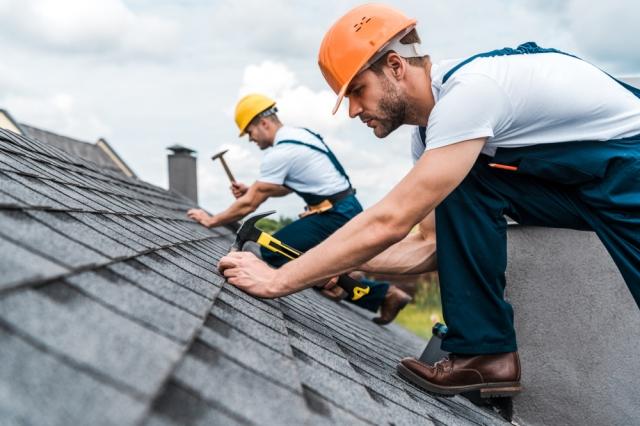
No matter which roofing material you choose, it's crucial that it is installed correctly. Even the highest-quality materials will fail prematurely if they are not properly installed. That's why it's so important to hire a reputable and experienced roofing contractor.
Choosing the Right Contractor
Look for a contractor who is licensed, insured, and has a proven track record of quality workmanship. Ask for references and check online reviews. A contractor with certifications from leading manufacturers is a good indication that they have been properly trained to install their products according to manufacturer specifications.
An experienced general contractor in Cincinnati like Construction Solutions can provide the professional roofing solutions you need. With over 35 years of experience in the building products industry and 15 years serving the Cincinnati area, they have the expertise to handle any roofing project, from simple repairs to complete roof replacements.
The Value of Proper Installation
Proper installation is critical to your roof's performance and longevity. A poorly installed roof can lead to leaks, premature failure, and voided warranties. Many manufacturers require that their products be installed by certified contractors in order for the warranty to remain valid.
Professional installation ensures that all components of your roofing system work together properly, from the underlayment and flashing to the shingles or panels themselves. It also ensures that your roof is properly ventilated, which is crucial for preventing moisture buildup and extending the life of your roof.
Regular Maintenance and Inspections
Once your new roof is installed, it's important to have it regularly inspected and maintained. Annual inspections can help identify and address potential problems before they become major issues. This extends the life of your roof and protects your investment.
During an inspection, a professional will check for damaged or missing shingles, examine flashing around chimneys and vents, check for signs of water damage, and assess the overall condition of your roof. They'll also clean your gutters and downspouts to ensure proper drainage. Regular maintenance is particularly important in Cincinnati, where severe weather can cause damage that may not be immediately visible.
Making Your Final Decision
Choosing the best roofing option for your Cincinnati home is a significant decision that requires careful consideration of multiple factors. There's no single "best" roofing material for everyone. The right choice depends on your specific needs, budget, and preferences.
If you're looking for an affordable, versatile option that performs well in Cincinnati's climate, asphalt shingles are an excellent choice. They offer good durability, a wide range of styles, and a proven track record. For maximum longevity and energy efficiency, metal roofing is hard to beat, despite its higher upfront cost. If you want the look of premium materials without the weight and expense, synthetic roofing offers an innovative solution.
Whatever you decide, make sure to work with a qualified, experienced roofing contractor who can guide you through the selection process and ensure proper installation. A quality roof, properly installed and maintained, will protect your home and your family for decades to come.
Conclusion
Choosing the best roofing option for your Cincinnati home doesn't have to be overwhelming. By understanding the unique challenges of our local climate and carefully considering the pros and cons of each material, you can make an informed choice that will protect your home for years to come.
Whether you opt for the practicality and affordability of asphalt shingles, the durability and energy efficiency of metal roofing, or the innovation of synthetic materials, the most important things are to choose a quality product and have it installed by a professional. Your roof is one of your home's most important investments, and making the right choice now will pay dividends for decades.
If you're ready to explore your roofing options, contact a trusted Cincinnati roofing contractor like Construction Solutions for a free consultation and quote. With their extensive experience and commitment to quality, they can help you find the perfect roofing solution for your home.
References
[1] National Roofing Contractors Association. https://www.nrca.net/
[2] U.S. Department of Energy. "Cool Roofs." https://www.energy.gov/energysaver/cool-roofs
[3] ENERGY STAR. "Cool Roofs." https://www.energystar.gov/products/cool-roofs
[4] U.S. Environmental Protection Agency. "Using Cool Roofs to Reduce Heat Islands." https://www.epa.gov/heatislands/using-cool-roofs-reduce-heat-islands