

What Signs Indicate My HVAC System in Cold Spring, KY Needs Repairs or Replacement?
11 minutes
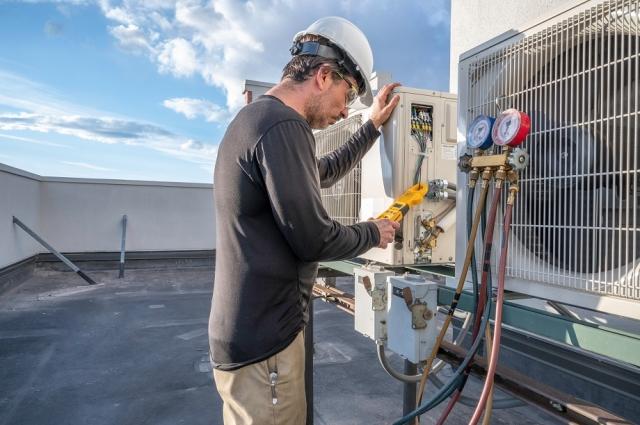
What Signs Indicate My HVAC System in Cold Spring, KY Needs Repairs or Replacement?
Your HVAC system works hard year-round to keep your Cold Spring, Kentucky home comfortable. From humid summers to cold, snowy winters, your heating and cooling equipment faces serious demands. But how do you know when your system needs professional attention or complete replacement?
Understanding the warning signs can save you money, prevent uncomfortable breakdowns, and help you make smart decisions about your home comfort system. This guide will walk you through the key indicators that your HVAC system needs repair or replacement.
Understanding Cold Spring's Climate Demands
Cold Spring experiences distinct seasonal changes that put unique stress on heating and cooling equipment. The area sees warm, humid summers with temperatures reaching 86°F in July, while winters bring very cold conditions with January lows around 25°F.
This wide temperature range means your HVAC system must work efficiently in both extreme heat and bitter cold. The humid summers require strong dehumidification capabilities, while snowy winters demand reliable heating performance. These demanding conditions can accelerate wear and tear on your equipment.
Age of Your HVAC System: The First Major Indicator
The age of your heating and cooling equipment is one of the most important factors to consider. According to ENERGY STAR, different HVAC components have different expected lifespans.
Air conditioners and heat pumps typically last about 10 to 15 years. If your cooling system has reached or exceeded this age, it's time to start planning for replacement. Even if it's still running, older units operate far less efficiently than modern equipment.
Furnaces and boilers generally have longer lifespans of 15 to 20 years. However, if your heating system is approaching or past 15 years old, you should have it evaluated by a professional.
Modern HVAC systems offer significantly better energy efficiency than units from even a decade ago. ENERGY STAR certified equipment can save up to 20 percent on heating and cooling costs compared to older models. For Cold Spring homeowners dealing with temperature extremes, these savings add up quickly.
If you're unsure of your system's age, check the manufacturer's label on the outdoor unit or indoor air handler. You can also contact a local HVAC professional like AnyWeather HVAC to help determine your system's age and condition.
Rising Energy Bills Without Increased Usage
One of the clearest warning signs that your HVAC system needs attention is a sudden spike in your energy bills. If your electricity or gas costs have increased significantly but your usage patterns haven't changed, your system is likely working harder than it should.
As HVAC equipment ages or develops problems, it loses efficiency. A struggling air conditioner might run constantly to maintain temperature. A failing furnace might cycle on and off repeatedly. Both scenarios waste energy and drive up your utility costs.
Compare your current bills to the same months from previous years. A 10 to 15 percent increase without explanation often indicates equipment problems. During Cold Spring's hot summers and cold winters, when your system runs most frequently, inefficiency becomes especially costly.
Several issues can cause efficiency loss. Dirty coils reduce heat transfer. Refrigerant leaks force your AC to work harder. Worn blower motors struggle to move air. A clogged air filter restricts airflow.
Frequent Repairs and Increasing Repair Costs
If you find yourself calling for HVAC repairs multiple times per year, your system is sending a clear message. Frequent breakdowns indicate that components are wearing out and the entire system may be approaching failure.
Consider the 50 percent rule when evaluating repair costs. If a repair costs more than 50 percent of what a new system would cost, replacement usually makes more financial sense.
Also track your total repair spending over time. If you've spent $1,500 or more on repairs in the past two years, those costs might have been better applied toward a new, reliable system.
Some repairs are worth making on newer systems. A simple capacitor replacement or thermostat repair on a five-year-old unit makes perfect sense. But major component failures on systems over 10 years old typically signal it's replacement time.
Uneven Heating or Cooling Throughout Your Home
Do some rooms in your Cold Spring home feel like a sauna while others feel like an icebox? Uneven temperatures throughout your living space indicate serious HVAC problems that need professional attention.
Several issues can cause temperature inconsistencies. Duct problems are common culprits. Leaky or poorly insulated ductwork allows conditioned air to escape before reaching certain rooms.
Inadequate insulation in your home can also create hot and cold spots. However, if temperature problems developed suddenly or have worsened over time, the HVAC system itself is likely the issue.
An undersized or oversized system will never heat or cool your home evenly. If your equipment was improperly sized during installation, you might have struggled with comfort from day one.
Failing components like blower motors or zone dampers can also cause uneven temperatures. A weakening blower can't push air to distant rooms. Stuck dampers prevent airflow to specific zones.
Strange Noises Coming from Your HVAC System
Your HVAC system should operate relatively quietly. While some operational sounds are normal, loud or unusual noises signal problems that require immediate attention.
Banging or clanging sounds often indicate loose or broken components inside the unit. A loose fan blade, disconnected part, or failing motor mount can create these alarming noises.
Screeching or squealing typically points to belt problems or motor bearing issues. A worn belt slips and squeals. Dry or damaged bearings in motors create high-pitched sounds.
Grinding noises suggest metal-on-metal contact, often from failed bearings or damaged motor components. This sound requires immediate professional attention to prevent complete motor failure.
Rattling can indicate loose panels, debris in the unit, or ductwork problems. While sometimes minor, rattling shouldn't be ignored as it can signal more serious issues developing.
Cold Spring homeowners should pay attention to any new or worsening noises. What starts as a minor sound can quickly escalate to a major breakdown.
Weak Airflow or Inconsistent Air Pressure
Strong, consistent airflow is essential for proper HVAC performance. If you notice weak air coming from your vents or significant pressure differences between rooms, your system has problems.
Weak airflow throughout your home can result from several issues. A failing blower motor lacks the power to move air effectively. Clogged air filters restrict airflow, though this is easily fixed by filter replacement.
Inconsistent pressure between vents suggests duct problems or zoning system failures. Some vents might blast air while others barely produce a breeze.
According to the Department of Energy, proper airflow is critical for system efficiency and comfort. When airflow problems develop, your system must run longer to achieve desired temperatures.
If changing your air filter doesn't improve airflow, professional diagnosis is needed. Sometimes duct cleaning or sealing can restore proper airflow.
Your System Runs Constantly or Cycles Frequently
An HVAC system should cycle on and off regularly to maintain your desired temperature. If your system runs continuously without shutting off, or if it cycles on and off every few minutes, something is wrong.
Constant running means your system can't reach the thermostat setting. This might indicate the system is undersized for your home, has lost efficiency due to age or damage, or has refrigerant leaks.
Short cycling (frequent on-off cycles) is equally problematic. This behavior wastes energy, increases wear on components, and fails to properly condition your home's air.
Both patterns dramatically increase energy costs and accelerate system wear. They also indicate that your equipment is struggling and likely approaching failure.
Humidity Problems Inside Your Home
Your HVAC system does more than control temperature—it also manages indoor humidity. If you're experiencing humidity issues, your system may not be functioning properly.
Excessive humidity in summer makes your home feel muggy and uncomfortable even when the temperature seems right. Air conditioners should remove moisture as they cool.
Overly dry air in winter can result from heating system problems or duct leaks. While winter air is naturally drier, extreme dryness causes static electricity, dry skin, and respiratory discomfort.
In Cold Spring's humid summers, proper dehumidification is essential for comfort and indoor air quality. Persistent humidity problems often indicate that your system is no longer properly sized or functioning for your home's needs.
Excessive Dust in Your Home
If you're constantly dusting and cleaning but your home still seems dusty, your HVAC system might be the culprit. Excessive dust can indicate several problems.
Leaky ductwork is a primary cause of dust problems. According to ENERGY STAR, leaky ducts can pull particles and air from attics, crawl spaces, and basements and distribute them throughout your house.
Failing air filters or improperly sealed filter compartments allow dust to bypass filtration and enter your ductwork and living spaces.
Old ductwork can deteriorate over time, developing gaps and holes that pull in dust. If your ducts are original to an older home, they might need sealing or replacement along with your HVAC system.
Strange or Unpleasant Odors from Vents
Your HVAC system should produce clean, odorless air. Any unusual smells coming from your vents require attention and can indicate serious problems.
Musty or moldy odors suggest moisture problems, mold growth in ductwork, or a dirty evaporator coil. In Cold Spring's humid climate, moisture issues can quickly lead to mold if not addressed.
Burning smells can indicate electrical problems, overheating motors, or dust burning off heating elements. While some burning smell is normal when you first turn on your furnace for the season, persistent burning odors require immediate professional attention.
Rotten egg or sulfur smells from gas furnaces can indicate a gas leak or dead animal in ductwork. Gas leaks are extremely dangerous and require immediate evacuation and professional help.
Don't try to mask odors with air fresheners or ignore them. Strange smells from your HVAC system always indicate a problem that needs professional diagnosis.
Making the Repair vs. Replacement Decision
When your HVAC system shows warning signs, you face an important decision: repair or replace? Several factors should guide your choice.
System age is the primary consideration. If your equipment is over 10 years old (for AC/heat pump) or 15 years old (for furnace), replacement usually makes more sense than major repairs.
Repair costs should be weighed against replacement costs. The 50 percent rule is a good guideline. Also consider whether you've made other recent repairs.
Energy efficiency improvements can offset replacement costs through lower utility bills. Modern systems are dramatically more efficient than units from 10 or 15 years ago.
Refrigerant type matters for air conditioners. Older systems using R-22 refrigerant (Freon) are increasingly expensive to service as this refrigerant is being phased out.
Professional HVAC contractors can help you evaluate these factors and make the best decision for your situation. Companies serving Cold Spring can assess your current system, explain your options, and provide honest recommendations.
The Benefits of Modern HVAC Systems
If you decide replacement is the right choice, you'll enjoy numerous benefits from modern HVAC technology.
Energy efficiency has improved dramatically. ENERGY STAR certified systems use significantly less energy than older models, reducing your utility bills and environmental impact.
Better comfort comes from improved technology. Modern systems provide more consistent temperatures, better humidity control, and quieter operation.
Improved air quality features are standard on many new systems. Better filtration, UV lights, and humidity control create healthier indoor air.
Smart technology integration allows remote control, scheduling, and energy monitoring through smartphone apps. You can adjust your system from anywhere and track energy usage to optimize efficiency.
Reliability and warranties provide peace of mind. New equipment comes with manufacturer warranties covering parts and sometimes labor.
The Importance of Regular HVAC Maintenance
Preventive maintenance is the best way to extend your system's life, prevent breakdowns, and maintain efficiency. According to the Department of Energy, regular maintenance is essential for efficient and effective performance.
Professional annual tune-ups should include thorough inspection, cleaning, and adjustment of all system components. Technicians check refrigerant levels, test electrical connections, lubricate moving parts, and verify proper operation.
Filter changes are the simplest but most important maintenance task. Change or clean filters every one to three months depending on usage, pets, and dust levels.
Coil cleaning maintains heat transfer efficiency. Both indoor evaporator coils and outdoor condenser coils need periodic cleaning to remove dirt and debris.
Seasonal preparation helps your system handle Cold Spring's temperature extremes. Have your AC serviced in spring before cooling season and your furnace serviced in fall before heating season.
Regular maintenance catches small problems before they become expensive failures. It also maintains efficiency, saving energy costs.
Conclusion: Taking Action on HVAC Warning Signs
Your HVAC system provides essential comfort and air quality for your Cold Spring home. Recognizing warning signs and taking prompt action protects your investment, prevents costly breakdowns, and ensures year-round comfort.
Don't ignore the signals your system sends. Rising energy bills, frequent repairs, strange noises, uneven temperatures, and poor performance all indicate problems that need professional attention.
Modern HVAC systems offer remarkable improvements in efficiency, comfort, and reliability compared to older equipment. If your system is over 10 years old and showing multiple warning signs, replacement often provides better long-term value than continued repairs.
Work with qualified, reputable HVAC contractors who understand Cold Spring's climate demands. Professional assessment, quality installation, and regular maintenance ensure optimal system performance and longevity. Whether you need repairs, replacement, or just want your system evaluated, don't wait for complete failure. Proactive attention to your HVAC system saves money, prevents discomfort, and provides peace of mind through every season. For expert HVAC repair and replacement services in Cold Spring, Kentucky, contact AnyWeather HVAC for professional assessment and honest recommendations tailored to your needs.