

Do You Need Jewelry Repair Now or Can Delaying It Lead to Permanent Damage or Loss?
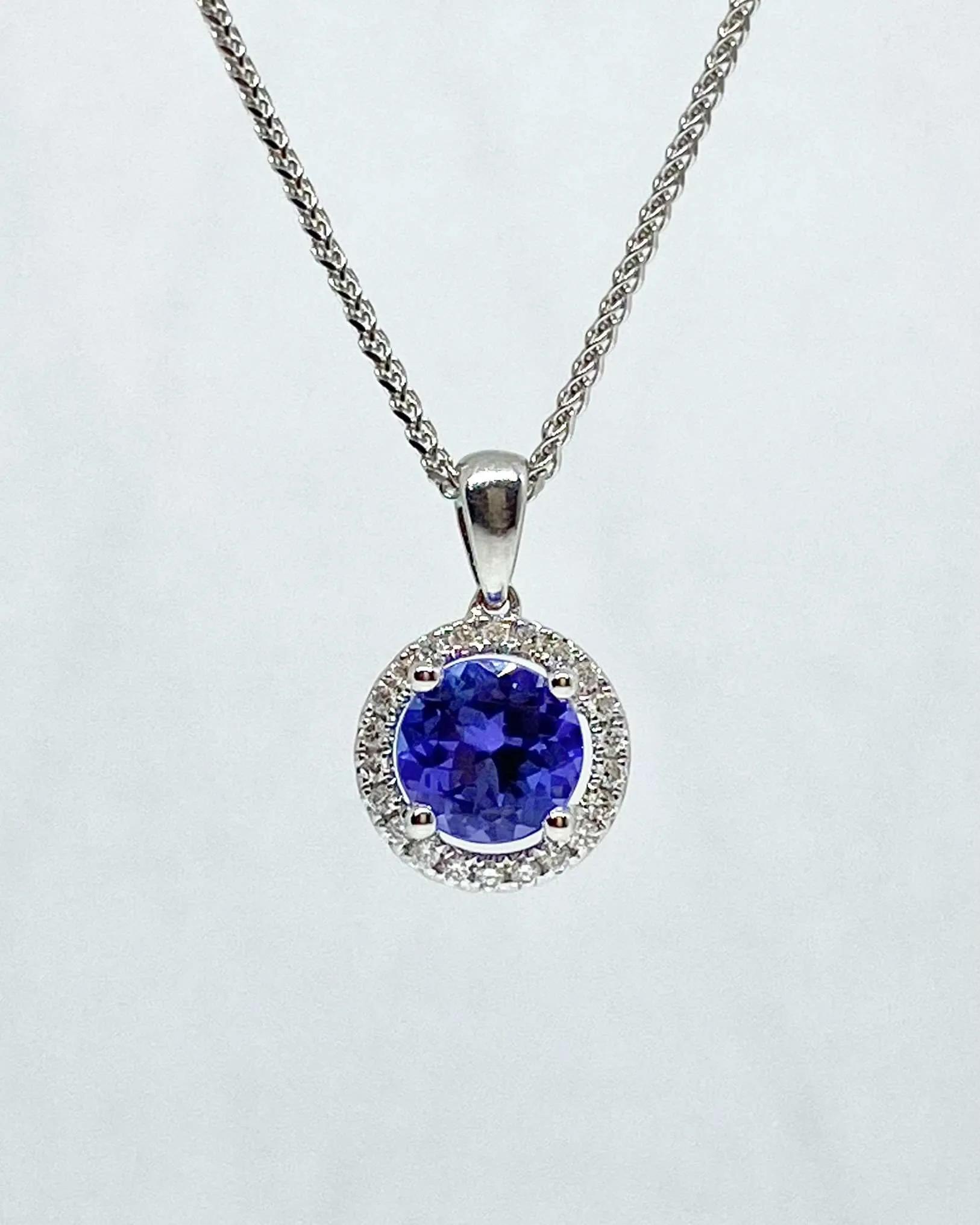
Jewelry holds far more than monetary value. Whether it is a diamond engagement ring passed down through generations or a sentimental bracelet from a loved one, these pieces carry stories that cannot be replaced. When something goes wrong with a cherished piece, many people are tempted to set it aside and deal with it later. But here is the hard truth: delaying a jewelry repair service in Cincinnati, OH is rarely the safe choice it seems. Small issues have a way of quietly escalating into irreversible damage or total loss, and understanding the warning signs can make the difference between a simple fix and a heartbreaking outcome.
Signs Your Jewelry Needs Repair Immediately
The earlier you catch a problem, the simpler and less costly it tends to be to address. Several warning signs should prompt an immediate trip to a professional jeweler rather than a trip back to the jewelry box. If you notice a stone that rocks slightly when you press on it, that is a prong loosening its grip and the stone is days or even hours away from falling out completely. A clasp that does not snap shut with a reassuring click, a chain that snags on clothing more than usual, or a ring band that has developed a visible crack are all red flags that demand prompt attention.
You should also pay attention to how your jewelry feels during wear. A ring that catches on fabric where it previously did not, earrings that no longer sit flush, or a pendant that hangs crooked all signal structural problems beneath the surface. Discoloration in metal around a stone setting can indicate that moisture has worked its way into a weakened joint, accelerating deterioration. According to the Gemological Institute of America, regular professional inspections are one of the most effective ways to catch developing problems before they become serious ones.
Risks of Loose Stones and Weak Clasps
A loose stone is one of the most urgent repair situations in jewelry care, and it is also one of the most commonly ignored. Prongs are the tiny metal claws that hold a gemstone in place, and they wear down over time through daily friction, cleaning, and general use. Once a prong becomes too thin or bends away from the stone, the gemstone is essentially unsecured. A single bump against a countertop, a moment of catching your ring on a sweater, or even vigorous handwashing can send that stone straight down a drain.
Clasps on necklaces and bracelets carry similar risks. A clasp that does not close fully or springs open with minimal pressure is a disaster waiting to happen. Unlike a loose prong that might give you a few days of warning, a faulty clasp can fail at any moment without notice. The piece drops, lands on pavement or a hard floor, and suddenly you are dealing with bent metal, lost stones, or a snapped chain on top of the original clasp issue. Spring ring clasps, lobster clasps, and toggle closures all have finite lifespans, and replacing a worn clasp is a quick, affordable procedure that pales in comparison to repairing or replacing an entire necklace.
How Minor Damage Worsens Over Time
It can be tempting to think that a hairline crack in a ring band or a slightly bent prong is a cosmetic issue that can wait. In reality, metal fatigue follows a predictable pattern: stress concentrates at the point of damage, and every day the piece is worn without repair, that stress accumulates. What begins as a surface scratch can deepen into a structural fracture under the pressure of normal wear. Rings are particularly vulnerable to this because they are worn every day on a hand that grips, types, lifts, and presses constantly.
The compounding effect also applies to settings. Once one prong weakens, the remaining prongs take on extra load to compensate, accelerating their own wear. A piece that could have been saved with a single prong retip eventually requires a full prong rebuild or even a new setting entirely. The American Gem Society recommends having fine jewelry professionally inspected at least once a year to intercept these small problems before they cascade into significant structural failures. Delaying repair does not pause the damage; it simply gives the damage more time to grow.
Cost of Common Jewelry Repairs and When Repair Is Better Than Replacement
One of the primary reasons people delay jewelry repair is an assumption that it will be expensive. In most cases, that assumption is incorrect. Common repairs such as prong retipping, clasp replacement, chain soldering, and ring sizing are among the more affordable services a jeweler offers. The cost scales with the complexity of the piece, the metal type, and the extent of the damage, but the vast majority of routine repairs are far more accessible than people expect.
When weighing repair against replacement, consider the sentimental and practical factors together. A ring with significant personal history, a piece that features a discontinued gemstone, or custom jewelry that cannot be replicated are almost always worth repairing rather than replacing. Mass-produced jewelry can sometimes be replaced at a similar or lower cost than a complex repair, but even then, a trusted jeweler can help you weigh your options honestly. Factors that affect repair pricing include the type of metal involved, whether stones need to be removed and reset, the number of repairs needed in one visit, and the level of craftsmanship required to restore the piece to its original condition.
How Professional Repair Restores Durability
A professional jewelry repair goes beyond simply fixing what is visibly broken. A skilled jeweler examines the entire piece during the repair process, identifying stress points, worn areas, and potential future failures that the untrained eye would miss. When a ring comes in for a prong retip, the jeweler will check the shank for thinning metal, inspect the setting for alignment issues, and assess the overall structural integrity before returning the piece to you stronger than it was before.
Modern jewelry repair techniques include laser welding for precision work on delicate pieces, rhodium plating to restore white gold's brightness, and ultrasonic cleaning to remove debris that has accumulated in hard-to-reach settings. These processes do not just repair damage; they restore the piece to a condition that will hold up well for years of continued wear. Professional repair also gives you the opportunity to update a piece that no longer fits your lifestyle, such as reinforcing a delicate setting for someone with an active job or converting a brooch into a pendant for a piece that has been sitting unworn.
Tips to Prevent Future Jewelry Damage
Prevention is always less expensive and less stressful than repair, and a few consistent habits can dramatically extend the life of your jewelry. Remove rings, bracelets, and necklaces before activities that expose them to harsh conditions: swimming in chlorinated pools, working with abrasive cleaning products, gardening, or exercising at the gym. Chlorine is particularly damaging to gold alloys and can weaken metal at a structural level over time, making prongs and clasps more prone to failure.
Store jewelry pieces separately to prevent scratching, and use soft pouches or lined compartments rather than piling pieces together in a single drawer or box. Have your fine jewelry professionally cleaned and inspected once a year, or twice a year if you wear a piece daily. Avoid spraying perfume or applying lotion directly onto jewelry, as these products can build up in settings and accelerate tarnishing and metal fatigue. Taking just a few minutes each week to visually inspect the pieces you wear most often can help you spot a developing problem before it reaches a critical point.
Conclusion
The question of whether to repair jewelry now or wait is almost always answered by the same principle: the longer you wait, the more expensive and complicated the repair becomes, and the greater the risk of permanent loss or damage. A loose stone, a weak clasp, or a hairline crack in a band are not minor inconveniences. They are early warnings from a piece of jewelry telling you that it needs professional attention. Taking prompt action when these signs appear is the most responsible way to protect your investment and preserve the sentimental value of pieces that matter to you.
If you are unsure whether your jewelry needs attention, the safest step is simply to have it looked at by a professional. Many jewelers offer free assessments or consultations, and even a brief inspection can give you the peace of mind of knowing your piece is structurally sound, or the clarity of knowing exactly what needs to be done to make it so. Trust the process, trust a skilled craftsperson, and give your jewelry the care it deserves before a small problem becomes an irreversible one.
You can also find Taylor Healey Jewelry on Google Maps to read reviews and plan your visit to speak with a master jeweler about your piece.
Frequently Asked Questions
How can I tell at home if a stone in my ring is loose?
Hold the ring up to your ear and gently tap or press the stone with your fingertip. If you hear a faint clicking or rattling sound, or if you can feel the stone move even slightly, it is not secure in its setting and should be taken to a jeweler as soon as possible. You should not wait to see if it worsens, because a loose stone can fall out with minimal provocation during normal daily activities.
Is it safe to wear jewelry with a broken clasp if I use a safety pin or temporary fix?
Using a temporary solution like a safety pin to keep a necklace closed is not a reliable substitute for a proper repair. Safety pins create uneven tension on the chain and can cause kinks, weak points, or additional damage over time. They also lack the security of a professionally repaired clasp and can open unexpectedly. It is best to set the piece aside until it can be properly repaired rather than risk losing it entirely.
Can all types of metals and gemstones be repaired professionally?
Most metals used in fine jewelry, including gold, silver, platinum, and white gold, can be repaired by an experienced jeweler. Gemstones require more individual consideration, as some stones such as emeralds, opals, and pearls are more sensitive to heat and require special handling during repair. A professional jeweler will assess the specific materials in your piece and use the appropriate techniques to protect both the metal and the stone throughout the repair process.
How often should I have my engagement ring professionally inspected?
Most jewelry professionals recommend having an engagement ring inspected at least once a year, and twice a year if the ring is worn every day or if you work with your hands frequently. Because engagement rings are typically worn continuously and feature stones secured by prongs, they are among the most vulnerable pieces of jewelry to gradual structural wear. Regular inspections allow a jeweler to catch prong thinning or loosening before it leads to stone loss.
What is the difference between jewelry cleaning and jewelry repair, and do I need both?
Jewelry cleaning removes surface buildup such as oils, lotions, and debris that dull a piece's appearance, and it can be done professionally or at home with appropriate methods. Jewelry repair addresses structural issues such as broken components, loose stones, or damaged settings. While cleaning is a maintenance task, repair is a necessity when structural problems are present. Many jewelers perform both during the same visit, and a professional cleaning can actually help reveal damage that was hidden under buildup, making it a useful complement to a repair consultation.