

Is a Custom Pool Worth the Investment? What Homeowners Should Know Before Building One
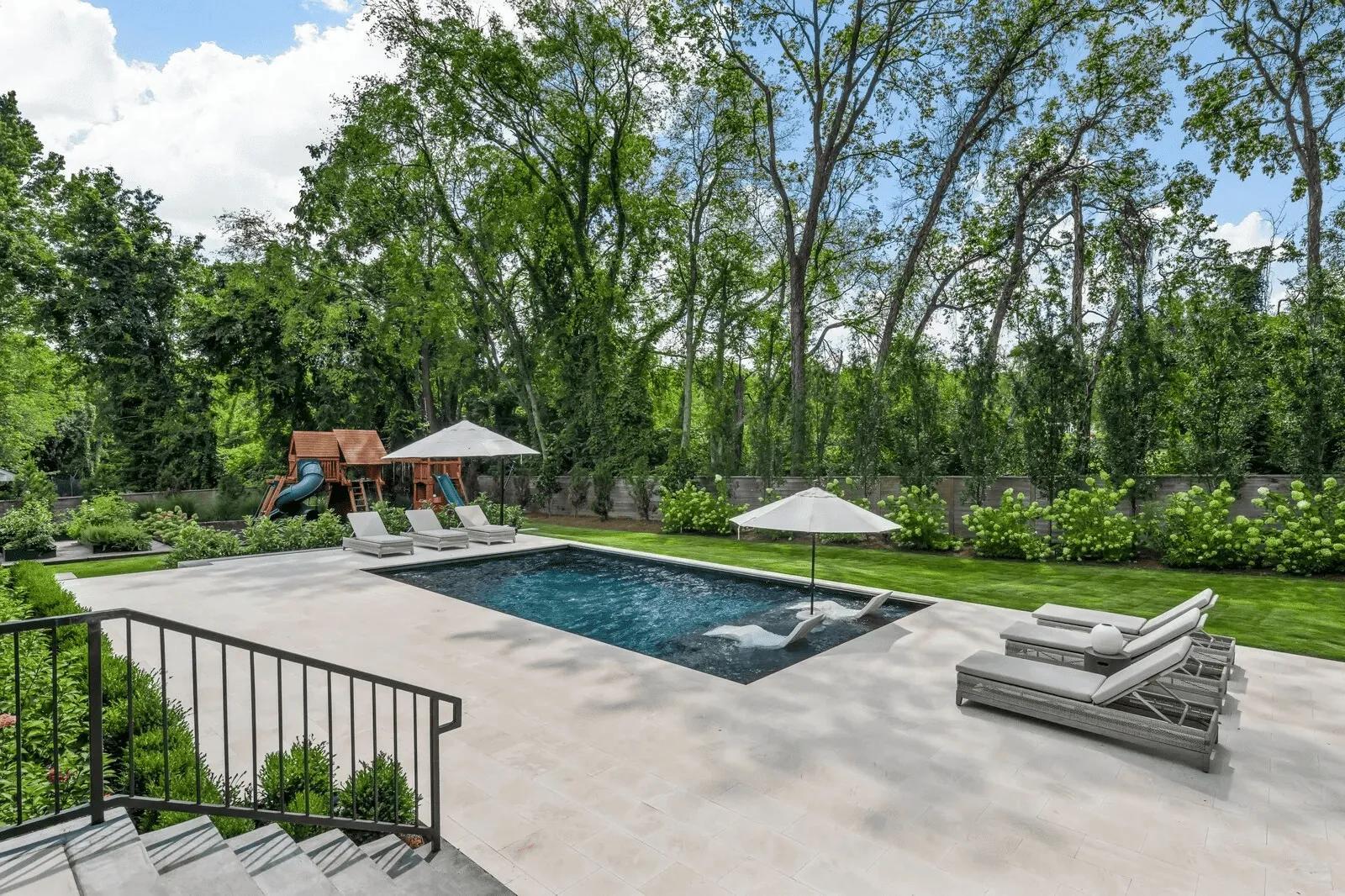
For many homeowners across Nashville, TN, the idea of stepping into a beautifully designed backyard pool on a warm summer evening is the stuff dreams are made of. But before that dream becomes a reality, there are real questions that deserve honest, thoughtful answers. Working with experienced custom pool builders in Nashville, TN is a major decision that goes far beyond aesthetics and excitement. It involves careful planning, a realistic understanding of long-term costs, and a clear picture of how a pool will fit into your day-to-day lifestyle. Whether you are seriously considering taking the plunge or simply gathering information, this guide will walk you through everything you need to know before breaking ground on a custom pool project.
Understanding the Types of Custom Pools Available to Homeowners
One of the first things homeowners discover when researching custom pools is how wide the variety of options truly is. From classic rectangular lap pools to freeform lagoon-style designs, the shape and type of pool you choose will influence not just the look of your backyard, but also the overall project scope, maintenance demands, and long-term enjoyment. In-ground pools, which are the most popular choice for permanent residential installations, can be built using concrete, fiberglass, or vinyl liner materials, each carrying its own set of advantages and considerations. Concrete pools, sometimes called gunite or shotcrete pools, offer the highest level of design flexibility and are widely considered the most durable option for homeowners who want a truly custom build.
Exploring Design Options and Choosing the Right Pool Layout
The design phase of a custom pool project is where the real creativity comes to life. According to the Pool and Hot Tub Alliance, a well-designed pool should complement the architecture of the home, the natural contours of the yard, and the lifestyle of the family using it. Homeowners in Nashville, TN enjoy the advantage of a climate that allows for a relatively long swimming season, which makes thoughtful design especially valuable. Factors such as sun exposure, prevailing wind direction, proximity to trees, and the natural slope of your property all play a meaningful role in determining where and how your pool should be positioned.
The Real Cost of Building a Custom Pool
Let us address the financial reality of custom pool ownership with the kind of honest clarity homeowners deserve. The cost of building a custom in-ground pool is influenced by a number of interconnected factors, including pool size and shape, material selection, site conditions, the complexity of features incorporated, and local labor and permitting requirements. Concrete pools are generally more expensive than fiberglass or vinyl liner alternatives, but they also offer the most customization and tend to have the longest lifespan when properly maintained. Excavation costs can increase significantly if a property has rocky soil, limited access, or a steeply sloped yard, which is something homeowners in hilly areas of Tennessee should be prepared for.
Beyond the pool itself, homeowners should budget for the surrounding infrastructure, including decking, fencing (required in most jurisdictions for safety compliance), landscaping integration, electrical and plumbing connections, and any water features or automation systems. The American Institute of Architects recommends thinking of an outdoor living project as a whole, factoring in how different elements interact and contribute to the overall investment value. It is also worth noting that adding a custom pool typically increases property value, though the return on investment varies based on market conditions and how well the pool complements the rest of the property. Homeowners should speak with a local real estate professional in addition to their pool builder to get a realistic picture of how their specific project may affect resale value in Nashville, TN.
Ongoing Maintenance Costs and What to Expect
Owning a pool is a long-term commitment, and the operational and maintenance costs are a critically important piece of the financial picture that often gets underestimated. Regular pool maintenance includes water chemistry balancing, cleaning and vacuuming, filter maintenance, and seasonal opening and closing procedures. The Centers for Disease Control and Prevention emphasizes that proper water chemistry is essential not just for the longevity of pool equipment, but for the health and safety of swimmers. Homeowners who prefer a hands-off approach often hire professional pool service companies, which adds a recurring service cost to the annual budget.
Pool Features Worth Considering for Your Project
One of the most enjoyable aspects of working with a custom builder is the opportunity to incorporate features that reflect your personal lifestyle and preferences. Built-in spas or hot tubs connected to the main pool are among the most requested additions, providing year-round enjoyment even during cooler months in Nashville, Tennessee. Sun shelves and tanning ledges have become extremely popular in recent years, offering a shallow wading area ideal for young children or those who simply want to relax in the water without fully swimming. Water features such as cascading waterfalls, laminar jets, and bubblers add visual drama and a soothing acoustic element to the pool environment.
Common Mistakes to Avoid When Planning a Custom Pool
Even well-intentioned homeowners can fall into planning pitfalls that complicate or delay their pool project. One of the most common mistakes is underestimating the full scope of the budget by focusing only on the pool structure while overlooking decking, fencing, landscaping, and equipment. Another frequent issue is choosing a pool size or shape that does not align with the available yard space, resulting in a pool that feels cramped or leaves insufficient room for outdoor furniture, lawn areas, or future landscaping changes. It is also important not to skip the permitting process or assume that local regulations are flexible, as Nashville, TN has specific codes governing setbacks, fencing requirements, and electrical installations around pools.
How to Plan Your Custom Pool Project Step by Step
A well-organized planning process sets the foundation for a successful pool build. Begin by defining your goals clearly, asking yourself how you plan to use the pool, who will use it most often, and what role it will play in your overall outdoor living vision. Next, assess your property by reviewing lot size, existing landscaping, utility locations, drainage patterns, and access points for excavation equipment. Once you have a clear picture of your space and goals, reach out to qualified builders in your area to begin preliminary conversations and gather conceptual design ideas.
Conclusion
A custom pool is one of the most rewarding investments a homeowner can make, but it is also one that requires genuine preparation, realistic expectations, and a trusted building partner. From understanding the types of pools and design possibilities available to planning for ongoing maintenance and long-term costs, the more informed you are going in, the more satisfied you will be with the result. Nashville Outdoor Living Spaces, brings years of custom design and construction experience to every project, with a genuine passion for creating backyard environments that homeowners love for years to come. If you are ready to explore what a custom pool could look like for your property, visiting Nashville Outdoor Living Spaces on Google Maps is a great first step to connect with a team that understands both the art and the craft of exceptional outdoor design.
Frequently Asked Questions
How long does it take to build a custom pool in Nashville, TN?
The timeline for a custom pool project varies depending on the size and complexity of the design, site conditions, and local permitting timelines. Most in-ground custom pools take anywhere from two to five months from the start of construction to final completion, with concrete pools generally requiring more time than fiberglass installations due to the curing and finishing processes involved. Weather conditions in Tennessee can also influence construction schedules, particularly during periods of heavy rainfall that may interrupt excavation or concrete work. Homeowners should discuss a realistic timeline with their builder during the planning phase so they can set appropriate expectations and plan accordingly for any seasonal or lifestyle disruptions during the build.
Does adding a custom pool increase my home's resale value?
A custom pool can positively impact home value, particularly in markets like Nashville, Tennessee where outdoor living spaces are highly desirable among buyers. However, the return on investment depends on several factors including the quality of construction, the overall design of the outdoor space, the neighborhood, and current market conditions. A pool that is beautifully integrated with thoughtful landscaping and outdoor living features tends to be perceived as a greater asset than a pool that exists in isolation without surrounding amenities. Speaking with a local real estate professional alongside your pool builder can help you understand how a pool investment specifically aligns with values in your neighborhood.
What is the difference between a concrete pool and a fiberglass pool?
Concrete pools, also referred to as gunite pools, are built on site by spraying a mixture of cement and aggregate over a steel rebar framework, which gives them virtually unlimited flexibility in terms of shape, size, and depth. Fiberglass pools are manufactured off site as pre-formed shells and then transported and installed into an excavated site, which limits customization options but significantly reduces installation time and long-term maintenance demands since the surface is non-porous and resistant to algae. Concrete pools require more regular surface maintenance and may need resurfacing after many years of use, while fiberglass pools have a smoother interior that is gentler on swimmers and easier to keep chemically balanced. The right choice depends on your priorities around design flexibility, budget, and long-term care preferences.
What pool safety requirements do homeowners in Nashville, TN need to follow?
Pool safety is governed by both state and local regulations, and homeowners in Nashville, Tennessee are required to install appropriate fencing and barriers around their pools to prevent unsupervised access, particularly by young children. Tennessee state law generally requires a fence of a minimum specified height with a self-latching gate, and Nashville Metro also has specific building code requirements that apply to residential pool installations. In addition to fencing, homeowners should consider investing in pool alarms, safety covers, and proper lighting to ensure that their pool environment is as safe as possible for all users. Your builder will be familiar with local permitting requirements and can help ensure that your project meets all applicable safety codes from the start of the design process.