

Is It Worth Getting a Sewer Line Inspection? Benefits of Camera Line Inspections
Your home's sewer system quietly does one of the most important jobs in the house. When it works, you never think about it. When it fails, the consequences can be severe, from sewage backups and foul odors to structural damage and costly excavation work. For homeowners in Dayton, OH and throughout Dayton, OH, the question of whether is it worth getting a sewer line inspection in Dayton, OH comes up most often right after a problem has already surfaced. But ideally, that question should be answered long before any damage occurs. A professional camera line inspection gives you a clear, real-time look inside your underground pipes without any digging, disruption, or guesswork.
This article breaks down exactly how sewer camera inspections work, the scenarios where they are most valuable, and why early detection is far less expensive than emergency repair.
What Is a Sewer Camera Inspection?
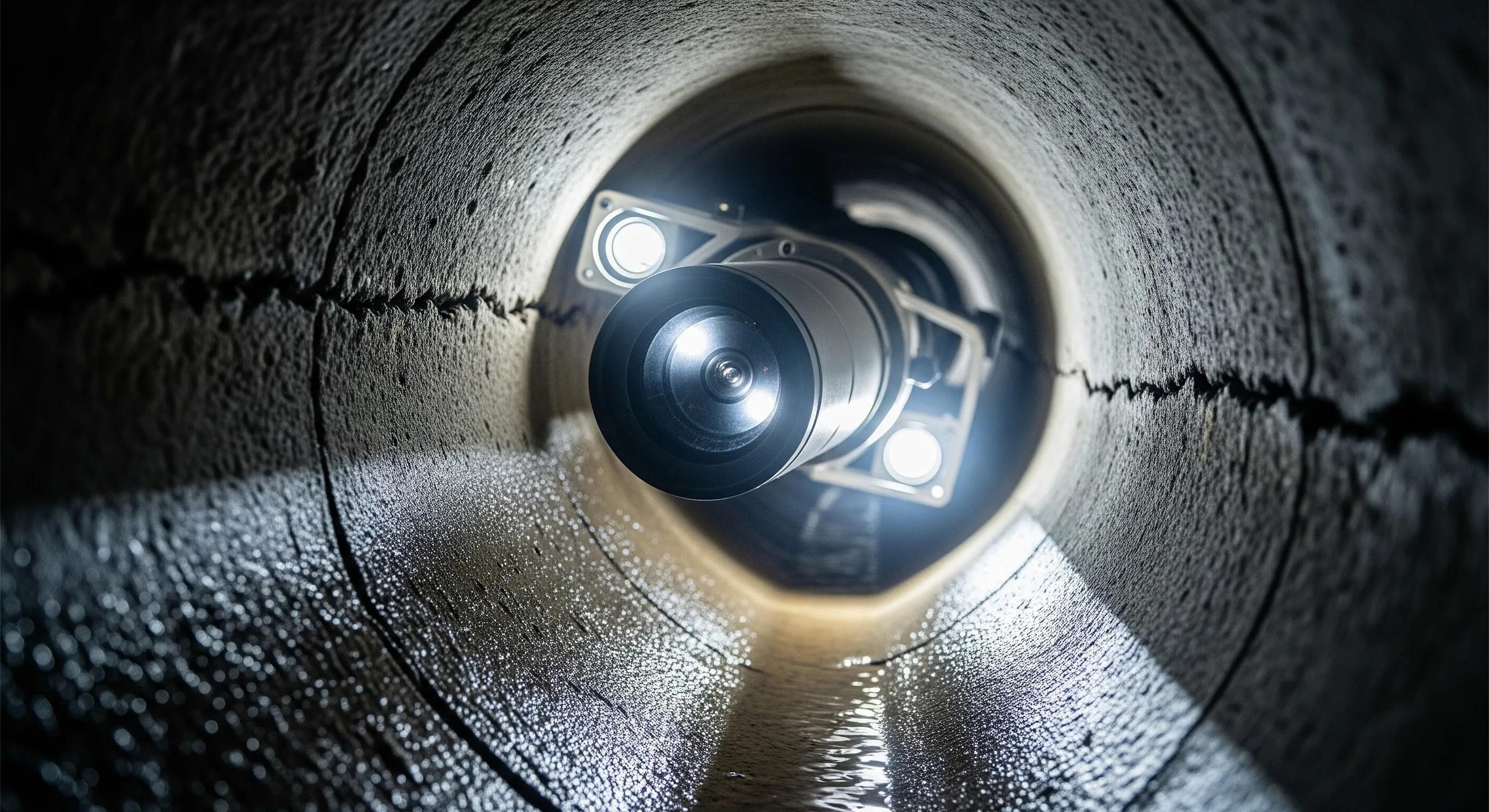
A sewer camera inspection is a non-invasive diagnostic procedure in which a licensed plumber inserts a flexible, waterproof rod with a high-resolution camera attached to one end directly into your sewer line. As the camera travels through the pipe, it transmits live video footage to a monitor that the technician watches in real time.
Modern inspection cameras are equipped with powerful LED lighting to illuminate the interior of dark pipes, and many systems include transmitters that allow the plumber to pinpoint the exact location of a problem on the surface above ground. This means that if a crack, blockage, or section of collapsed pipe is discovered, the technician can mark its precise location without excavating the entire yard.
The footage is often recorded so that homeowners can review the findings themselves, and a written report may be provided summarizing the condition of the line and any recommended next steps. The entire process is minimally invasive, typically completed within a few hours, and does not require tearing up flooring, walls, or landscaping.
What Can a Sewer Camera Inspection Reveal?
Underground pipes are subject to a wide range of problems that develop slowly over time and remain completely invisible until they cause a major failure. A sewer camera inspection can identify all of the following.
Cracks and fractures develop in older pipes due to ground movement, temperature changes, or the natural aging of materials like clay, cast iron, or Orangeburg pipe. Even hairline cracks can allow groundwater to infiltrate the line or raw sewage to leak into the surrounding soil.
Tree root intrusion is one of the most common and destructive issues found during inspections. Tree and shrub roots naturally seek out moisture and can enter even the smallest gap in a pipe joint or crack. Once inside, they grow and expand, creating severe blockages and eventually causing the pipe to break entirely. Because the trees may be nowhere near the visible entry point of the sewer cleanout, homeowners are often surprised when roots are found deep within the line.
Grease and debris buildup accumulates over time along the interior walls of pipes, narrowing the flow channel and increasing the risk of clogs and backups. This is particularly common in kitchen drain lines where cooking fats, oils, and soap residue build up over years of use.
Pipe misalignment and belly formation occur when a section of pipe sinks due to soil movement, creating a low spot where waste collects and causes chronic slow drains and repeated clogs.
Corrosion and deterioration affect older metal pipes, causing interior walls to rust and flake, narrowing the flow channel and accelerating future blockages.
Joint separation happens when pipe section connections come apart, allowing sewage to leak into the surrounding soil and potentially causing sinkholes or groundwater contamination.
When Should Homeowners Get a Sewer Line Inspection?
There are several situations in which scheduling a professional sewer camera inspection is not just advisable but strongly recommended.
Before buying a home. A standard home inspection covers the visible components of the plumbing system but does not include the sewer line. The sewer lateral, which is the section of pipe running from the house to the municipal main, is the homeowner's responsibility and can cost thousands of dollars to repair or replace if it is damaged. Getting a pre-purchase sewer inspection gives buyers a complete picture of the property they are purchasing and significant negotiating leverage if problems are found. According to the International Association of Certified Home Inspectors, sewer line defects are among the most commonly missed issues in standard home inspections.
If your home is more than 25 to 30 years old. Older homes in Dayton, OH often have sewer lines made of materials that are no longer used in modern construction, including clay tile, cast iron, and Orangeburg pipe, a compressed wood and asphalt material that was widely used through the mid-20th century. These materials are prone to cracking, root intrusion, and collapse as they age. A camera inspection can confirm whether the existing line is still in acceptable condition or whether replacement is warranted.
When you have large trees on your property. Tree root intrusion is a leading cause of sewer line damage, and the risk increases significantly when mature trees are located near the sewer lateral. If you have large oaks, elms, poplars, or other deep-rooted trees on or adjacent to your property, periodic inspections are a smart preventive measure.
If you experience recurring drain problems. Slow drains, gurgling sounds from toilets or floor drains, and frequent clogs that return shortly after being cleared are all signs of a deeper underlying issue. Snaking a drain may temporarily clear a blockage but will not address a structural problem like a pipe belly, root intrusion, or partial collapse. A camera inspection identifies the root cause so that the correct repair can be performed.
After a major sewer backup or flood. If your home has experienced sewage backup into sinks, tubs, or floor drains, a camera inspection should be performed to assess the condition of the line and determine the cause before the drain is put back into normal use.
As part of routine preventive maintenance. Even without any obvious symptoms, having the sewer line inspected every few years is a sensible practice, particularly for older homes. The Environmental Protection Agency notes that aging sewer infrastructure is a growing concern across the United States, and proactive maintenance is one of the most effective strategies for preventing failures.
How Early Detection Saves Homeowners Money
The financial case for proactive sewer inspections is straightforward. Small problems that are discovered early are almost always far less expensive to repair than the emergencies they would eventually become if left unaddressed.
A minor crack that allows tree roots to enter a pipe can be addressed with targeted root removal and a spot repair. If that same crack is ignored for several more years, the roots will eventually fill the pipe entirely, causing a complete blockage or pipe collapse that may require full excavation and sewer line replacement.
Similarly, a pipe belly discovered during a routine inspection might be remedied with a localized repair. Discovered only after it has caused a sewer backup into the home, the same problem now comes with the added cost of water damage cleanup, potential mold remediation, and emergency plumbing service.
Camera inspections also eliminate unnecessary excavation. Before video inspection technology became widely available, plumbers often had to dig up large sections of a yard to locate and diagnose sewer problems. With a camera, the exact location and nature of a problem can be identified before any digging begins, so repairs are targeted and the disruption to landscaping and hardscaping is kept to a minimum.
For property buyers, a pre-purchase inspection can save tens of thousands of dollars by identifying a failing sewer line before the sale closes. At that point, the issue can be negotiated into the purchase price or the seller can be required to make repairs as a condition of the sale.
What Happens After a Sewer Camera Inspection?
Once the inspection is complete, the plumber will review the footage with you and explain what was found. If the line is in good condition, you will have peace of mind and a baseline record of the pipe's condition for future reference. If problems are identified, you will receive a clear explanation of the issue, its severity, and the available repair options.
Depending on what is found, repair options might include hydro jetting to clear buildup, spot repairs for isolated cracks or joint failures, trenchless pipe lining or pipe bursting to rehabilitate a deteriorating line without full excavation, or traditional open-cut replacement for severely damaged sections.
The key advantage is that you will be making repair decisions based on accurate, documented information rather than guesswork or incomplete diagnosis.
Conclusion
A sewer camera inspection is one of the most practical investments a homeowner can make. It provides accurate, real-time information about the condition of an underground system that is both expensive to repair and impossible to see with the naked eye. Whether you are buying a home, managing an older property, dealing with recurring drain issues, or simply taking a proactive approach to home maintenance, a camera line inspection removes the uncertainty from one of the most critical and costly components of your home's infrastructure.
For homeowners in Dayton, OH, working with a licensed local plumber who offers sewer camera inspection services means you get professional-grade diagnostics with the knowledge of local soil conditions, pipe materials, and municipal sewer systems that affects how inspections are conducted and interpreted. Catching a problem early, or confirming that everything is in good shape, is always worth it.
Frequently Asked Questions
How long does a sewer camera inspection typically take?
Most residential sewer camera inspections are completed within one to two hours depending on the length and complexity of the sewer line and the number of access points available. If the technician needs to locate a cleanout or clear a minor obstruction before inserting the camera, the process may take a bit longer, but it is generally a fast and minimally disruptive service.
Is a sewer camera inspection necessary if my drains seem to be working fine?
Yes, in many cases it still makes sense to have the line inspected even when drains are functioning normally. Many serious sewer problems including root intrusion, pipe corrosion, and partial pipe bellies develop gradually and do not produce obvious symptoms until they reach an advanced stage. A routine inspection can identify these conditions early when they are much less expensive to address.
Can a camera inspection be done on any type of sewer pipe?
Modern sewer inspection cameras are compatible with a wide range of pipe materials including PVC, cast iron, clay, concrete, and Orangeburg. Technicians use different camera sizes and cable configurations depending on the diameter and condition of the pipe being inspected, so most residential and commercial sewer lines can be assessed without any special modifications.
What should I do if the inspection reveals tree root intrusion?
Root intrusion is a common finding and does not always mean the pipe needs to be replaced immediately. Depending on the severity, a plumber may recommend hydro jetting to remove the existing roots and a periodic maintenance schedule to prevent regrowth, a trenchless pipe lining solution to seal the pipe from the inside, or spot repair or replacement if the roots have caused structural damage to the pipe wall. The appropriate response depends on the extent of the intrusion and the overall condition of the surrounding pipe.
How often should a sewer line be inspected as part of routine home maintenance?
For most homes, having the sewer line inspected every two to three years is a reasonable preventive maintenance interval. Homes with older pipes, large mature trees, a history of sewer problems, or that have not had a recent inspection may benefit from more frequent assessments. Your plumber can recommend an appropriate schedule based on the age, material, and condition of your specific sewer line.