

Why Is Dry Ice Blasting So Expensive and Is It Worth the Cost for Fire Damage Cleanup
Fire damage leaves behind more than charred walls and broken belongings. The invisible aftermath, including layers of soot, smoke residue, and deeply embedded odors, presents a serious restoration challenge that traditional cleaning methods often struggle to fully resolve. Dry ice blasting in Cincinnati, OH has emerged as one of the most advanced and effective techniques available for thorough fire damage cleanup, but many homeowners are surprised when they see the associated costs. Understanding why this method carries a higher price tag, and when that investment is genuinely worthwhile, can help you make a confident and informed decision about your restoration project. If you are exploring your options after a fire, learning about dry ice blasting for fire damage restoration is an important first step before committing to any cleanup approach.
What Is Dry Ice Blasting and How Does It Work
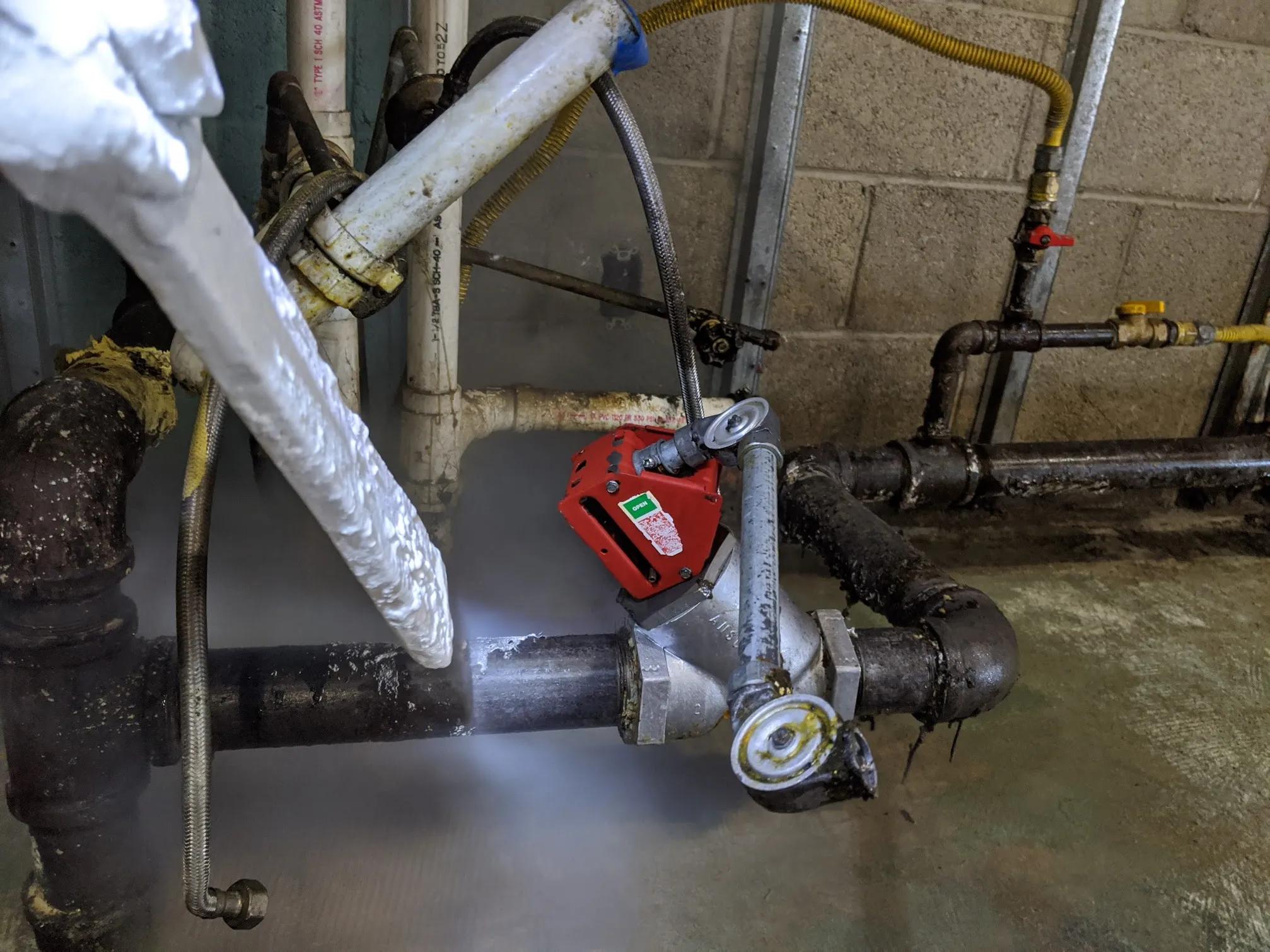
Dry ice blasting is a cleaning process that uses compressed air to propel small pellets of solid carbon dioxide, commonly known as dry ice, at high velocity against contaminated surfaces. When the pellets make contact, a rapid thermal shock occurs that causes soot, smoke residue, char, and other contaminants to contract and lift away from the surface. The dry ice then sublimates instantly, meaning it converts directly from a solid to a gas without leaving any secondary residue or moisture behind.
Factors That Make Dry Ice Blasting Expensive
Several concrete factors contribute to the higher cost of dry ice blasting compared to traditional cleaning approaches. Understanding these elements helps explain why the pricing reflects genuine value rather than simply premium branding.
The first major cost driver is the equipment itself. Dry ice blasting machines are highly specialized industrial tools that require significant capital investment, ongoing maintenance, and calibration to operate correctly. These are not pieces of equipment that a general contractor typically owns or can rent from a local hardware store. Restoration companies that offer this service have invested heavily in acquiring and maintaining this machinery, and that investment is reflected in the service rate.
The second factor is the dry ice supply chain. Dry ice is produced from liquid carbon dioxide and has an extremely short shelf life because it is always sublimating. Restoration companies must source it fresh for each job, coordinate delivery logistics carefully, and manage storage under controlled conditions. The supply costs are ongoing and non-negotiable regardless of job size, which means even smaller projects carry a baseline material expense that traditional methods do not face in the same way.
The third cost contributor is operator expertise and training. Running a dry ice blasting system safely and effectively requires specialized training. Operators must understand the correct pressure settings for different surfaces, how to contain the carbon dioxide gas in enclosed spaces to ensure adequate ventilation, and how to protect surrounding areas from the powerful stream. Experienced technicians in this field command higher wages than general cleanup laborers, and that cost is appropriately passed along in the service pricing.
Cost Compared to Traditional Cleaning Methods
Traditional fire damage cleaning methods typically rely on chemical sponges, wet cleaning solutions, abrasive scrubbing, and in more severe cases, physical removal and replacement of affected materials. While these approaches can be effective for surface-level contamination, they often leave behind residual soot in porous materials, require the use of water that can introduce moisture damage and mold risk, and generate significant secondary waste that must be disposed of properly.
From a straight cost comparison, dry ice blasting will generally appear more expensive on an initial quote. However, when restoration professionals factor in the total scope of the project, the calculation often shifts. Traditional methods that fail to extract deeply embedded contaminants may require repeat treatments, additional drying time, and in many cases the removal and replacement of materials that could have been salvaged with a more thorough cleaning technique.
When Dry Ice Blasting Is the Best Option
Not every fire damage scenario requires dry ice blasting, and part of working with a knowledgeable restoration team is identifying the situations where this method delivers the greatest return on investment. There are several circumstances where it clearly stands apart from alternatives.
When structural wood framing has been affected by smoke or soot but remains structurally sound, dry ice blasting can clean those surfaces thoroughly without introducing moisture or requiring demolition. This is one of the most compelling use cases because preserving existing framing rather than replacing it saves time, labor, and material costs that far outweigh the cleaning expense. In older homes where original wood is difficult to match or replace, this benefit becomes even more pronounced.
Electrical systems and mechanical components present another strong case for dry ice blasting. Soot is electrically conductive and corrosive, meaning it poses ongoing fire and system failure risks if not fully removed. Traditional wet cleaning methods create obvious hazards around electrical components, but dry ice blasting can safely clean these surfaces without introducing moisture or leaving behind any chemical residue that might interact with the equipment.
How Dry Ice Blasting Improves Fire Damage Cleanup Results
The most immediate improvement that dry ice blasting delivers over conventional methods is depth of clean. Fire generates soot particles that are exceptionally fine and can penetrate deeply into porous materials. Chemical cleaning lifts surface contamination effectively but often leaves a residual layer within the material itself. This residual soot continues to off-gas and contribute to lingering odors even after a property appears visually clean. Dry ice blasting, by contrast, addresses contamination at greater depth through the thermal shock and gas expansion mechanism, resulting in a more complete removal of odor-causing compounds.
Speed of restoration is another meaningful advantage. By preserving more structural materials and reducing the need for demolition and replacement cycles, dry ice blasting can compress the overall timeline of a restoration project.
Surfaces Best Suited for Dry Ice Blasting
Dry ice blasting performs exceptionally well on wood framing and structural lumber, concrete block and masonry, metal ductwork and HVAC components, electrical panels and wiring conduits, and finished surfaces like hardwood floors and decorative millwork. It is particularly effective on irregular or textured surfaces where soot can accumulate in recesses and grooves that manual cleaning tools cannot reach efficiently.
There are some surfaces where dry ice blasting requires careful judgment. Very thin or delicate materials, certain plastics, and surfaces with pre-existing damage may require modified techniques or alternative methods. A qualified restoration specialist will assess each surface individually and recommend the appropriate approach, sometimes combining dry ice blasting with other cleaning methods to achieve the best overall result.
How to Decide If Dry Ice Blasting Is Worth the Investment
The decision to use dry ice blasting ultimately comes down to the scope and nature of the fire damage, the value of the materials at risk, and the total cost comparison when demolition and replacement are factored in. Homeowners and property managers who are evaluating this option should ask their restoration provider to present a side-by-side comparison of the projected outcomes and total costs for different cleaning approaches.
You can also learn more about Yeti Restoration's fire damage restoration and dry ice blasting services to understand how this method is applied in real restoration scenarios and what the process looks like from start to finish.
Conclusion
Dry ice blasting carries a higher upfront cost than traditional fire damage cleanup methods for clear and defensible reasons, including specialized equipment, ongoing dry ice supply logistics, expert operator training, and the precision the method demands. However, its ability to clean deeply, preserve structural materials, protect sensitive systems, and reduce overall project timelines means that its total value frequently exceeds that of cheaper alternatives when the full scope of restoration is considered.
For additional information on fire damage restoration approaches and professional guidance, Yeti Restoration is a trusted resource for Cincinnati homeowners navigating the recovery process.
Frequently Asked Questions
What makes dry ice blasting different from pressure washing for fire damage cleanup
Dry ice blasting uses solid carbon dioxide pellets propelled by compressed air to remove soot and residue through thermal shock and gas expansion, without introducing any water or moisture to the affected surfaces. Pressure washing relies on high-velocity water to dislodge contaminants, which can saturate porous materials, increase drying time, introduce mold risk, and potentially damage surfaces that are already weakened by fire or heat exposure. The dry nature of dry ice blasting makes it significantly more appropriate for use around electrical systems, finished wood surfaces, and structural framing where moisture would create additional complications.
Does dry ice blasting completely eliminate smoke odor after a fire
Dry ice blasting addresses smoke odor more effectively than many other cleaning methods because it removes soot and carbonized residue at greater depth within porous materials rather than simply treating the surface. Smoke odor persists primarily because the fine particles that cause it become embedded in wood, masonry, and other porous substrates. By extracting more of this contamination, dry ice blasting significantly reduces the source of ongoing odor. However, comprehensive odor elimination after a significant fire may also require additional treatments such as thermal fogging, ozone treatment, or air purification as part of a complete remediation strategy.
Is dry ice blasting safe to use inside a home during fire damage restoration
Dry ice blasting is safe when performed by trained professionals who implement proper ventilation protocols. The primary safety consideration is carbon dioxide gas accumulation in enclosed spaces, as dry ice sublimates into carbon dioxide upon contact. Qualified technicians manage this through controlled airflow and ventilation equipment to ensure gas concentrations remain at safe levels throughout the work area. Homeowners and unprotected occupants should not be present in the immediate work zone during the process, and professional restoration teams follow established safety guidelines to protect everyone involved.
Can dry ice blasting be used on all types of fire damaged surfaces
Dry ice blasting is effective on a wide range of surfaces including structural wood, concrete, masonry, metal ductwork, electrical panels, and many finished surfaces. However, it requires professional assessment before application on very thin or fragile materials, certain types of plastics, or surfaces that have sustained significant structural compromise from the fire itself. A qualified restoration technician will evaluate each surface and determine whether dry ice blasting alone is appropriate or whether it should be combined with other methods to achieve the best result without causing additional damage.