

Pergola vs. Pavilion in Nashville, TN: Which Outdoor Structure Fits Your Backyard?
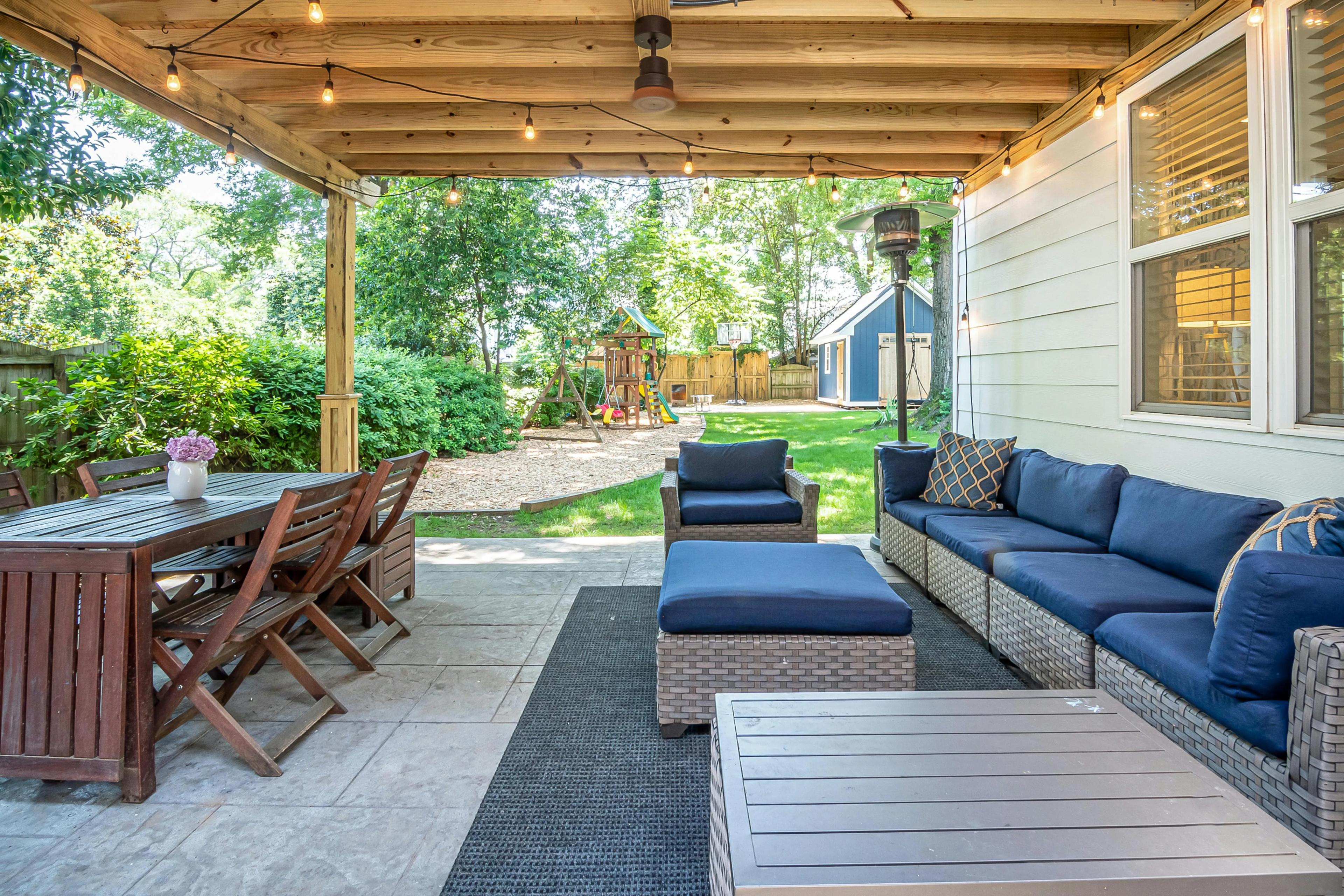
Pergola vs. Pavilion in Nashville, TN
Adding a covered outdoor space ranks high on most Nashville homeowners' wish lists. But before you hire a contractor, you need to answer one question. Should you build a pergola or a pavilion? The answer depends on how you plan to use your yard, what Middle Tennessee's weather demands, and your budget.
The pergola vs pavilion debate comes down to roof design, weather protection, and total cost. Choosing the wrong structure can leave you frustrated after the first spring downpour rolls through Davidson County. This guide breaks down the real differences so you can make a confident decision. If you are already exploring options, Nashville Outdoor Living Spaces offers a full range of outdoor structures in Nashville, TN designed for the local climate and built to last.
How Roof Design Separates a Pergola From a Pavilion
The roof is the single biggest difference between these two structures. Understanding this distinction helps you predict how each one performs in your backyard across all four seasons.
Open Lattice Roof on a Pergola
A pergola uses an open framework of beams and rafters. The crossbeams create a grid pattern that filters sunlight without blocking it entirely. This design gives you partial shade and an airy, open feel that blends into the surrounding landscape.
Many homeowners train climbing plants like wisteria, jasmine, or grapevines over the lattice. Over time, the foliage creates a natural canopy that adds privacy and extra shade. The tradeoff is clear, though. An open lattice roof does not stop rain, and it offers zero protection from wind-driven storms.
You can add a retractable canopy or shade sail for more coverage. These additions work well during dry months but do not match the waterproof performance of a solid roof.
Solid Gable Roof on a Pavilion
A pavilion features a fully enclosed roof, typically built with architectural shingles, standing seam metal, or tongue-and-groove wood. The gable or hip roof sheds water, blocks direct sun, and stands up to high winds.
Because the sides stay open, a pavilion still feels like an outdoor space. You get fresh air and a clear view of your yard while staying completely dry overhead. This design lets you use the space year-round, even during Nashville's heavy spring rainstorms.
Why Nashville's Climate Matters in This Decision
Middle Tennessee sits in a humid subtropical climate zone. That classification (Köppen Cfa) means hot, humid summers and mild winters with rain spread throughout the year. Nashville averages roughly 49 inches of rainfall per year, according to the National Weather Service. That total runs well above the national average of 38 inches.
Rain falls across every season here, with May being the wettest month at around 5 inches. Summer afternoons regularly bring pop-up thunderstorms. Winter months see steady, soaking rains driven by frontal systems.
If you plan to host cookouts in Bellevue, watch football in Hermitage, or relax after work in Green Hills, weather protection matters. A pergola works during dry stretches. But Nashville's 120 rainy days per year can limit how often you use it. A pavilion keeps your furniture, grill, and electronics dry no matter the forecast.
Neighborhoods across the Nashville metro, from Brentwood (37027) and Franklin (37064) to Hendersonville (37075) and Murfreesboro (37129), all share this same weather pattern. The structure you choose should account for it.
Cost Comparison: Pergola vs. Pavilion Pricing
Budget plays a major role in this decision. A pergola and a pavilion serve different purposes, and their price tags reflect that gap.
What a Pergola Costs
A basic wood pergola starts around $7,500 for a 12x12 footprint. Adding masonry or modular block pillars, electrical wiring, lighting, or a fan can push the total to $25,000 or higher. Cedar and pressure-treated pine are the most common materials. Cedar resists rot naturally but costs more upfront. Pressure-treated lumber saves money but requires regular staining and sealing.
Vinyl pergola kits offer a lower-maintenance alternative, though they lack the natural warmth of real wood. For most Nashville homeowners, a mid-range custom pergola falls between $10,000 and $20,000 installed.
What a Pavilion Costs
Pavilions require more material, more labor, and a stronger foundation. A standard pavilion starts around $25,000 and can reach $65,000 or more depending on size and features. Timber frame pavilions with exposed beams sit at the top of that range.
The roof alone accounts for a significant portion of the cost. Architectural shingles are affordable, while standing seam metal costs more but lasts decades with minimal maintenance.
Adding an outdoor kitchen, built-in grill, ceiling fans, or a fireplace increases the price. These features turn a pavilion into a true outdoor room.
When the Extra Investment Pays Off
A pavilion costs roughly two times more than a comparable pergola. That premium makes sense when you plan to use the space in all weather, host large gatherings, or install expensive outdoor appliances.
If you cook outdoors regularly, a pavilion protects your grill and countertops from rain damage. If you mount a television for game days, a solid roof prevents water and sun damage. The return on investment also shows at resale. According to the National Association of Realtors, outdoor living features consistently rank among the top improvements that attract buyers.
Ideal Use Cases for Each Structure
When a Pergola Is the Right Choice
A pergola fits best when you want a defined garden space without full enclosure. Here are the situations where a pergola shines.
Vine-covered garden feature. A pergola draped in climbing roses or wisteria creates a stunning visual focal point. The open roof lets plants thrive with direct sunlight.
Patio shade accent. Placed over a small dining set or seating area, a pergola adds filtered shade for morning coffee or evening drinks.
Walkway or entryway cover. A long, narrow pergola over a garden path adds architectural interest and gentle shade.
Budget-friendly upgrade. If you want to improve your backyard without a major investment, a pergola delivers strong visual impact at a lower cost.
When a Pavilion Makes More Sense
A pavilion works best as a full outdoor living space. Consider a pavilion for these situations.
Outdoor kitchen hub. A pavilion protects countertops, appliances, and refrigerators from weather damage. It also keeps the cook dry during summer storms.
Year-round entertaining area. With ceiling fans for summer and a fireplace for winter, a pavilion stays comfortable across all seasons.
Poolside shelter. A pavilion near a pool offers shade, a dry spot for towels, and a gathering space between swims.
Large seating and dining area. A 16x20 or 20x24 pavilion holds a dining table, lounge furniture, and bar seating for groups of 10 or more.
Permits and Building Codes in Nashville
Both pergolas and pavilions typically require a building permit in Nashville and Davidson County. The Metro Nashville Department of Codes and Building Safety classifies these as accessory structures. You will need to submit a site plan that shows the proposed location, distances to property lines, and any existing easements.
Setback requirements vary by zoning district. Properties within a Historic Preservation Overlay or Neighborhood Conservation Overlay may face additional review. Contact Tennessee 811 at least three working days before digging to mark underground utilities, as required by Metro Code Chapter 16.
Pavilions with plumbing, gas lines, or electrical work require separate trade permits. Homeowners pulling a self-permit must complete an Affidavit of Exemption and have it notarized. For projects valued over $25,000, a licensed contractor must pull the permit.
Working with a builder who understands local requirements saves time and prevents costly mistakes.
Material Options That Work in Middle Tennessee
Nashville's humidity and heavy rain put outdoor structures to the test. Pressure-treated pine offers the lowest cost but needs staining every two to three years. Western red cedar resists decay naturally and weathers to silver-gray if left untreated. Composite and vinyl materials require almost no upkeep and resist moisture and fading. Timber frame construction uses hand-cut joinery for a premium look that lasts for generations.
For pavilion roofing, standing seam metal handles Nashville's rainfall and occasional hail better than standard shingles.
Conclusion
Choosing between a pergola and a pavilion comes down to three things: how much weather protection you need, how you plan to use the space, and what your budget allows. A pergola gives you a beautiful, budget-friendly garden feature with partial shade. A pavilion gives you a fully sheltered outdoor room that works in every season.
Nashville's 49 inches of annual rain and humid summers favor a solid-roof structure for anyone who wants consistent outdoor use. But if ambiance and garden aesthetics matter more than all-weather function, a well-built pergola delivers plenty of charm.
Either way, hiring an experienced local builder ensures your structure meets Metro Nashville codes and uses materials suited to Middle Tennessee's climate. Nashville Outdoor Living Spaces helps homeowners across the Nashville metro design and build pergolas, pavilions, and other outdoor structures that fit their property and lifestyle.
Frequently Asked Questions
Is a pergola or pavilion better for Nashville weather?
A pavilion handles Nashville weather better because its solid roof blocks rain, which falls roughly 120 days per year in Middle Tennessee. A pergola works well during dry months but offers no rain protection without aftermarket covers.
How much more does a pavilion cost than a pergola?
A pavilion typically costs about two times more than a pergola of similar size. A mid-range pergola runs $10,000 to $20,000, while a comparable pavilion starts around $25,000 and can exceed $65,000 with premium features.
Do I need a building permit for a pergola or pavilion in Nashville?
Yes. The Metro Nashville Department of Codes and Building Safety requires a building permit for both pergolas and pavilions. You must submit a site plan showing proposed placement, property line distances, and easement locations.
Can I add a solid roof to a pergola later?
You can retrofit a pergola with a solid roof, but the original posts and beams may not support the added weight. Converting a pergola often costs more than building a pavilion from scratch because of required structural upgrades.
Which structure adds more resale value to a Nashville home?
Both structures increase curb appeal and home value. A pavilion with an outdoor kitchen or fireplace typically returns more at resale because buyers view it as a functional outdoor room. A pergola adds visual interest but offers less utility for year-round use.
What materials last longest for outdoor structures in Middle Tennessee?
Cedar, timber frame hardwoods, and composite materials hold up best in Nashville's humid climate. Pressure-treated pine is affordable but requires regular maintenance. Standing seam metal roofing on pavilions outlasts asphalt shingles in this region.