

How Does Scrap Management Work? Guide for Industrial and Commercial Businesses
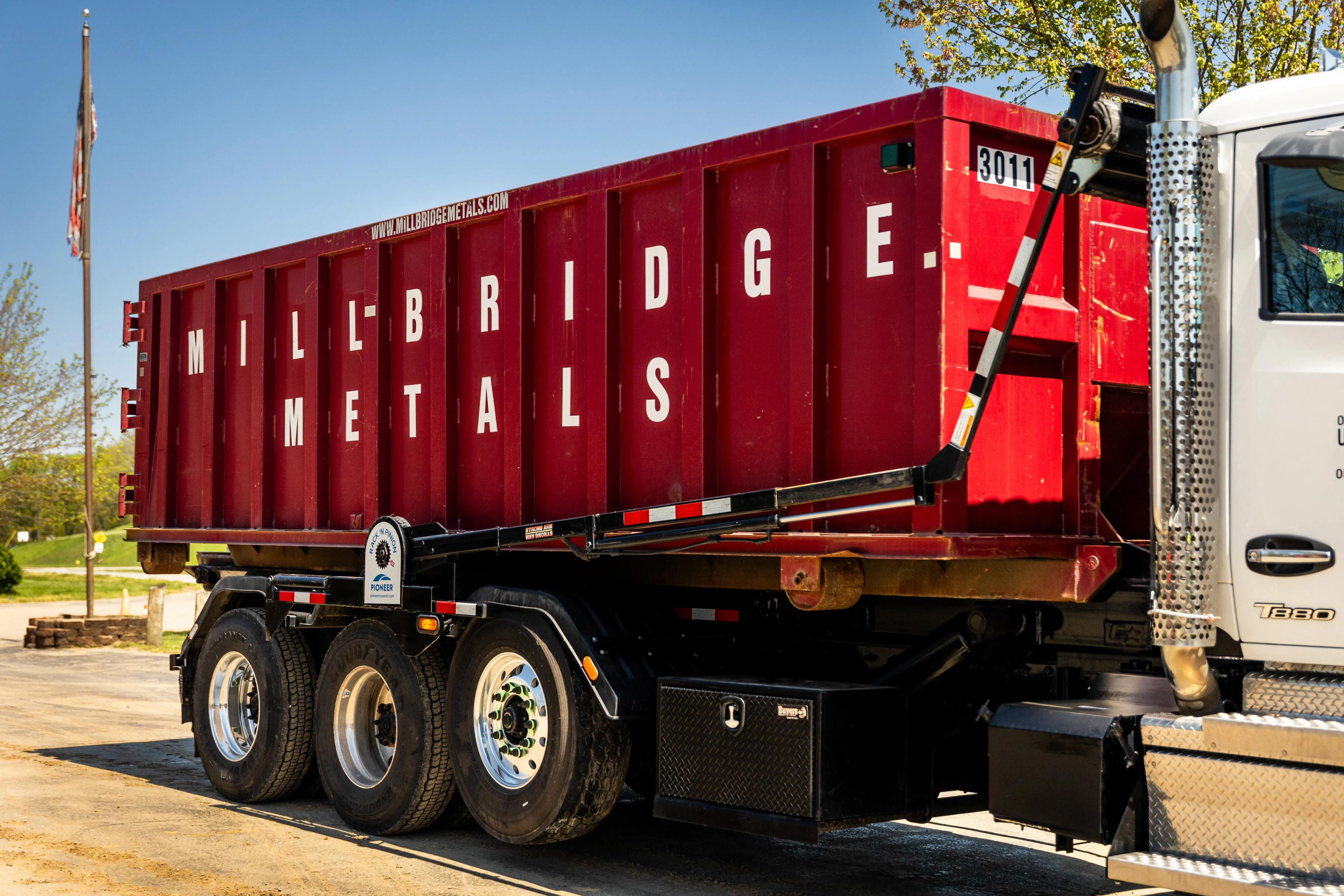
Manufacturing plants, construction companies, and industrial facilities in Cincinnati, OH and across the country generate enormous volumes of leftover materials every day. Without a structured plan in place, this waste can pile up, create compliance headaches, and drain resources that could otherwise be recaptured as revenue. That is why scrap management services in Cincinnati, OH have become an essential part of how forward-thinking businesses operate. Whether you run a machine shop, a fabrication facility, or oversee a large demolition project, understanding how professional scrap management works can help you make smarter decisions about your operations. If you are looking for a reliable partner, Millbridge Metals offers dedicated scrap management services designed for industrial and commercial businesses of all sizes.
What Is Scrap Management?
Scrap management is the organized process of collecting, sorting, processing, and recycling leftover or discarded materials generated during manufacturing, construction, or demolition activities. It goes well beyond simply hauling away debris. A well-designed scrap management program accounts for every phase of the material lifecycle, from the moment scrap is generated on the shop floor to the point at which it is delivered to a processing facility or steel mill. According to the Institute of Scrap Recycling Industries (ISRI), scrap recycling is a major industry in the United States, generating significant economic activity and supporting domestic manufacturing supply chains.
What Scrap Management Services Include
Professional scrap management services cover a broad range of activities that most businesses cannot efficiently handle on their own. Here is an overview of what a comprehensive program typically involves.
Collection and Container Services
The first component is collection infrastructure. Service providers supply rolloff containers, flatbed trailers, vans, and semi-trailers that are sized and positioned to match the volume and flow of scrap a facility produces. Indoor containers are available for machine shops and fabrication floors where scrap accumulates incrementally, while large rolloffs are better suited for construction sites and demolition projects where material volumes are higher and turnaround needs to happen faster.
Sorting and Material Identification
One of the most significant areas where businesses lose money is in the misidentification and misgrading of scrap. Mixing different grades of metal or failing to separate ferrous materials from nonferrous ones dramatically reduces the return value. A professional scrap management provider will implement sorting protocols on-site or at their facility to ensure that each material type is properly classified and handled.
Processing and Recycling
Once collected and sorted, scrap materials go through processing that may include shredding, baling, or shearing, depending on the material type and end market. Processing increases per-ton value and allows providers to route materials to the most favorable buyers. A provider with established mill relationships can access better pricing than a business attempting to sell scrap independently.
Reporting and Transparency
Reputable scrap management services include detailed tracking and reporting. Businesses receive documentation for every truckload, including material weights, grades, and settlement values. This level of transparency supports internal accounting, helps businesses track trends in scrap generation, and ensures that payments are accurate and timely.
Types of Materials Handled in Scrap Management
The range of materials that fall under professional scrap management is broader than many businesses realize. Understanding which materials your operation generates can help you structure a more effective program.
Ferrous Metals
Ferrous metals, those containing iron and steel, make up the largest category of industrial scrap by volume. This includes structural steel from construction and demolition, steel beams, cast iron machine components, sheet metal from fabrication, and steel punchings and turnings from machining operations. These materials are the primary feedstock for electric arc furnaces at steel mills, making them a consistent and in-demand commodity.
Nonferrous Metals
Nonferrous metals such as copper, aluminum, brass, stainless steel, and nickel alloys carry significantly higher per-ton values than ferrous scrap. Manufacturers of electrical components, HVAC equipment, plumbing fixtures, and automotive parts commonly generate nonferrous scrap. Because these materials are more valuable, proper identification and segregation is especially important. Mixing nonferrous scrap into a ferrous load results in a substantial loss of potential revenue.
Industrial and Manufacturing Scrap
This category includes byproducts generated during normal production, such as metal shavings and turnings from CNC machining, offcuts from stamping and forming operations, rejected parts and production runs, and worn tooling and dies. Industrial scrap tends to be generated on a recurring and predictable schedule, making it ideal for managed container programs where pickups happen on a regular cycle.
Demolition and Construction Scrap
Demolition projects produce large and varied loads of mixed materials. Structural steel, rebar, copper wiring, aluminum framing, and other metals must be extracted from debris and sorted before they can be sold. Effective management of demolition scrap requires experienced logistics coordination and site-level oversight to ensure that valuable materials are not inadvertently disposed of or contaminated.
The Environmental Protection Agency's guidelines on construction and demolition debris outline best practices for diverting these materials from landfills, emphasizing that metals are among the most recoverable and recyclable components of any demolition project.
Benefits of Professional Scrap Management for Businesses
Outsourcing scrap management to a professional provider creates value across multiple dimensions of a business.
Financial Returns
Every ton of scrap that leaves a facility represents potential revenue. Businesses that attempt to manage scrap informally often miss out on this return because they lack the industry relationships, grading expertise, and volume to access the best markets. A professional provider uses established connections with processors and mills to ensure that each material is sold at competitive rates. Over time, the cumulative difference between informal disposal and structured scrap management can be substantial.
Operational Efficiency
Scrap accumulation on the production floor creates safety hazards, slows workflows, and takes up valuable space. A managed program removes this clutter on a schedule that keeps operations running smoothly. Businesses no longer need to dedicate internal staff time to coordinating pickups or dealing with scrap buyers directly.
Sustainability Goals
Companies across industries are under increasing pressure from customers, investors, and regulators to demonstrate environmental responsibility. A formal scrap recycling program directly supports sustainability reporting by documenting the volume of material diverted from landfills and returned to productive use in the supply chain. According to research from the American Iron and Steel Institute, recycled steel conserves significant amounts of energy compared to producing steel from raw ore, making scrap recycling one of the most impactful sustainability initiatives a manufacturing business can adopt.
How to Evaluate a Scrap Management Provider
Not all scrap management services operate at the same level. When evaluating a potential partner, businesses should look for transparent settlement processes, access to a broad network of processors and mill buyers, dedicated project managers who stay accessible, and the logistical capacity to handle the container types and pickup schedules the operation requires. Experience across different material types matters as well. Those seeking scrap management services in Cincinnati, OH should look for partners with established regional and national networks that adapt to each client's unique needs.
Frequently Asked Questions
What is the difference between scrap management and simply hiring a scrap hauler?
A scrap hauler provides transportation from a facility to a buyer or processor, but typically does not offer sorting, grading, reporting, or pricing optimization. Scrap management services encompass all of these elements, ensuring that materials are identified correctly, routed to the best end market, and that the business receives detailed documentation and fair settlement for every load. The difference in financial returns between the two approaches can be significant, especially for facilities generating large volumes or a variety of material types.
How often should containers be picked up in a scrap management program?
Pickup frequency depends on the volume of scrap generated and the type of materials involved. High-volume manufacturers may need weekly or even more frequent pickups, while smaller operations might operate on a bi-weekly or monthly schedule. A good scrap management provider will analyze a facility's production flow and design a pickup schedule that prevents accumulation without requiring unnecessary trips. This schedule can typically be adjusted as production volumes change over time.
Can businesses with small volumes of scrap still benefit from professional scrap management?
Yes, although the structure of the program may look different. Smaller generators often benefit from shared container arrangements or scheduled pickups that are coordinated with other clients in the same area. Even at lower volumes, proper sorting and material identification can improve returns meaningfully, and the compliance and recordkeeping benefits apply regardless of volume.
What happens to scrap metal after it leaves the facility?
Depending on the material, scrap typically goes to a processor where it is sorted, prepared, and consolidated before being sold to a steel mill, nonferrous smelter, or other end consumer. At the mill level, the material is melted and reformed into new products such as structural steel, wire rod, sheet metal, or other manufactured goods. This cycle allows metals to be used repeatedly without significant loss of material properties, which is why recycling metal is so energy-efficient compared to producing it from raw ore.
How are businesses paid for their scrap under a managed program?
Payment structures vary by provider, but reputable scrap management services use transparent settlement processes tied to documented weights and commodity market prices at the time of the transaction. Some providers offer fixed pricing arrangements for certain materials, while others settle based on market rates at the time of delivery. Businesses should expect to receive detailed settlement reports for each load, and payments are typically made on an agreed schedule so cash flow remains predictable.