

How Much Does It Cost to Install a Boiler in a House? Home Boiler Installation Guide
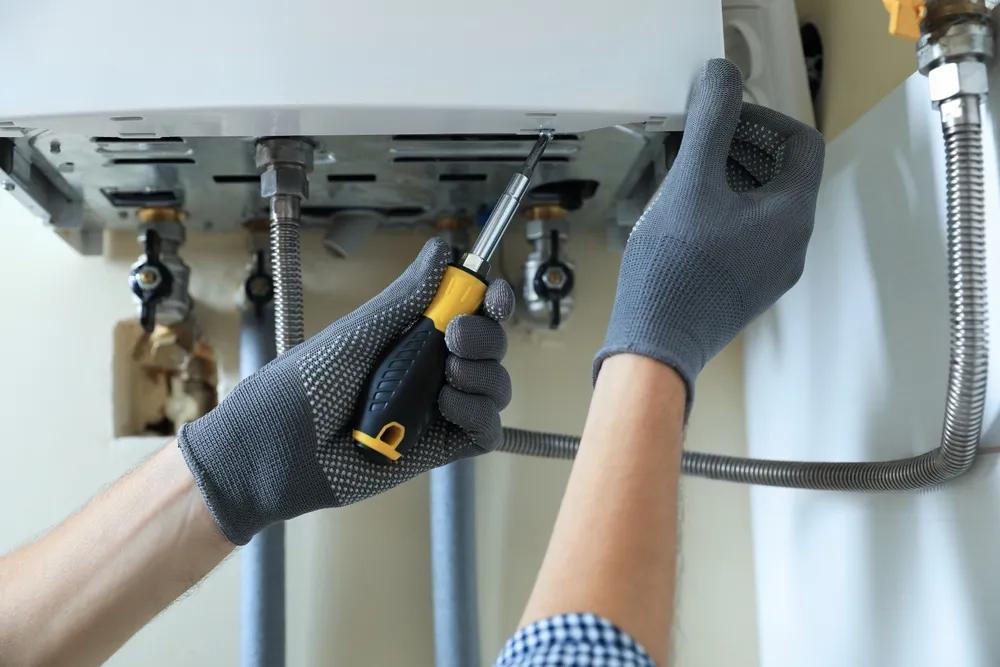
When homeowners in Cold Spring, Kentucky start thinking about upgrading their heating system, one of the first questions that comes up is the cost to install a boiler in a house in Cold Spring, Kentucky. Boilers are a reliable and energy-efficient way to heat a home, but understanding what goes into the installation process helps you plan and make smarter decisions. If you are considering residential boiler installation, knowing the key factors that influence the overall investment will save you from unexpected surprises and ensure your home stays warm all winter long.
Boiler systems have been used for home heating for well over a century, and modern versions are more efficient and quieter than ever before. Whether you are replacing an old boiler or installing one for the first time, this guide walks you through everything you need to know about the process, the variables that affect what you will pay, and why working with a licensed professional makes all the difference.
What Is a Residential Boiler and How Does It Work?
A boiler is a heating system that uses hot water or steam to distribute heat throughout a home. Unlike forced-air systems that push warm air through ducts, boilers circulate heated water through a network of pipes to radiators, baseboard heaters, or radiant floor systems. This method of heating is often considered more comfortable because it produces steady, even warmth without blowing dust or allergens through the air.
According to the U.S. Department of Energy, boilers are one of the most efficient home heating options available, particularly when paired with modern condensing technology. They work well in cold climates and can also be used to supply hot water to the home in some configurations.
Factors That Affect the Cost to Install a Boiler in a House
No two boiler installations are exactly alike. Several variables determine the final investment, and understanding these elements will help you set realistic expectations.
Type of Boiler System
The kind of boiler you choose has a significant impact on installation complexity and overall cost. Gas boilers, oil boilers, electric boilers, and combination boilers all have different requirements when it comes to fuel lines, venting, electrical connections, and existing infrastructure.
Size and Output Capacity
Boilers are sized based on the square footage of the home and its heating load. A boiler that is too small will struggle to keep the house warm, while one that is oversized will cycle on and off too frequently, wasting energy and wearing out components faster. A qualified technician will perform a load calculation to determine the right capacity for your specific home.
Labor and Installation Complexity
Labor is one of the more variable costs in any boiler installation. Homes that require new piping, updated electrical connections, or modifications to the venting system will naturally involve more work. Older homes, in particular, may need adjustments to bring the system up to current building codes before installation can proceed.
Location and Permits
Most municipalities require permits for boiler installation, and some areas have specific codes around fuel type, venting materials, and system placement. Permit fees vary by location, but they are an important and non-negotiable part of any legitimate installation.
Removal of the Old System
If you are replacing an existing boiler or converting from a different type of heating system, the removal and disposal of the old equipment adds to the overall scope of work. This is especially true if the old unit contains asbestos or other materials that require special handling.
Fuel Type and Availability
Natural gas boilers are the most common choice in areas where gas lines are readily available. In rural areas, propane or oil may be the primary fuel options. Each fuel type comes with its own infrastructure requirements, and switching fuels during a replacement project can add to the complexity of the installation.
Types of Home Boilers and Their Installation Considerations
Understanding the different types of boilers helps you choose the right system for your home and your budget.
Gas Boilers
Gas boilers are widely popular due to the relatively low cost of natural gas and the efficiency of modern gas-fired units. They require a connection to a gas supply line and a proper venting system to expel combustion gases safely. High-efficiency condensing gas boilers use a secondary heat exchanger to capture additional heat from exhaust gases, making them significantly more efficient than standard models.
Oil Boilers
Oil boilers are common in parts of the country where natural gas is not available. They require an oil storage tank on the property and regular fuel deliveries. While oil boilers can be very effective, fuel costs tend to fluctuate more than natural gas, which can affect long-term operating expenses.
Electric Boilers
Electric boilers do not require a flue or venting system, making them easier to install in certain situations. They are often chosen for smaller homes or additions where running gas lines is not practical. However, electricity tends to be a more expensive fuel source than gas or oil in most regions, which can increase operating costs over time.
Combination Boilers
Also known as combi boilers, these units provide both space heating and domestic hot water from a single compact unit. They eliminate the need for a separate water heater tank and are popular in homes with limited mechanical space. The installation of a combi boiler requires careful planning to ensure the unit can handle the simultaneous demand for heating and hot water.
Steam Boilers
Steam boilers are older technology and less common in new installations, but they are still found in many historic homes. They use steam rather than hot water to carry heat through the system and have unique maintenance requirements. Installing or replacing a steam boiler often involves working with older radiator systems that may need updating.
Why Professional Boiler Installation Matters
Choosing to work with a licensed HVAC professional for your boiler installation is not just about convenience. It is about safety, efficiency, and protecting your investment for years to come.
Safety First
Boilers operate under pressure and involve combustible fuels or high-voltage electricity. Improper installation can lead to carbon monoxide leaks, gas leaks, or system failures that pose serious risks to your household. A licensed installer knows how to handle these systems safely and will ensure all connections are properly sealed and tested before commissioning the unit.
Code Compliance
Professional installers are familiar with local building codes and permit requirements. Working with a licensed contractor ensures your system is installed to code, which matters not only for safety but also for your homeowners insurance and future property sales. An unpermitted installation can create headaches down the road if discovered during a home inspection.
Optimal Efficiency
A properly sized and correctly installed boiler runs more efficiently than one that was rushed or poorly matched to the home. Professionals perform load calculations, balance the distribution system, and calibrate controls to ensure the boiler operates at peak performance. This directly affects your energy bills for the lifetime of the system.
System Longevity
Boilers that are installed correctly and maintained regularly can last between 15 and 30 years. Poor installation practices can shorten the lifespan of even a high-quality unit and lead to costly repairs. Investing in professional installation from the start pays dividends over the long run.
Warranty Protection
Most boiler manufacturers require professional installation to validate the warranty. Attempting a DIY installation or hiring an unlicensed contractor may void the warranty, leaving you without coverage if a defect arises.
Preparing for Your Boiler Installation
Before installation day, schedule a consultation with a qualified HVAC contractor who can assess your home, recommend the right system, and provide a written estimate. Clear the area around the installation site so technicians have room to work, and keep pets and children away from the work area.
It is also a good idea to have your existing distribution system inspected. Old or corroded pipes, leaky radiators, or an outdated thermostat can undermine the performance of even a brand-new boiler, so addressing these issues before or during installation is worthwhile.
Conclusion
Installing a boiler in your home is a significant investment that pays off in comfort, efficiency, and long-term reliability. The cost to install a boiler in a house depends on the type of system, your home's size, local labor rates, and the complexity of the installation. By understanding what drives these costs, homeowners can make informed decisions and budget accordingly.
Working with a licensed HVAC company is the best way to ensure your boiler is installed safely and correctly the first time. If you are ready to take the next step, Any Weather HVAC serves homeowners with expert residential boiler solutions designed to keep your home comfortable through every season.
Frequently Asked Questions
How long does it take to install a residential boiler?
The timeline depends on the complexity of the project. A straightforward replacement in a home with a compatible distribution system can often be completed in a single day. Installations that require new piping, fuel line connections, or significant modifications may take two to three days or longer. Your contractor should provide a realistic timeline during the initial consultation.
Is a boiler better than a furnace for home heating?
Both are effective heating systems, but they work differently. Boilers distribute heat through water, which many homeowners find more comfortable and consistent than forced air, and they do not circulate dust or allergens. Furnaces heat a space more quickly and integrate more easily with central air conditioning. The best choice depends on your home's existing infrastructure, your climate, and your personal preferences.
What maintenance does a boiler require after installation?
Annual professional inspections are strongly recommended and should include checking pressure, inspecting the heat exchanger, bleeding radiators if needed, testing safety controls, and verifying the flue is clear. Homeowners should also monitor the pressure gauge periodically and watch for unusual sounds or changes in heating performance, which can signal that service is needed.
Can I install a boiler myself to save money?
Boiler installation is not a suitable DIY project for most homeowners. It involves gas or oil lines, electrical connections, pressurized water systems, and complex venting. Most jurisdictions require permits and the work must be performed by a licensed contractor. Attempting installation without the proper credentials can void the equipment warranty, violate local codes, and create serious safety hazards.
How do I know what size boiler my home needs?
Boiler sizing is determined through a Manual J heat load calculation, which accounts for your home's square footage, insulation levels, window quality, ceiling heights, and local climate. A correctly sized boiler runs efficiently without short-cycling and delivers consistent comfort. An HVAC professional will perform this calculation and recommend a unit with the right output capacity for your home.