

Vinyl Siding vs. Fiber Cement: Which Material Is Right for Your Cincinnati Home?
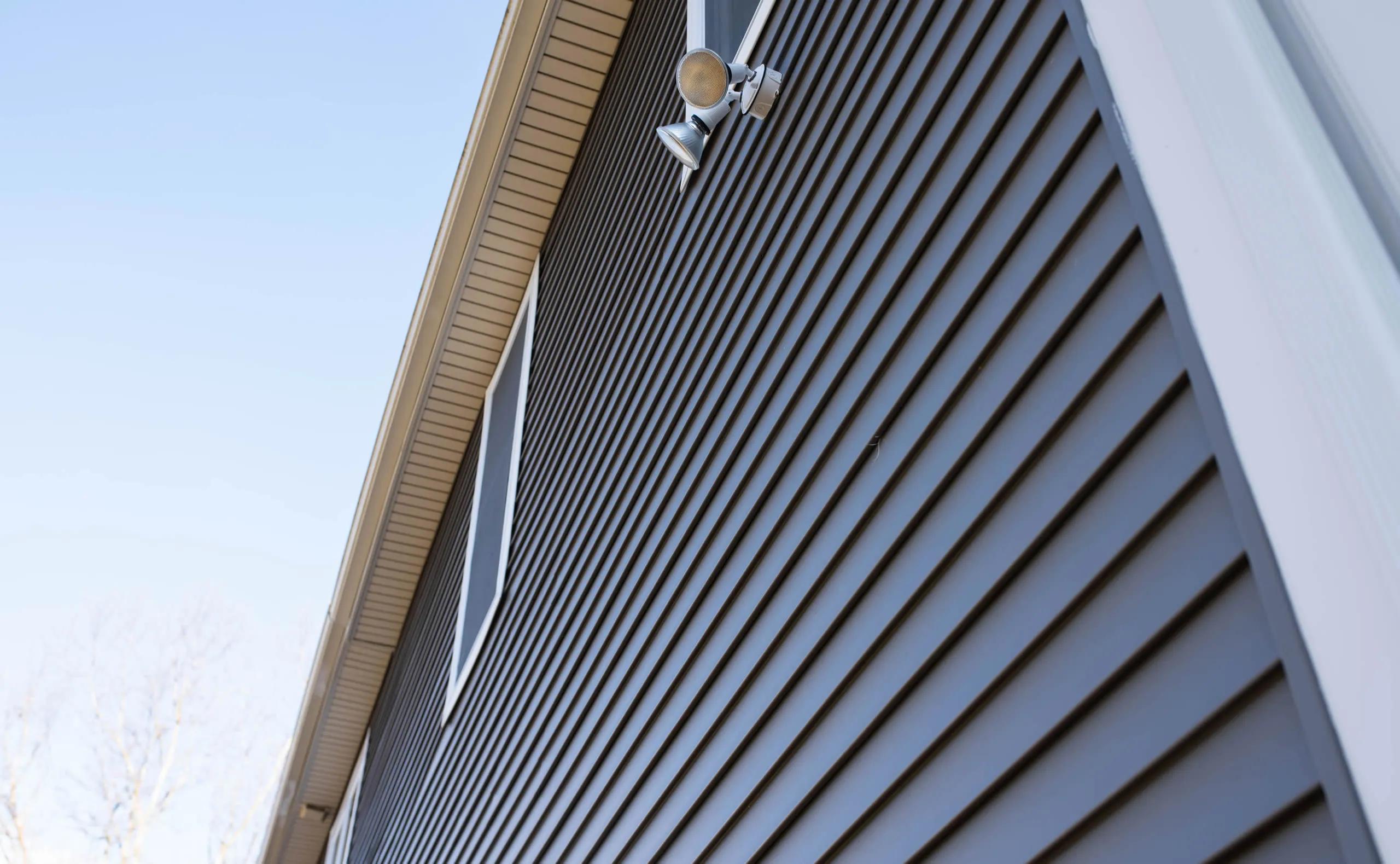
Vinyl Siding vs. Fiber Cement
Cincinnati homeowners face a real decision when it comes to choosing exterior cladding. Between humid summers that push past 85°F, winter lows that dip below 20°F, and the occasional ice storm rolling through the Ohio River Valley, your siding has to work hard. If you are weighing vinyl siding vs fiber cement siding in Cincinnati, the choice comes down to budget, longevity, and how each material handles this region's weather. Whether you need a full replacement or targeted repairs, working with experienced pros for siding installation and repair keeps you from learning costly lessons the hard way.
This guide breaks down both materials side by side so you can pick the right fit for your home, your neighborhood, and your wallet.
How Vinyl and Fiber Cement Siding Are Made
Vinyl siding is extruded from polyvinyl chloride (PVC) resin mixed with UV stabilizers and color pigments. The color runs through the full panel thickness, so minor scratches blend in.
Fiber cement siding combines Portland cement, silica sand, water, and cellulose fibers compressed under high pressure into dense boards. The finished product can mimic wood grain, cedar shingles, or smooth lap profiles. Most fiber cement arrives either primed or factory-finished with a baked-on coating.
Lifespan and Long-Term Durability in Cincinnati's Climate
Lifespan is one of the biggest differences between these two materials, and it matters more in a climate like Greater Cincinnati's.
Vinyl siding lasts roughly 20 to 40 years under normal conditions, according to data compiled by Angi. In practice, Cincinnati's freeze-thaw cycles and summer UV exposure can shorten that window. Vinyl becomes brittle in extreme cold and can crack if struck by debris during winter storms. On the other end, prolonged heat and direct sun cause panels to warp or buckle, especially on south-facing walls.
Fiber cement siding lasts 30 to 50 years or more with proper maintenance. James Hardie, the largest fiber cement manufacturer, backs its products with a 30-year non-prorated warranty. The material does not expand and contract as much as vinyl under temperature swings. It holds its shape through the 60-degree temperature shifts that Cincinnati experiences between January and July.
For homeowners in neighborhoods like Hyde Park (45208), Anderson Township (45230), or West Chester (45069), where homes are expected to hold value for decades, fiber cement's longer service life often justifies its higher upfront cost.
Installed Cost: What Cincinnati Homeowners Can Expect
Budget drives many siding decisions. Here is how the two materials compare for a typical Cincinnati-area project.
Vinyl siding costs between $3 and $8 per square foot for materials, with installation adding another $2 to $5 per square foot. Total installed cost for a standard home runs roughly $16,000 to $18,000 nationally, though local labor rates in the Cincinnati metro can shift that range.
Fiber cement siding costs between $5 and $14 per square foot for materials. Installation runs higher because the product is heavy and requires specialized cutting tools that generate silica dust. A full fiber cement project on a similar home typically runs $19,000 to $22,000 or more.
The gap narrows when you factor in long-term costs. Vinyl may need full replacement in 25 years, while fiber cement can go 40 or more before major work is needed. According to Consumer Reports, the 2025 Cost vs. Value report from JLC found that fiber cement siding recoups about 114% of its cost at resale. Vinyl recoups about 97%. Both are strong returns, but fiber cement leads by a wide margin.
Weather Performance: Hail, Moisture, and Temperature Swings
Cincinnati averages about 45 inches of rain per year, summer humidity often exceeds 73%, and winters bring roughly 15 inches of snow. The Ohio River Valley also sees periodic hail and severe thunderstorms from spring through fall.
How Vinyl Handles Cincinnati Weather
Vinyl performs well against moisture. Rain, humidity, and snowmelt run off without causing rot in the panel itself. However, panels can pop loose in high winds, allowing water behind the cladding.
Vinyl struggles with impact and temperature extremes. Hail can dent or crack panels, and replacements are hard to color-match after years of UV fading. In cold snaps below zero, vinyl becomes rigid and prone to cracking from minor impact.
How Fiber Cement Handles Cincinnati Weather
Fiber cement resists impact far better than vinyl. Its dense composition absorbs hail strikes that would crack a vinyl panel. It is also noncombustible with a Class 1(A) fire rating.
Fiber cement does absorb some moisture, which is its main vulnerability. Proper installation with a moisture barrier and caulking at joints prevents water from getting trapped behind the boards. Repainting every 10 to 15 years refreshes the protective coating.
Temperature swings affect fiber cement less than vinyl. The material expands and contracts at a slower rate, reducing the risk of buckling or panel movement through Cincinnati's seasonal cycles.
Curb Appeal and Neighborhood Fit in Greater Cincinnati
Cincinnati has a wide mix of architectural styles. Victorian homes in Over-the-Rhine and Mount Adams demand a different look than ranch homes in Kenwood (45236) or newer construction in Mason (45040).
Fiber cement offers a clear advantage in realism. Deep-embossed textures replicate cedar siding, and factory finishes resist fading longer than vinyl. Fiber cement can also be field-painted in any custom color, giving homeowners in historic districts full design flexibility.
Vinyl has improved its aesthetics in recent years. Premium lines offer woodgrain textures that look convincing from a distance, and insulated vinyl options add rigidity that reduces the waviness seen on lower-grade panels. For suburban homes in West Chester, Blue Ash (45242), or Fairfield (45014), mid-grade vinyl delivers a clean look at a lower price.
Resale Value: What Cincinnati Buyers Expect
According to the 2024 Cost vs. Value Report, fiber cement siding replacement recoups about 88% of its cost nationally. Vinyl siding recoups roughly 72 to 74%.
In Cincinnati's housing market, buyers notice exterior quality. Homes in Indian Hill, Mariemont, and Montgomery tend to feature fiber cement or natural materials, and appraisers factor cladding type into their comparisons. In more price-sensitive markets, vinyl still performs well because buyers value low maintenance.
If you plan to sell within 5 to 10 years and want the strongest return, fiber cement is the safer bet. If you are upgrading a rental or working within a tight budget, vinyl delivers solid value.
Maintenance Requirements
Vinyl is low-maintenance by design. An annual wash with a garden hose and mild detergent removes dirt and mildew. No painting or sealing is needed. Damaged panels need full replacement, and color-matching older panels can be difficult after years of UV fading.
Fiber cement requires repainting every 10 to 15 years. Factory-finished products from James Hardie use baked-on ColorPlus Technology, which extends paint life. Annual inspections of caulk joints and touch-up of chipped areas keep moisture from reaching the substrate.
Energy Efficiency and Insulation
Standard vinyl siding has minimal thermal resistance on its own. Insulated vinyl, which bonds a foam backer to the panel, brings the R-value up to 2.0 to 4.0. This helps reduce cooling costs during Cincinnati's humid summers.
Fiber cement's density gives it slightly higher inherent thermal resistance than standard vinyl. When paired with continuous insulation behind the boards, fiber cement assemblies perform well in both heating and cooling seasons across the Greater Cincinnati area (ZIP codes 45201 through 45255).
Environmental Considerations
Fiber cement is made from cement, sand, and cellulose fibers, all abundant and partially recyclable. Production consumes significant energy, but the 40+ year lifespan offsets that footprint over time.
Vinyl siding is made from PVC, a petroleum-based plastic. Production releases volatile organic compounds, and vinyl is not biodegradable. Recycling infrastructure for PVC siding remains limited.
Conclusion
Choosing between vinyl siding and fiber cement for a Cincinnati home comes down to priorities. Vinyl delivers lower upfront cost, minimal maintenance, and solid weather resistance. Fiber cement offers longer lifespan, better impact resistance, higher resale value, and a premium look that fits Cincinnati's mix of historic and modern homes.
Cincinnati's humid summers, freezing winters, and seasonal storms put real demands on exterior cladding. Both materials handle these conditions when installed correctly. The right choice depends on how long you plan to stay, your upfront budget, and the look you want.
For homeowners ready to move forward, a professional assessment is the best first step. The team at Madewell Roofing and Exteriors in Cincinnati works with both vinyl and fiber cement and can help match the right product to your home.
Frequently Asked Questions
Is fiber cement siding worth the extra cost in Cincinnati?
For most Cincinnati homeowners who plan to stay in their home for 10 years or longer, yes. Fiber cement lasts 30 to 50+ years, handles freeze-thaw cycles better, and recoups more of its cost at resale. The 2025 Cost vs. Value data shows fiber cement returning about 114% of project cost, compared to 97% for vinyl.
Can vinyl siding handle Cincinnati's winter ice storms?
Vinyl resists moisture well, so ice and snow running off the surface is not a concern. The risk comes from impact. Flying debris or heavy ice can crack vinyl panels, especially when temperatures drop below freezing and the material becomes brittle. Homeowners in exposed areas near the river should factor this into their decision.
How often does fiber cement siding need repainting in Ohio?
Factory-finished fiber cement products typically hold their color for 10 to 15 years before repainting is needed. Field-painted fiber cement may need a fresh coat sooner, depending on sun exposure and paint quality. South-facing walls in Cincinnati tend to fade faster due to afternoon UV exposure.
Which siding material is better for older homes in Over-the-Rhine or Mount Adams?
Fiber cement is usually the better fit for Cincinnati's historic neighborhoods. It can replicate the look of original wood cladding with deep woodgrain textures and custom paint colors. Many local preservation guidelines accept fiber cement as an appropriate replacement material where original wood siding has deteriorated.
Does new siding increase home value in the Cincinnati market?
Yes. Both vinyl and fiber cement siding replacement rank among the top home improvement projects for return on investment. The 2024 Cost vs. Value Report found that fiber cement siding adds roughly $18,230 to resale value nationally, while vinyl adds about $13,957. In Greater Cincinnati's market, fresh siding paired with a well-maintained roof makes a strong first impression on buyers.